The first time you hear about the Lost City Trek—Ciudad Perdida—you probably imagine a mist-shrouded ruin tucked away like a treasure in the Sierra Nevada de Santa Marta. That mental image is not far from reality. This trek is a combination of jungle adventure, cultural encounter, and archaeological mystery. Unlike easier, more polished ruins that sit behind railings, Ciudad Perdida rewards effort: it asks for days of hiking through dense rainforest, multiple river crossings, and a climb up ancient stone terraces to reveal a circular plaza that has seen centuries of footsteps. If you like your travel with a side of sweat, stories, and soul, this is the Colombian trek that will stick to you long after you’ve washed your hiking boots.
Here’s the honest, detailed guide you wished you had before booking: history, logistics, a sample itinerary, what to pack, cultural etiquette, and practical tips for staying safe and responsible. I’ll walk you through what to expect day by day and how to prepare so the experience is as rich and smooth as possible. Whether you’re a seasoned trekker or a curious traveler who wants to step off the beaten path, this article unpacks everything you need to know about the Lost City Trek.
Why Ciudad Perdida Matters: History and Cultural Significance
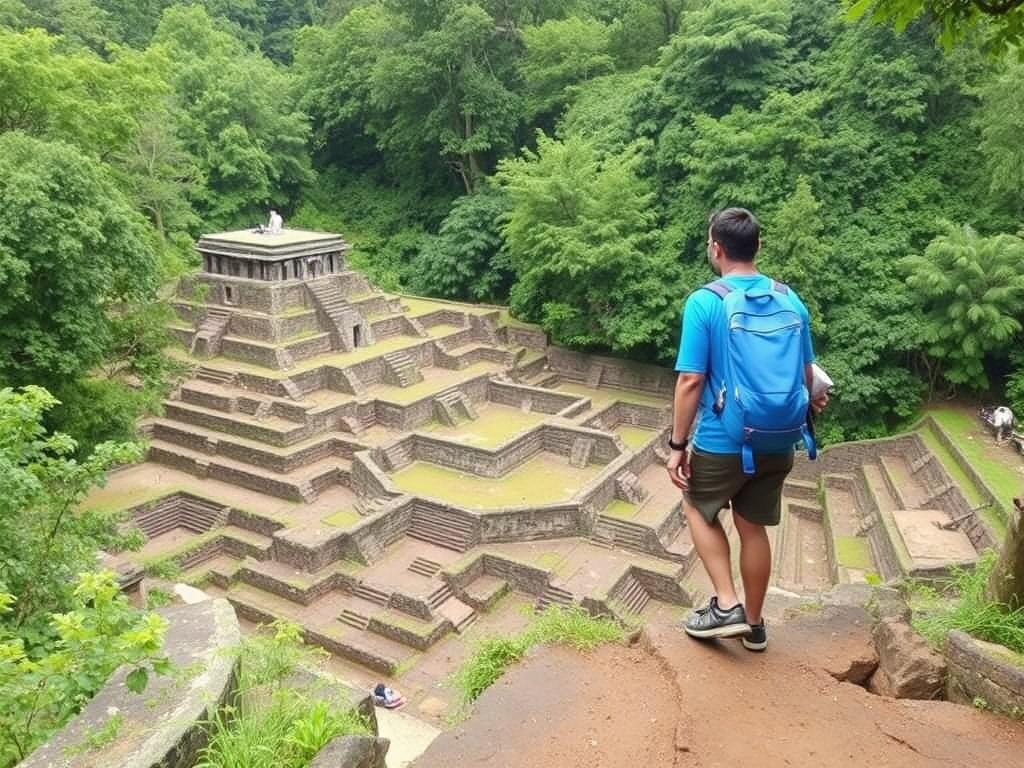
Ciudad Perdida isn’t just another archaeological site; it’s a living point of connection between modern visitors and the Indigenous peoples of the Sierra Nevada. The terraces and circular plazas you reach at the top date from roughly the 7th to 14th centuries, making them older than Peru’s famous Machu Picchu. Built by ancestors of today’s Kogi, Wiwa, Kankuamo, and Arhuaco peoples, the site was a center of commerce, ceremony, and social life long before colonial maps named its mountains.
After being hidden by dense forest for centuries, the existence of the site became more widely known in the 20th century—first to locals and unfortunately to looters. From the 1970s onward, archaeologists and Colombian authorities began preserving what they could, and in the 1990s the area gained more protection and regulated access. Importantly, indigenous communities still consider the site sacred. For many, visiting is not merely a tourist activity; it’s a responsibility to act respectfully in a place that is spiritually significant and culturally alive.
A living heritage
It’s easy to romanticize ruins as frozen relics, but Ciudad Perdida is part of a living cultural landscape. Indigenous guards and guides, traditional practices, and a continued relationship with the land mean that visitors will often see aspects of daily and spiritual life during their trek. This dynamic makes the experience richer but also places ethical demands on travelers: engage with curiosity and humility, and follow guidance from community authorities and licensed guides.
When to Go: Weather, Seasons, and Trail Conditions
The Sierra Nevada de Santa Marta sits near the Caribbean coast but rises steeply into cloud forest and tropical jungle. This creates a variety of microclimates and makes weather one of the main logistical considerations for your trek.
- Dry season (December to March): Generally considered the best time for trekking. Trails are less muddy, river crossings are easier, and nights are usually drier.
- Shoulder seasons (April–May and September–November): You can still trek, but expect more rain, muddier trails, and possibly higher river levels. Fewer tourists make these months attractive if you don’t mind wetter conditions.
- Wet season (June–August in some areas, though this can vary): Heaviest rains make river crossings more challenging and the trail more slippery. Some operators reduce trips or alter routes during intense rain periods.
A final practical note: weather in jungle mountains changes quickly. Pack and plan for warm, humid days and cooler evenings, and accept that at any time the trail can be muddy and wet.
Getting There and Permits: Practical Logistics
Most trekkers base themselves in Santa Marta, a coastal city with good transport connections, or in smaller towns like Taganga, Minca, or Palomino. From these starting points, organized tours usually include transport to the trailhead.
- Trailheads and villages: The trek typically begins in a riverside village at the foothills of the Sierra Nevada. Many operators drive 1.5–2.5 hours from Santa Marta to the trailhead.
- Guides: Officially, visitors must go with a licensed guide and many agencies work with local indigenous or community-based guides. Solo independent trekking is not permitted for the final stretch around the archaeological park.
- Permits and park fees: Entry is regulated. The cost is usually included in organized tour prices, but always confirm what’s covered—park entrance, guide license, insurance, and local community fees.
Book through reputable operators who demonstrate transparent pricing and strong community relationships. Read reviews and ask about how the operator supports local communities and the environment.
How far in advance to book
At peak times (December–February), book at least a few weeks ahead. On quieter months you might find short-notice availability, but good operators and dates fill quickly because group sizes are often limited to protect the site and ensure quality guiding.
How Hard Is the Trek? Physical Demands and Preparation
Let’s be blunt: the trek is physically demanding, but not extreme mountaineering. You’ll walk for several hours each day over muddy paths, up and down steep jungle steps, and across rivers. Expect:
- Hiking times of 4–6 hours per day on most days.
- Heavy humidity that makes effort feel harder than the horizontal distance suggests.
- Many stone terraces and stairs—locally cited as roughly 1,200 steps near the final section—plus stretches of uneven jungle trail.
- River crossings, which sometimes require removing shoes and wading (or stepping over rocks).
Preparation tips:
- Cardio training: walking, stair climbing, or cardio workouts for 4–6 weeks prior will make a big difference.
- Strength training: focus on legs, core, and stability—lunges, squats, planks.
- Practice with a loaded daypack: hike with the weight you’ll carry to get used to it.
- Footwear: break in waterproof, supportive hiking shoes well before the trip.
If you’re reasonably fit and prepared, you can do it. If you have severe mobility issues or medical conditions that make prolonged exertion risky, consult a doctor and consider alternatives.
A Typical Itinerary — A 4-Day Sample
There are variations—3, 4, 5, or even 6-day options—depending on pace and operator. Here’s a common 4-day outline that most travelers use:
| Day | Route | Highlights |
|---|---|---|
| Day 1 | Santa Marta → trailhead → hike to camp (3–4 hours) | Cross rivers, jungle paths, first night in hammocks or tents, meet local guides |
| Day 2 | Hike deeper into the Sierra (4–6 hours) | Dense jungle, wildlife, smaller archaeological sites, night in camp |
| Day 3 | Final ascent to Ciudad Perdida and return to nearby camp (4–6 hours) | Visit terraces and plazas, guided explanation, views, descend to camp |
| Day 4 | Return hike to trailhead → transfer to Santa Marta | Final river crossings, cultural goodbye, transport to town |
Many visitors find the morning of Day 3—when you reach the site—the emotional peak. Spend time with your guide and, if indigenous representatives are present, observe ceremonies or learn about their perspective (always follow their direction about photography and behavior).
Packing List: Essentials and Nice-to-Haves
Packing smart makes the trek more pleasant. Weight matters—operators usually transport large bags separately—so keep your daypack light but complete.
| Category | Items |
|---|---|
| Clothing | Quick-dry shirts and pants, lightweight long sleeves, rain jacket, hat, bandana |
| Footwear | Comfortable hiking shoes with grip, quick-dry sandals for river crossings |
| Gear | Daypack (30–40 L), dry sacks or zip-locks, headlamp with extra batteries, trekking poles |
| Health | Insect repellent, sunscreen, basic first-aid kit, any personal meds, anti-diarrheal |
| Documents & Money | ID/passport copy, cash (small bills) for tips and souvenirs |
| Extras | Small towel, reusable water bottle, biodegradable soap, camera, journal |
Important notes:
- Water: Operators provide boiled or filtered water; bring a refillable bottle and purification tablets if you want backup.
- Electronics: Power is minimal on the trail. Bring a power bank if you need charged devices.
- Packing weights: Keep what you carry comfortable for several hours of hiking each day.
What You’ll Eat and Where You’ll Sleep
You won’t be staying in hostels along the route. Nights are typically in community-run camps either in tents, cabins, or hammocks with mosquito nets. Meals are basic but nourishing: rice, protein (fish, chicken), pasta, fruit, coffee, and local produce. Guides and local cooks are experienced feeding trekkers with energy-dense meals.
- Vegetarian or dietary needs: Inform your operator in advance; many can accommodate reasonable dietary requirements.
- Water and snacks: Pack energy bars or trail mix for mid-hike snacks and always carry a personal water bottle.
Sleeping arrangements can be rustic. If you’re used to camping in the outdoors, you’ll be comfortable; if you prefer urban comforts, brace for simpler nights.
On the Trail: Daily Experience, Wildlife and Sights
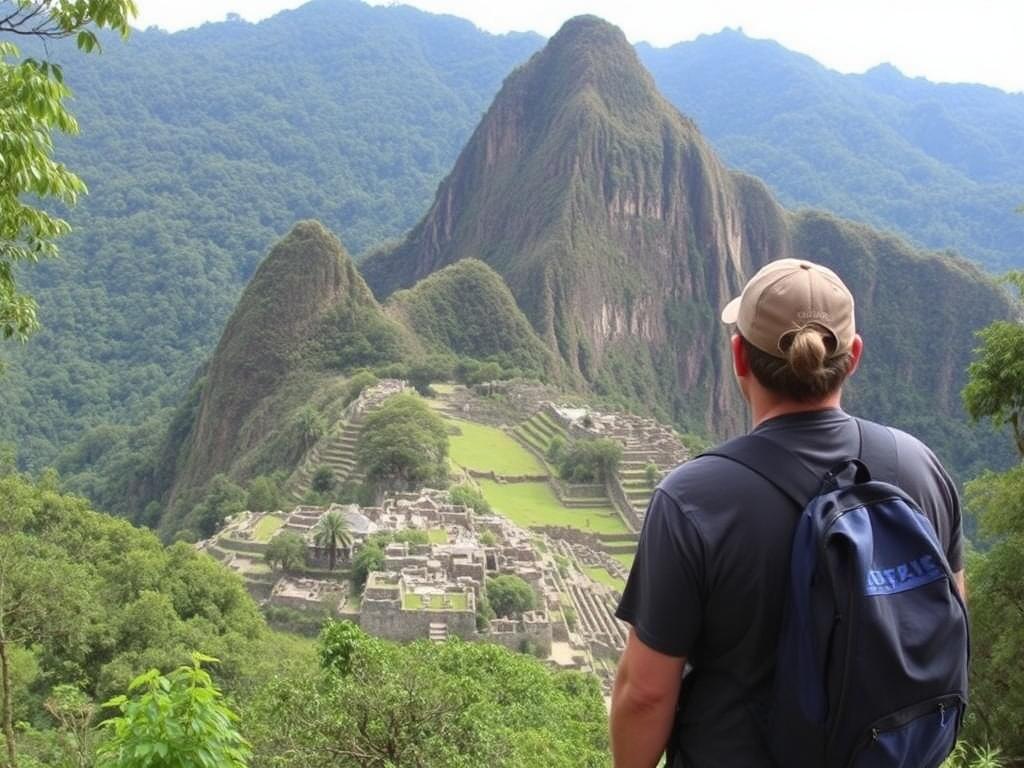
The trek moves through vibrant ecosystems. Expect to see dense tropical foliage, towering trees, orchids, bromeliads, and a chorus of birds and insects. Guides often point out medicinal plants and explain traditional uses.
Wildlife sightings vary—monkeys, toucans, hummingbirds, and occasionally larger mammals are possibilities. The diversity is part of what makes the trek so enthralling: the jungle feels alive at every step.
- River crossings: These are charming and sometimes slippery. Guards and guides will manage group safety.
- Steps and terraces: The final approach includes many stone steps and terraces—take your time and enjoy this unique architecture.
- Archaeology on route: Smaller terraces and pottery shards appear along the path before the main site, showing the area’s historical breadth.
Conversations with guides and local members are often the highlight. Guides can unpack the site’s significance, tell stories passed down generations, and weave natural history into the narrative.
Photography and Respect: When to Shoot and When to Pause
The Lost City is photogenic. Morning light on mossy stones, jungle mists, and smiles around camp make for great images. But photography is not a right here—it’s a privilege that must be balanced with respect.
- Ask before photographing people, especially Indigenous elders or during ceremonies. Many communities restrict photos during spiritual events.
- Follow guide instructions at archaeological areas—some spots may be off-limits to preserve the site.
- Minimize drone use: drones can disturb wildlife and are often prohibited near indigenous sites. Always check with your operator.
A good rule: if a guide or community member says no, accept it. Often the best memories are those you later recall without a camera in your hand.
Costs and Who Benefits

Prices for a 4-day trek vary depending on the operator, level of comfort, and inclusions, but a typical range is roughly USD 250–450 per person. Cheaper options might cut corners; very expensive ones sometimes add unnecessary frills. What matters most is transparency—ensure the cost breakdown includes:
- Park entrance and archaeological site fees
- Licensed guide and local community fees
- Food and camp accommodation
- Transport to and from the trailhead
- Insurance and emergency support
Support operators that demonstrate clear collaboration with local communities: hiring local staff, paying fair wages, and contributing to conservation projects. Responsible tourism keeps the site protected and benefits the people who live there.
Safety, Health, and Emergency Preparedness
Safety on the trek is generally good when you use reputable operators and follow guide instructions. Still, you’re in remote jungle terrain, so a few precautions are sensible:
- Vaccinations: Check with a travel clinic about recommended vaccinations (tetanus, hepatitis A/B, typhoid, etc.). Malaria risk is lower in higher elevations but discuss mosquito-borne diseases with a professional.
- Altitude: Ciudad Perdida is not extremely high—roughly 1,000–1,200 meters—but the humidity makes exertion harder. Pace yourself and hydrate.
- Medical kit: Operators carry basic first-aid kits; you should bring personal medications and inform guides of any conditions.
- Emergency exits: Ask your operator about emergency plans: radio contact, evacuation routes, and nearest medical facilities.
Use common sense: wear proper footwear, take care on slick stones, and avoid risky shortcuts. If you feel unwell, speak up—guides are there for your safety.
Environmental and Cultural Responsibility
The Lost City sits in a delicate environment and in a place with living cultural heritage. Your choices matter.
- Stay on marked paths to reduce erosion and protect plants.
- Carry out non-biodegradable trash and use biodegradable soap responsibly.
- Respect local rules about ceremonies, photography, and sacred sites.
- Support local economies: buy crafts directly from artisans, tip porters and guides fairly, and choose operators that contribute to community projects.
Remember: a well-managed tourist visit can help preserve both ecology and culture. A careless one can be damaging.
Tips for a Better Trek: Tried-and-True Advice
- Pace yourself: The temptation to power through leads to fatigue; conserve energy for the final climb to the ruins.
- Layer clothing: mornings can be cooler, and afternoons humid and steamy; long sleeves protect against bugs and sun.
- Use trekking poles: They help with knee strain and balance during slippery descents.
- Pack light but smart: a heavy pack makes everything harder; prioritize essentials.
- Bring small bills: for tips, small purchases, and community donations.
- Charge before you go: power is sparse; a fully charged phone and power bank matter.
- Go with time to spare: avoid rushing travel days before or after the trek to reduce stress.
What You’ll Remember: Stories Beyond the Stones
The Lost City Trek isn’t just steps and GPS points. It’s the laughter around the camp stove, the quiet of dawn in the cloud forest, the taste of fresh fruit after a long day, and the stories told by people whose families have lived alongside this place for generations. You’ll remember the guide who taught you the names of plants, the way mist wrapped around a stone terrace, and the small moment of awe when the circular plaza first opens before your eyes.
These human elements—conversation, hospitality, and shared exertion—often transform the trek into something far richer than a mere checklist item.
Alternatives and Extensions
If you can’t or don’t want to do the full Lost City Trek, there are alternatives that still offer jungle and cultural experiences:
- Day trips and shorter hikes around Minca: easier walks, birdwatching, coffee farms.
- Visit Tayrona National Park: coastal hikes, beaches, and coastal ecosystems (but note it’s very different culturally and ecologically).
- Multi-day trips to Palomino or the Guajira Peninsula: surf, relax, and meet Wayúu communities.
If you finish the Lost City Trek and want to extend your trip, consider combining it with Tayrona, a seaside detour, or cultural visits to Santa Marta’s historic center to balance jungle exertion with some coastal relaxation.
Practical Q&A
How fit do I need to be?
You need good general fitness—ability to walk several hours on uneven terrain and climb many steps. Training and acclimatizing to humidity improve enjoyment.
Can families do it?
Older children who are used to hiking can, but it’s not a stroller-friendly adventure. Check with operators about age restrictions; many set minimum ages for safety.
Is it safe for solo travelers?
Yes, when booked with reputable operators. Solo travelers often join small groups for company and safety.
Can I camp alone near the site?
No—access to the archaeological site and surrounding areas is regulated, and camping alone is not permitted. Always go with licensed guides.
Are there toilets?
Basic facilities exist at camps and near the site, but don’t expect flush toilets everywhere—be prepared for rustic conditions and carry hand sanitizer.
Choosing the Right Operator
Your choice of tour operator shapes much of the experience. Look for:
- Clear cost breakdowns and what’s included.
- Evidence of working with local communities and fair employment practices.
- Small group sizes for a more meaningful experience and lower environmental impact.
- Good reviews about guides, safety, and food quality.
- Open communication about health, emergency plans, and cancellation policies.
A good operator will answer questions about cultural practices, show where fees go, and be transparent about risks and trip requirements.
Final Practical Checklist
| Before You Go | On the Trail | After the Trek |
|---|---|---|
| Book reputable operator | Pace yourself and hydrate | Reflect and respect cultural guidance |
| Check vaccinations and travel insurance | Listen to guides and follow rules | Share feedback with operator |
| Train with hikes and stairs | Use trekking poles and proper footwear | Consider supporting local projects |
| Pack smart—light and practical | Bring snacks and water bottle | Organize photos respectfully |
Conclusion
The Lost City Trek is a rare blend of physical challenge, cultural connection, and archaeological wonder—a journey that asks not just for stamina but for curiosity, respect, and openness. If you go prepared, choose responsible operators, and listen to local voices, the reward is more than a postcard photo: it’s a deeper appreciation for a living landscape and the people who carry its history. Take your time on the steps, share your food, listen to the stories, and you’ll return home with memories that travel far beyond the trail.