
The Panama Canal has a way of sneaking up in conversation and then refusing to let go. Mention it at a dinner table, in a shipping office, or in a classroom, and you’ll quickly find people bringing up everything from daring engineering feats to geopolitics and global trade. It is one of those human achievements that sits at the intersection of ambition, sweat, money, and modernity — a short strip of water that reshaped the world. In this article we’ll travel through time and across the locks to understand how the canal was built, how it works, why it matters economically, and what the future might hold for this indispensable shortcut. Expect history, hands-on engineering explanations, environmental considerations, economic analysis, and plain-talk storytelling that makes a huge subject feel approachable.
From the outset, the Panama Canal captured imaginations because it promised to make the world smaller. Before the canal, ships making the voyage between the Atlantic and Pacific oceans had to go all the way around South America — a long, dangerous detour. The canal transformed maritime travel and trade, sculpting new shipping lanes and stimulating economic integration across continents. But getting from idea to reality required more than imagination. It demanded bold engineering solutions, mass labor, huge sums of money, and the ability to manage disease, climate, and politics. The result is an infrastructure jewel that continues to evolve and generate global economic ripple effects every time a ship locks through from one ocean to the other.
A Short History: Vision, Failure, and Ultimate Success
The idea of cutting a waterway through Central America predates the 20th century. Explorers and engineers long recognized that a transoceanic canal would be strategically and economically valuable. The French engineer Ferdinand de Lesseps, the mind behind the Suez Canal, launched the first serious attempt in the 1880s. That effort failed catastrophically, not for lack of will but because of underestimated tropical disease, terrain, and engineering complexity. Thousands of lives and fortunes were lost, and the project collapsed.
The United States picked up the dream in 1904, after negotiating control of the Canal Zone and securing the rights to resume construction. Under American leadership, the work was reorganized, the technology scaled, and public health measures dramatically improved. Controlling malaria and yellow fever through mosquito control (thanks largely to the work of doctors like William Gorgas) turned out to be as critical as excavators and concrete. Between 1904 and 1914 a monumental workforce — Caribbean, European, and American laborers among them — dug, blasted, and built the locks and dams that would hold up the waterway. On August 15, 1914, the canal officially opened, changing maritime trade forever.
Key Milestones
| Date | Event |
|---|---|
| 1881–1889 | French attempt led by Ferdinand de Lesseps fails |
| 1904 | United States acquires rights to build and operate the canal |
| 1914 | Canal officially opens on August 15 |
| 1977 | Treaty signed for eventual Panamanian control |
| 1999 | Panama assumes full control of the canal |
| 2016 | Expansion with new locks completed and opened to traffic |
How the Canal Works: Locks, Lakes, and Water Management
At first glance the Panama Canal seems simple: cut a channel through Panama, let water flow, ships go through. But simplicity is deceptive. The canal is not sea-level; it takes advantage of elevated terrain and a man-made system of lakes and locks. Ships enter a lock chamber, water is either added or drained to raise or lower the vessel to the level of the next segment of the canal, and the ship moves on. The system is elegant because it uses gravity and large volumes of freshwater to manage the differences in elevation between the oceans and the continental divide.
Gatun Lake, created by damming the Chagres River, is a central element. This huge freshwater reservoir supplies the water needed for each lockage and functions as an inland navigation channel through the isthmus. The original locks — Gatun Locks on the Atlantic side and Miraflores and Pedro Miguel on the Pacific side — are a work of mechanical and civil engineering, combining giant steel gates and lock chambers the size of football fields. The canal’s operation is a carefully choreographed dance: pilots, tugboats, line handlers, and a control system coordinate ship movements to maximize throughput and safety.
Panamax and Neopanamax: Size Matters
The canal defined shipping standards. For most of the 20th century, ships were designed to “Panamax” specifications — the largest size that could fit through the original locks. These dimensions shaped shipbuilding and trade patterns globally. In 2016, a massive expansion project opened new, larger locks that fostered the rise of “Neopanamax” ships, enabling much larger cargo volumes to pass through and reshaping economic calculations for carriers and shippers.
| Type | Approximate Maximum Length | Approximate Maximum Beam (Width) | Approximate Maximum Draft |
|---|---|---|---|
| Panamax | 294 m (964 ft) | 32.3 m (106 ft) | 12.0 m (39.5 ft) |
| Neopanamax | 366 m (1,200 ft) | 49 m (161 ft) | 15.2 m (50 ft) |
The 2016 Expansion: Why It Happened and What Changed
As global trade volumes grew, the canal’s capacity constraints became apparent. Shipping companies pursued economies of scale by building bigger ships to reduce per-unit transport costs. The original canal simply couldn’t accommodate the largest new container vessels. So, Panama undertook one of the largest infrastructure expansions in its history: adding a new set of locks, widening and deepening existing channels, and modernizing the water management system.
The expansion project, completed in 2016, brought three key changes. First, the new locks allowed larger Neopanamax vessels to transit, boosting the volume of cargo each passage can carry. Second, water-saving basins were integrated into the new locks to recycle a portion of the water used during lockages, an important innovation given the freshwater constraints. Third, the expansion improved scheduling flexibility and reduced waiting times in peak periods. For many shippers the expansion was a game-changer: some routes that were previously uneconomical via Panama suddenly became attractive alternatives to longer voyages.
Water Use and the Water-Saving Basins
Water is the canal’s lifeblood, and the expansion recognized this by introducing water-saving basins that capture and reuse water from lock operations. Instead of losing all lock water to the oceans, a significant fraction is recycled to reduce the strain on Gatun Lake and the watershed. These basins reflect a pragmatic understanding that infrastructure must be sustainable in resource terms — especially as climate variability affects rainfall patterns.
Economic Engine: How the Canal Drives Trade and Revenue
The canal is an economic engine in multiple senses: a revenue generator for Panama, a cost and time saver for shippers, and a structural driver of trade relationships. For Panama, canal tolls are a major source of national income. The Panama Canal Authority (Autoridad del Canal de Panamá, or ACP) sets tolls based on vessel type, cargo, and market conditions. Tolls are calibrated to reflect operational costs, strategic objectives, and global market signals; they rise and fall with demand.
For global trade, the canal shortens shipping routes dramatically. Consider a ship traveling from New York to San Francisco: via Panama it takes roughly 5-7 days, while the alternative route around Cape Horn or forced reloading is far longer and costlier. These time and fuel savings are not just pocket-sized; aggregated across millions of tons of cargo, they reshape supply-chain logistics and influence the location of manufacturing, distribution centers, and ports.
Main Economic Effects
- Shorter shipping routes reduce transit time and fuel consumption, lowering costs.
- Canal tolls provide substantial government revenue and support investments in infrastructure.
- Port cities and logistics hubs in both the Atlantic and Pacific benefit from transshipment and value-added services.
- Global shipping patterns adjust around canal capacities; when the canal’s capacity grows, routes and vessel designs shift.
- Ecosystem services, tourism, and related industries in Panama benefit indirectly from canal activity.
Who Pays and Who Benefits?
The costs are borne by the shipping companies, which, in turn, price freight accordingly. Benefits accrue across a wide spectrum: exporters and importers who save time and money; ports that see increased cargo flows; and local economies that provide crew services, bunkering, repairs, and logistics. The canal is often a deciding factor in route selection when carriers optimize for speed, reliability, and cost. When canal capacity is constrained, shippers may reroute via the Suez Canal or even shift goods onto air freight in urgent situations — examples of how canal operations have ripple effects across global transportation networks.
Geopolitical and Governance Aspects
The canal has always been more than engineering; it’s geopolitics. Control over the canal was a central U.S. strategic interest in the 20th century. In 1977, treaties were negotiated that set a timetable for Panama to assume control, and on December 31, 1999, Panama took full operational control of the canal. Today, the Panama Canal Authority, an autonomous Panamanian agency, manages the waterway, balancing commercial, environmental, and national interests.
That sovereign control brings responsibility and opportunity. Revenue streams from tolls can fund development, education, and infrastructure. On the flip side, a small, single-nation bottleneck in a major global trade artery creates systemic risk. Panama must maintain the canal’s physical integrity, manage labor relations, and invest in upgrades while ensuring that the canal remains competitive in a changing global transport landscape.
Strategic Competition and Alternatives
Other routes compete with and complement the Panama Canal. The Suez Canal is the alternative between Europe and Asia; the Arctic’s seasonal Northern Sea Route is emerging as ice melts; and land-based options like the overland China-Europe corridors are gaining traction. Each route has trade-offs in cost, speed, and reliability. Panama’s strategic advantage is its central location and mature infrastructure, but competition and changing trade patterns keep the canal under constant pressure to adapt.
Environmental and Social Impacts: Trade-offs of a Big Project
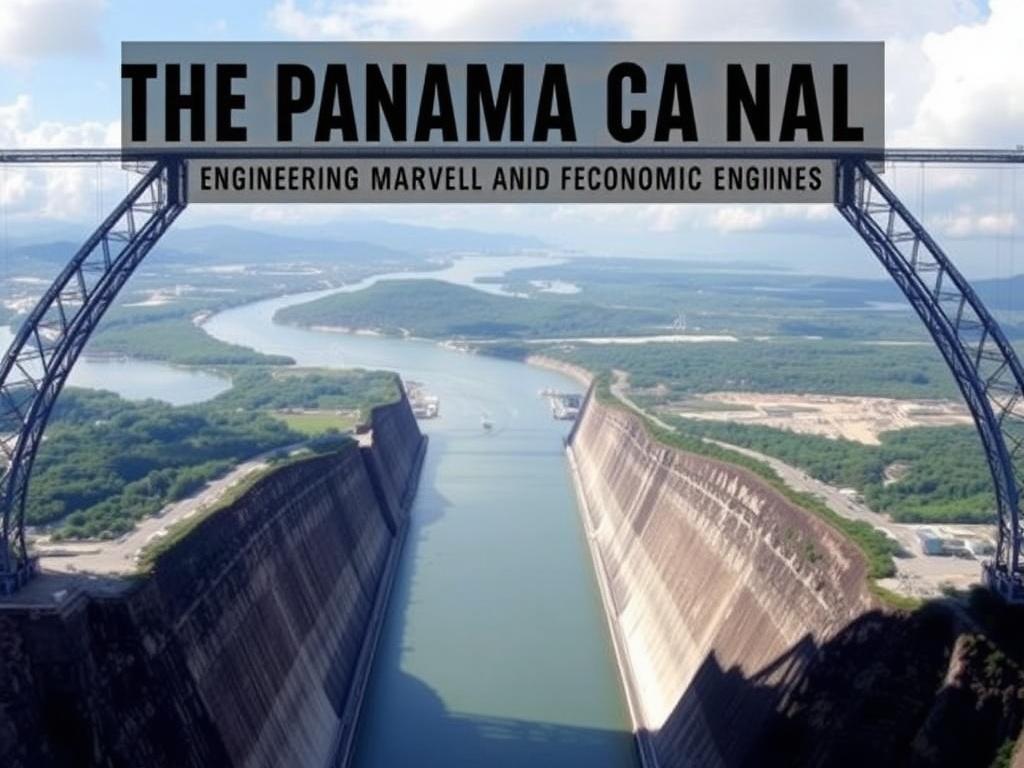
The canal’s construction and operation have profound environmental footprints. Building Gatun Lake flooded large areas of tropical forest, displacing communities and ecosystems while creating a freshwater habitat that reshaped local biodiversity. Deforestation, changes in hydrology, and the introduction of invasive species have had long-term ecological consequences. The canal also consumes substantial freshwater, which becomes more challenging under drought conditions or changing precipitation patterns.
Socially, the canal created jobs and spurred economic development, but it also raised issues related to displacement, labor rights, and equity. Indigenous communities and local populations saw their livelihoods shift dramatically as the canal region became a global transit corridor. Balancing economic gain with environmental stewardship and social justice remains an ongoing challenge.
Sustainability Measures and Environmental Stewardship
In recent decades the Panama Canal Authority has emphasized environmental management: reforestation projects, watershed protection, and regulation of invasive species. The 2016 expansion’s water-saving basins were a practical innovation. Still, long-term sustainability hinges on adaptive management of the watershed, cooperation with local communities, and international engagement on invasive species and emissions. The canal is both a local environmental concern and a global commons issue because changes to canal operations affect shipping emissions and trade flows worldwide.
Operational Challenges: Congestion, Weather, and Maintenance
Running a canal is like running a small city on water. Scheduling, maintenance, and dealing with weather are constant concerns. Heavy rains can fill reservoirs; droughts can constrain transits. Routine maintenance — dredging, lock repairs, electrical and mechanical systems upkeep — requires meticulous planning to avoid major disruptions. In peak seasons or during extraordinary events (like a global shipping surge or a pandemic), bottlenecks can form, affecting global supply chains.
The canal uses advanced traffic management systems and real-time coordination with global carriers to manage flow. Reservation systems, priority transits, and dynamic tolling are tools to balance demand. Still, unexpected breakdowns or extreme weather can produce cascading delays that reveal how interdependent modern trade systems are.
Technology and Automation
Technology plays a growing role. Modern navigation systems, tug and line technologies, and predictive scheduling algorithms help optimize throughput. While the canal retains a strong human element — trained pilots guide ships through narrow passages — automation is increasingly part of the mix to improve safety and efficiency. Investments in digital systems also allow the ACP to adjust operations in response to changing traffic patterns and environmental data.
Case Studies: How the Canal Shapes Specific Trades
– Containers: The expansion had a profound effect on container shipping, enabling larger vessels to call on U.S. East Coast ports after transiting the canal. This altered port investment strategies and distribution hubs, particularly in the southeastern United States, where ports expanded to handle larger ships.
– Liquefied Natural Gas (LNG): The canal’s capacity to handle larger vessels made it an attractive route for LNG shipments, particularly from the U.S. Gulf Coast to Asian markets. Time savings versus longer voyages around South America translate into cost advantages for energy shippers.
– Grain and Bulk Commodities: For grain exporters in the Americas, the canal is a vital artery to markets across the globe. Timing and pricing are affected by canal congestion, demonstrating how a regional infrastructure asset can affect commodity markets worldwide.
Economic Numbers and Metrics to Watch
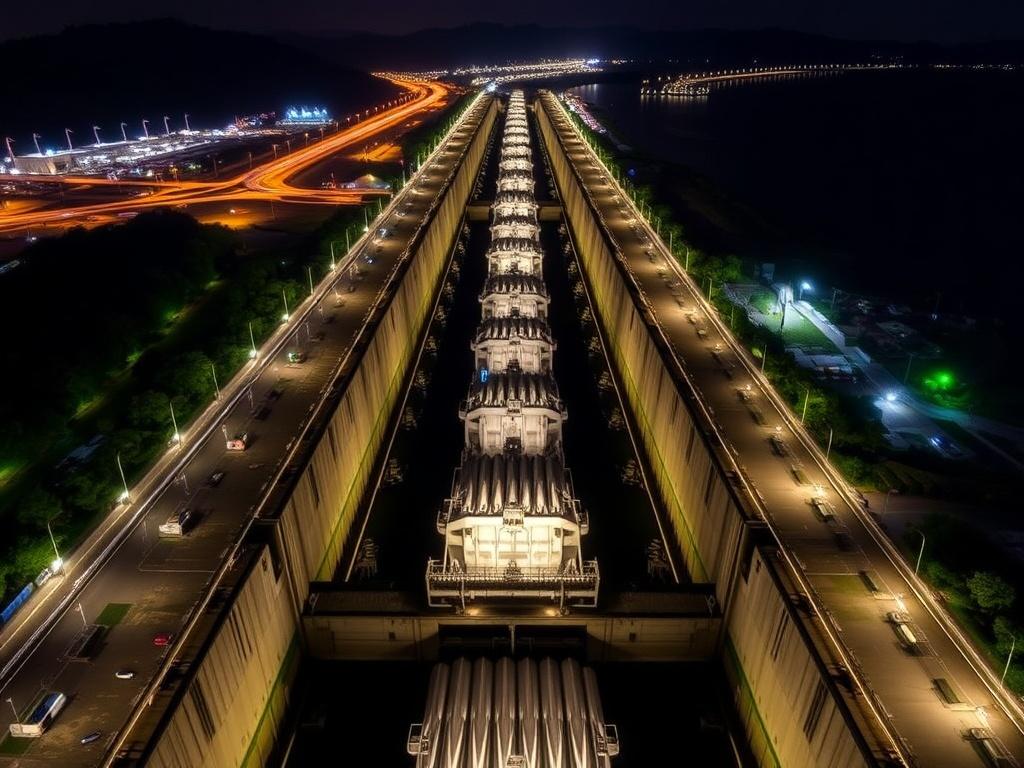
There are several key metrics that analysts watch to gauge the canal’s health and global importance: annual transits (number of ships), total tonnage, toll revenue, average wait times, and the composition of traffic by vessel type (containers, LNG carriers, bulkers, tankers). Changes in these metrics reveal shifts in global trade, regional economic cycles, and the canal’s competitive position relative to alternatives.
While annual figures fluctuate, the canal remains one of Panama’s top economic assets and a significant influencer of maritime economics. Revenues fund national projects and canal reinvestment, and the canal’s pricing policies can influence global shipping strategies.
Table: Metrics to Monitor
| Metric | Why It Matters |
|---|---|
| Annual Transits | Shows usage and demand; affects revenue and congestion |
| Tolls Revenue | Direct financial benefit to Panama and signal of canal profitability |
| Average Wait Times | Indicator of operational efficiency and congestion |
| Share of Neopanamax Traffic | Reflects shipbuilding trends and effectiveness of expansion |
| Freshwater Levels | Essential for operations; affected by seasonal rains and climate |
Future Risks and Opportunities
Looking forward, the Panama Canal faces a blend of risks and opportunities. Climate change introduces hydrological uncertainty: shifts in rainfall patterns could reduce available freshwater, increasing the operational difficulty and costs of maintaining lock cycles. Competing routes and technologies — larger ships choosing alternate paths, the Northern Sea Route, or overland logistics corridors — could shift traffic away. On the flip side, continued globalization, regional manufacturing trends, and adaptive infrastructure investments could secure the canal’s relevance for decades.
Opportunities lie in smarter water management, non-traditional services (like digital logistics platforms), and expanding canal-linked economic zones. Panama can leverage canal revenues to diversify the economy, strengthen climate resilience in the watershed, and promote sustainable tourism and science-centered initiatives that build public support for long-term stewardship.
Scenarios to Consider
- High-demand scenario: Continued trade growth boosts toll revenues but requires further capacity and workforce investments.
- Climate-constrained scenario: Reduced freshwater forces stricter transit limits, higher water-saving measures, and potential pricing shifts.
- Competitive-shift scenario: Major carriers adopt alternative routes, prompting Panama to innovate with pricing and service offerings.
- Technological-leap scenario: Automation and digital platforms streamline transits and logistics services, improving throughput without major physical expansion.
What the Canal Means for Everyday People
It’s easy to think of the Panama Canal as a technical asset that only matters to sailors or logistics managers. But its influence slices into everyday life: the cost of goods on shelves, the availability of certain items, and even the energy market are affected. Faster, cheaper shipping can lower consumer prices and increase product variety. Conversely, canal congestion or price spikes can contribute to inflationary pressure on goods that travel between oceans.
At a local level in Panama, the canal is a source of jobs and national identity. Canal tourism — from observation points to museums — makes it part of the cultural fabric. Internationally, the canal stands as a symbol of human ingenuity and the high stakes of infrastructure in a globalized economy.
How to Experience the Canal
- Visit Miraflores Visitor Center to watch lockages up close and explore the museum exhibits.
- Take a partial transit cruise to feel the lock lift and see the engineering in action.
- Observe from Gatun Lake lodges or guided tours that provide scenic and historical context.
Lessons from the Panama Canal
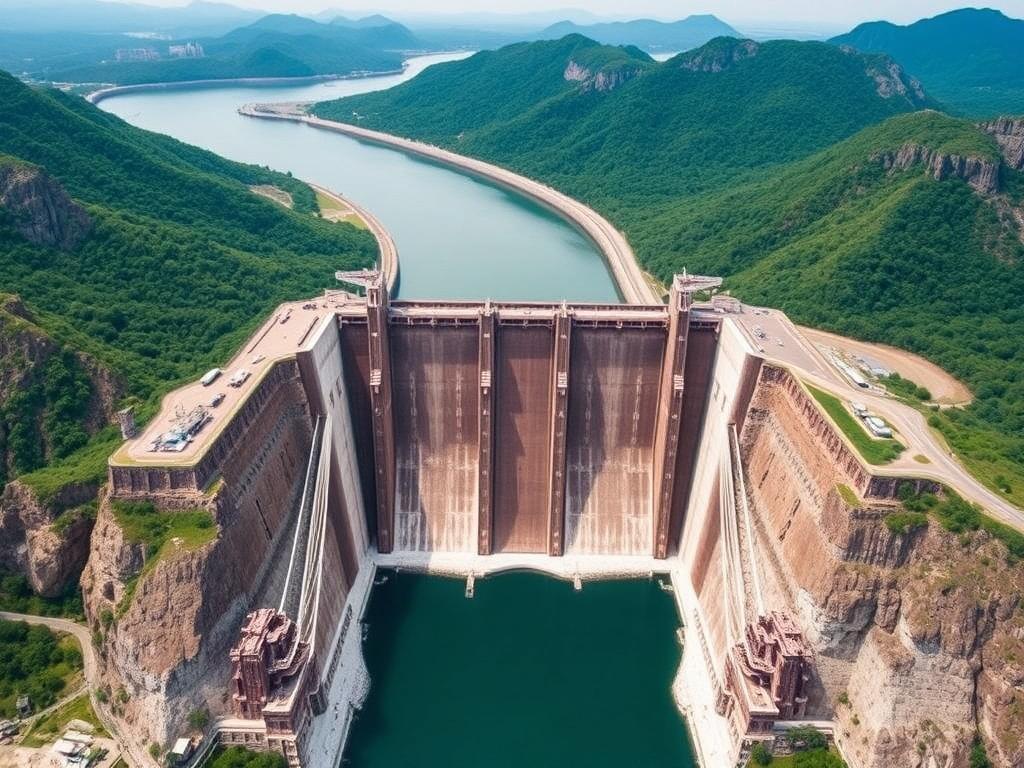
Several lessons emerge from the canal’s century-plus of operation. First, infrastructure projects must combine technical mastery with public health, governance, and environmental management. Second, adaptability matters: the canal’s 2016 expansion is proof that even world-class infrastructure must evolve with trade and technology. Third, long-term stewardship requires balancing revenue generation with social and ecological responsibilities. Finally, the Panama Canal teaches us that seemingly local investments can have outsized global impacts: a waterway a dozen miles long can alter international trade patterns and influence geopolitics.
Practical Takeaways for Planners and Policymakers
– Prioritize integrated planning that links engineering with environmental science and community engagement.
– Build flexibility into infrastructure through modular upgrades and operational innovations rather than assuming a one-time fix will be sufficient.
– Invest in watershed protection and climate adaptation early; the cost of retrofitting resilience is usually much higher.
– Use revenue streams strategically to diversify the national economy while reinvesting in core assets and human capital.
– Engage international stakeholders — from shipping lines to trading partners — to align expectations and improve system efficiency.
Frequently Asked Questions
Why was the Panama Canal so difficult to build?
Building the canal involved cutting through mountainous terrain, controlling massive flows of tropical water, and combating deadly diseases. Engineering technology needed to move mountains of earth and concrete, and public-health breakthroughs were essential to protect workers.
How long does a transit take?
A full transit typically takes 8–10 hours of lockage and channel transit time, but scheduling and wait times can extend the total time a ship spends in the canal system.
Who manages the canal now?
The Panama Canal Authority (ACP), an autonomous agency of the Panamanian government, manages and operates the canal.
Can the canal run out of water?
While the canal relies on freshwater from Gatun Lake and other reservoirs, droughts can constrain operations. The ACP monitors water levels closely and adjusts operations, reservations, and tolls as needed. Water-saving basins help mitigate shortages but do not eliminate hydrological risk.
Final Thoughts Before We Conclude
The Panama Canal is a remarkable blend of human ambition and practical engineering. It reminds us that grand projects can reshape the world but also that they require ongoing care, political savvy, and ecological awareness to remain relevant and resilient. Whether you’re a student of history, an engineer, a shipper, or an intrigued traveler, the canal offers lessons in scale, trade-offs, and the interconnectedness of our modern world.
Conclusion
The Panama Canal stands as a lasting testament to human ingenuity, a crucial artery of global trade and a source of national pride for Panama. Its history is one of bold dreams, tragic failures, and eventual triumphs, and its operation today combines old-world mechanics with modern management. As an economic engine the canal shortens routes, lowers costs, and shapes shipping choices; as an engineering marvel it continues to push the envelope with innovations like water-saving basins and larger locks. Looking ahead, the canal’s future depends on wise governance, climate resilience, and adaptive strategies that keep it competitive and sustainable. The canal is not just a shortcut between oceans — it is a mirror reflecting how we build, govern, and live with infrastructure in a globalized age.