
Lucha libre — the dazzling theatrics, the acrobatics in tight spandex, the thunder of the crowd, and above all, the mask. If you’ve ever watched a match, even for a few minutes, it hooks you in a way that’s hard to describe. It’s part sport, part soap opera, part ritual, and entirely Mexican in the sense that it blends history, identity, and spectacle like few other forms of public performance. In this article I want to take you on a long, winding tour through the tradition of lucha libre in Mexico: where it came from, how it evolved, why it matters, who the characters are, and what the future might look like. Whether you’re a longtime fan or you’re just curious about why masked wrestlers generate such devotion, there’s something here for you.
Lucha libre is not just a show on Saturday night; it’s woven into neighborhoods, into festivals, into family traditions. Grandparents remember buying cheap tickets to see their first match; kids grow up imitating jumps and shouting the names of their heroes; artists and filmmakers reuse the imagery of the mask as a symbol of rebellion, identity, and mystery. To understand lucha libre is to understand a thread of modern Mexican popular culture. Let’s begin at the beginning and then circle out to the many ways the tradition lives and breathes today.
Origins and Early History
The birth of lucha libre isn’t pinned to a single date. It slips between the lines of imported wrestling styles and local innovation. In the late 19th and early 20th centuries, various forms of grappling, catch-as-catch-can, and Greco-Roman exhibitions reached Mexico through circus performers and foreign athletes. By the 1930s and 1940s, promoters were organizing regular shows, and lucha libre began distinguishing itself with faster-paced matches and increasingly theatrical elements.
The mask — now the most iconic part of the spectacle — became a focal feature during these formative decades. Inspired partly by Mexican folk traditions and theatrical masks, and partly as a marketing tool to create personas, masks gave wrestlers an almost mythic status. Names like El Santo and Blue Demon emerged and transcended the ring, becoming cultural symbols through comic books, films, and advertising.
Lucha libre was also shaped by Mexico’s social and political climate. Post-revolutionary Mexico was forging a national identity that embraced popular culture alongside high art. Lucha libre fit neatly into that landscape: accessible, modern, and yet rooted in theatricality that spoke to folk traditions.
The Golden Age: 1940s–1960s
During the so-called Golden Age, promoters like Salvador Lutteroth established major arenas and rivalries that became nationally famous. Television started broadcasting matches, and luchadores turned into household names. The narratives became richer: heroes (técnicos) and villains (rudos) squared off in long-running feuds that dramatized moral choices and social tensions. This era also saw the expansion of match types, stipulations, and the ritualized drama of mask vs. mask encounters that settled rivalries and created instant legends.
Post-Golden Age Evolutions
In the 1970s and 1980s, lucha libre diversified. Smaller regional promotions popped up, women’s wrestling (lucha femenil) gained attention despite resistance, and the style itself absorbed influences from American and Japanese wrestling while keeping its distinct high-flying moves and quick pace. The masked hero motif continued to grow through movies and comics, making lucha wrestlers icons beyond the ring.
Why the Mask Matters
If you had to name one element that defines lucha libre, it would be the mask. Masks are more than costume; they’re identity, myth, and privacy wrapped into one. A lucha mask hides a face and reveals a character. It allows a wrestler to embody an archetype — the noble eagle, the sinister jaguar, the mysterious enigma — and it creates a space where the performer transforms into legend.
Masks function on several levels:
- Symbolic: Each design carries meaning—colors, animal motifs, and patterns often suggest personality traits or cultural references.
- Practical: Masks conceal identity and create mystique, which helps protect wrestlers’ private lives outside the ring.
- Ritualistic: Losing a mask in a bet match (máscara contra máscara) is one of the most dramatic moments in lucha culture, often revealing the wrestler’s true face and name to the public.
- Commercial: Masks are collectibles; fans buy replicas to show allegiance and to feel part of the myth.
Fans respect the mask’s sanctity. When a wrestler removes another’s mask in a match, it’s a deep violation that shocks audiences. When a veteran is finally unmasked in a high-stakes match, it can be a career-defining moment.
Máscara vs. Cabellera — The Stakes of Identity
The most intense matches are often mask vs. mask or mask vs. hair (cabellera). These Lucha de Apuestas (bet matches) put reputation on the line. Unlike championships, a lost mask cannot be reclaimed. Many legendary retirements, comebacks, and metamorphoses were shaped around such matches. The tension of living with an anonymous identity in public, and the irrevocable unmasking, creates powerful drama rooted in questions about honor and truth.
Stars, Legends, and Archetypes
Every culture with a performance tradition produces archetypal characters, and lucha libre is no exception. The técnico (face) is the virtuous athlete, the defender of the underdog. The rudo (heel) cheats, taunts, and embodies social frustrations. But beyond those roles, individual wrestlers become legends with distinct styles and mythic backstories.
| Legend | Era | Why They Matter |
|---|---|---|
| El Santo | 1940s–1980s | Movie star turned folk hero, embodied the masked avenger who protected the people and fought monsters. |
| Blue Demon | 1950s–1980s | Rival and sometimes partner to El Santo; his mask symbolized nobility and strength. |
| Mil Máscaras | 1960s–1990s | International star, brought lucha style to global audiences and inspired many mask designs. |
| Perro Aguayo | 1970s–1990s | Known for a fierce rudo persona and hard-hitting style; influenced later generations. |
Those four are only the tip of the iceberg. Countless regional stars and modern performers carry the tradition forward, each adding personal flair while honoring long-standing rituals.
Women in the Ring: Lucha Femenil
Women’s wrestling in Mexico has a complicated history—often marginalized but resilient. Lucha femenil developed its own fanbase, and in recent decades female performers have fought for visibility and respect. They bring athleticism, storytelling, and intense rivalries to the ring, and their matches are increasingly headline attractions. Icons such as La Torbellino and more contemporary figures have shown that lucha women are integral to the tradition’s vitality.
The Moves, the Style, and Athleticism
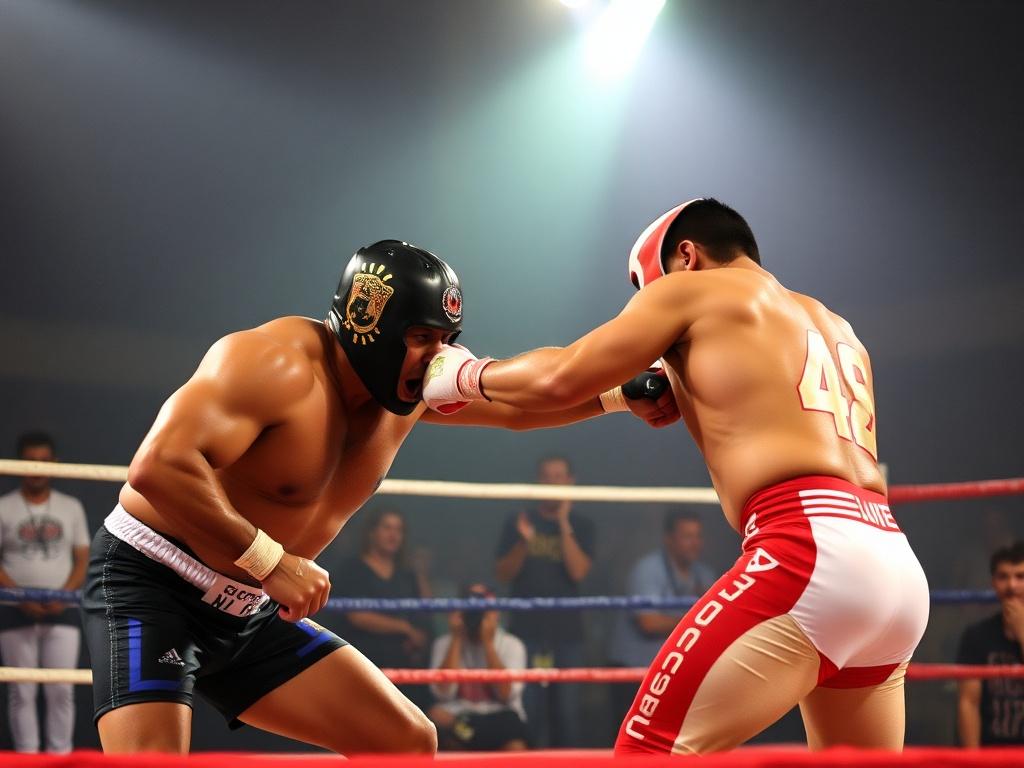
Watching lucha libre is a different sensory experience than watching purely technical or power-based wrestling. It’s quicker, more acrobatic, and choreographed to highlight momentum and spectacle. Aerobatic moves like planchas, tope suicidas, and hurricanranas showcase agility. At the same time, submission holds and mat work are used to create contrast and tension.
Here’s a short list of signature lucha moves:
- Hurricanrana — a headscissors takedown turned into a pin.
- Tope Suicida — a suicide dive through the ropes onto an opponent outside the ring.
- Plancha — body splash over the top rope to the outside.
- Piledriver variants — often used sparingly for dramatic effect.
- Arm drag sequences — quick exchanges that demonstrate agility and timing.
Skillful wrestlers combine aerial maneuvers with ring psychology: selling an injury, drawing heat from the crowd, and escalating toward a climactic finish. That blend of athleticism and dramaturgy is what keeps audiences on the edge of their seats.
Training and Schools
Becoming a luchador requires disciplined training. Many start very young, learning acrobatics, falls, and holds in local gyms and family-run schools. Traditional training emphasizes safety, ring awareness, and respect for the craft. Schools vary—some focus on high-flying technique, others on mat wrestling or character work. Apprenticeships often include time as a rudo or técnico in smaller venues before moving up to larger promotions.
Arenas, Promoters, and the Business of Lucha Libre
Promoters are the architects who create storylines, book matches, and cultivate stars. Arena México in Mexico City is known as the cathedral of lucha libre; it’s where promotion histories intersect and legends are made. But lucha is not confined to mega-arenas—smaller local venues and neighborhood shows keep the tradition accessible.
| Venue | City | Significance |
|---|---|---|
| Arena México | Mexico City | The premier venue for big events and historic matches. |
| Arena Coliseo | Mexico City | Historic venue where many classic matches occurred; intimate atmosphere. |
| Local arenas and plazas | Nationwide | Where regional wrestlers develop and local traditions thrive. |
Promotion companies like Consejo Mundial de Lucha Libre (CMLL) and Lucha Libre AAA Worldwide (AAA) have been central to organizing national tours, television deals, and merchandising. The business side includes TV contracts, licensing for masks and toys, and newer revenue streams like streaming and international partnerships. Like any live-entertainment business, it faces challenges: balancing tradition with modern tastes, dealing with safety issues, and creating sustainable income for performers.
Tickets, Fandom, and Ritual
Attending a match is ritualistic. Fans bring banners, wear masks, and chant. There’s a participatory culture—audiences cheer for high-flying feats and boo the rudos. Families often attend together, making match nights a social event. For many, the ritual of buying a mask and cheering for your favorite wrestler becomes a lifelong affection.
Lucha Libre in Film, Art, and Popular Culture
Lucha libre permeates Mexican cinema and visual arts. The 1950s and 1960s produced dozens of lucha films in which masked heroes like El Santo fought monsters, gangsters, and even aliens. Those films established a unique fusion of pulp action and melodrama that echoed the ring’s theatricality.
Artists have used lucha imagery to explore identity, resistance, and mobility. From street art to high-end gallery work, the mask symbolizes anonymity, empowerment, and social critique. Internationally, lucha aesthetics inspire filmmakers, designers, and musicians who appreciate its blend of tradition and kitsch.
Comics, Merchandise, and Crossovers
Comic books about luchadores have been popular for decades, extending storylines beyond the ring and turning wrestlers into serialized heroes. Today, merchandising remains a major financial lifeline: replica masks, action figures, posters, and apparel sell to tourists and devoted fans. Lucha’s visual language is easily adaptable, making it valuable in branding and popular media.
Social and Political Dimensions

Lucha libre operates in the realm of symbolic politics. The ring often mirrors social tensions: rudos can embody corruption, trickery, or the underclass’s frustrations, while técnicos can stand for justice and perseverance. Fans project social meaning onto matches—rivalries sometimes resonate with ethnic, class, or regional identities. The mask, too, can be a site of resistance: marginalized performers have used anonymity to challenge norms and speak more freely in public life.
Wrestlers themselves sometimes become community figures. They visit schools, attend charity events, and contribute to local identity. In some towns, the local luchador is as important as municipal leaders in representing a community’s pride.
Controversies and Criticisms
Lucha libre isn’t without controversy. Safety concerns surface due to risky moves and older wrestlers performing beyond their physical prime. There are also ongoing debates about pay, labor protections, and exploitation in the business model where promoters hold substantial power. Gender equity remains a fight; while women have made strides, inequalities persist in pay and opportunities. These tensions are part of the tradition’s ongoing evolution.
Lucha Libre Around the World
While deeply Mexican, lucha libre has influenced international wrestling styles. American promotions adopted high-flying elements and integrated masked personas. Japan embraces lucha techniques within its own strong-style wrestling, creating cross-cultural hybrids. Lucha festivals and independent promotions across Europe, the United States, and Latin America borrow heavily from Mexican traditions while adding local flavors.
The global spread helps preserve and reimagine the tradition. It introduces new audiences to the symbolism and athleticism, but it also raises questions about cultural ownership and authenticity. Are masks and moves being domesticated in contexts that overlook the cultural roots? These are ongoing conversations among fans and scholars.
Modern Crossovers and Collaborations
We now see crossover events where Mexican promotions collaborate with foreign companies. Wrestlers tour internationally, and festivals celebrate lucha outside Mexico, often combined with music, food, and art inspired by Mexican culture. These crossovers can boost incomes for performers and introduce the tradition to kids growing up in different countries.
What to Expect at a Live Show: A Practical Guide
If you’ve never been to a lucha libre match but want to go, here’s what to expect and how to enjoy it fully:
- Arrive early: Local shows are lively and smaller venues fill quickly.
- Bring cash: For tickets, masks, snacks, and the occasional souvenir.
- Join the crowd: Chants and cheers are part of the fun; don’t be shy.
- Respect the mask: Don’t try to unmask a wrestler or treat the ritual lightly.
- Watch the story: Matches often tell a story—pay attention to sequences and character work.
Attending a show is both civic ritual and entertainment—it’s best enjoyed with curiosity and openness.
Checklist Before You Go
| Item | Why It Matters |
|---|---|
| Replica mask | Shows your fandom and lets you participate visually in the spectacle. |
| Comfortable clothing | Some arenas are crowded, so comfort helps you enjoy the night. |
| Small bills/coins | Useful for concessions, vendors, and tipping performers at local shows. |
| Camera (if allowed) | Capture memories, but respect rules about flash photography and performers’ privacy. |
Safety, Ethics, and the Future
The future of lucha libre depends on balancing tradition with modern standards of safety and fairness. Many promotions are increasingly aware of the need for medical oversight, better pay structures, and protections for performers. There’s also a push to preserve cultural aspects—like the sacredness of the mask—while encouraging creative evolution.
Training programs are incorporating modern sports medicine; promos are exploring streaming deals to reach global audiences; and women’s divisions are more mainstream than decades ago. At the same time, older rituals—mask vs. mask matches, long-running feuds, and the communal feel of local arenas—remain central.
Innovation Within Tradition
Promoters face the task of making lucha libre relevant to younger audiences while staying true to the form. Innovations have included:
- Hybrid match styles that blend lucha with MMA or international wrestling techniques.
- Cross-promotional storytelling across media like comics, short films, and social media.
- New training academies that teach both traditional moves and modern conditioning.
These experiments point to a vibrant, adaptable tradition that can survive changing tastes while preserving its heart.
Lucha Libre as Cultural Memory
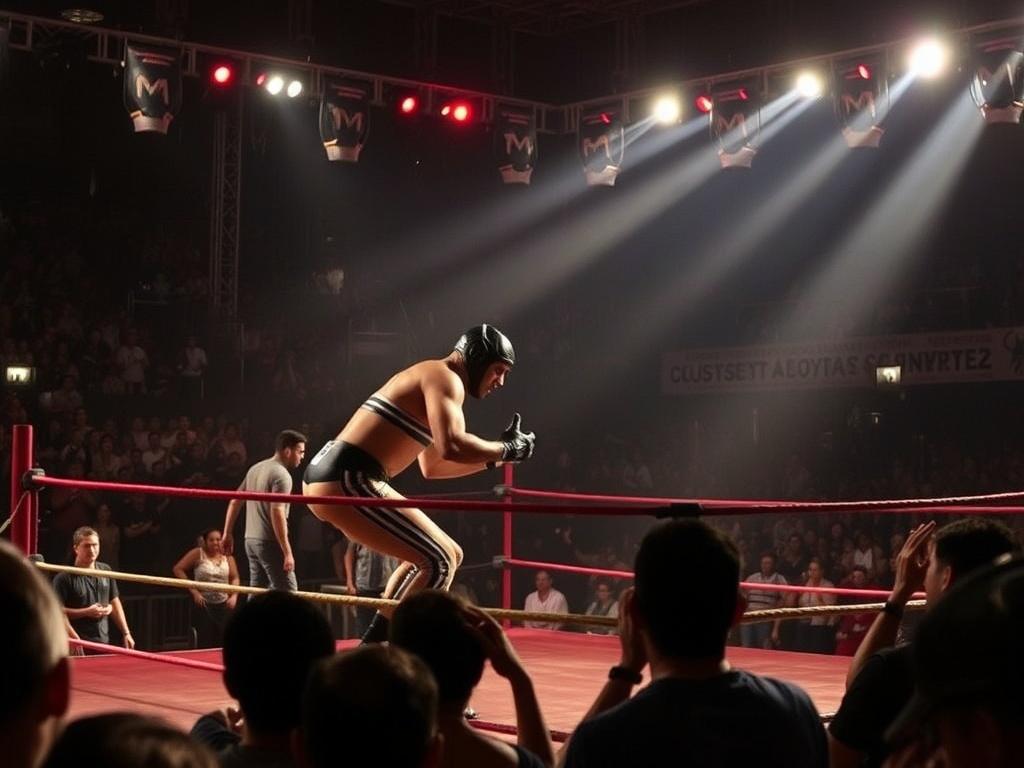
Lucha libre stores memory—of neighborhoods, of social changes, and of individual lives. A single mask can connect generations: a child wearing a grandfather’s replica mask at a show, a mural depicting a local champion, a film clip from a 1960s cinema screening. The tradition accumulates stories and meanings that become part of Mexico’s cultural memory. Even as styles change and global influences arrive, lucha remains a repository of emotion, resistance, and pride.
Stories Behind the Masks
Every wrestler’s path is personal—a family legacy in some cases, a second chance in others. Many luchadores started in poverty, used wrestling as a way to support families, and found community in the ring. Others found performance art as a way to express parts of themselves that ordinary life suppressed. These human stories are what give the spectacle its emotional core.
How Lucha Libre Connects to Broader Mexican Identity
Lucha libre’s resonance lies in how it ties together opposites: high and low culture, modernity and tradition, spectacle and ritual. It’s accessible—anyone can buy a cheap ticket—and it’s also symbolic, connecting to deeper ideas about identity and honor. The masked hero fighting injustice resonates in a society that has navigated colonial legacies, revolution, and rapid modernization. Lucha libre is playful and serious, comic and tragic, local and national all at once.
Key Takeaway
Lucha libre is more than entertainment. It’s a living tradition that speaks to Mexico’s history, its modern challenges, and its creative resilience. The mask is not just a costume; it’s a storytelling device that bridges the personal and the mythic. The tradition evolves through performers, promoters, fans, and the social context that shapes their stories.
Conclusion
Lucha libre in Mexico is a tapestry of color, noise, and meaning: a form of theater that uses physical risk to tell stories of honor, identity, and community. From humble neighborhood rings to the grand stage of Arena México, the tradition thrives on ritual—the mask, the feud, the climactic unmasking—and on human stories of perseverance and creativity. As it adapts to new audiences and technologies, lucha libre remains rooted in a cultural imagination that values spectacle as a means of community expression. Whether you come for the high-flying moves, the melodrama, the visual art of the mask, or the social history behind it, lucha libre offers a deep and joyful window into one thread of Mexico’s living culture.