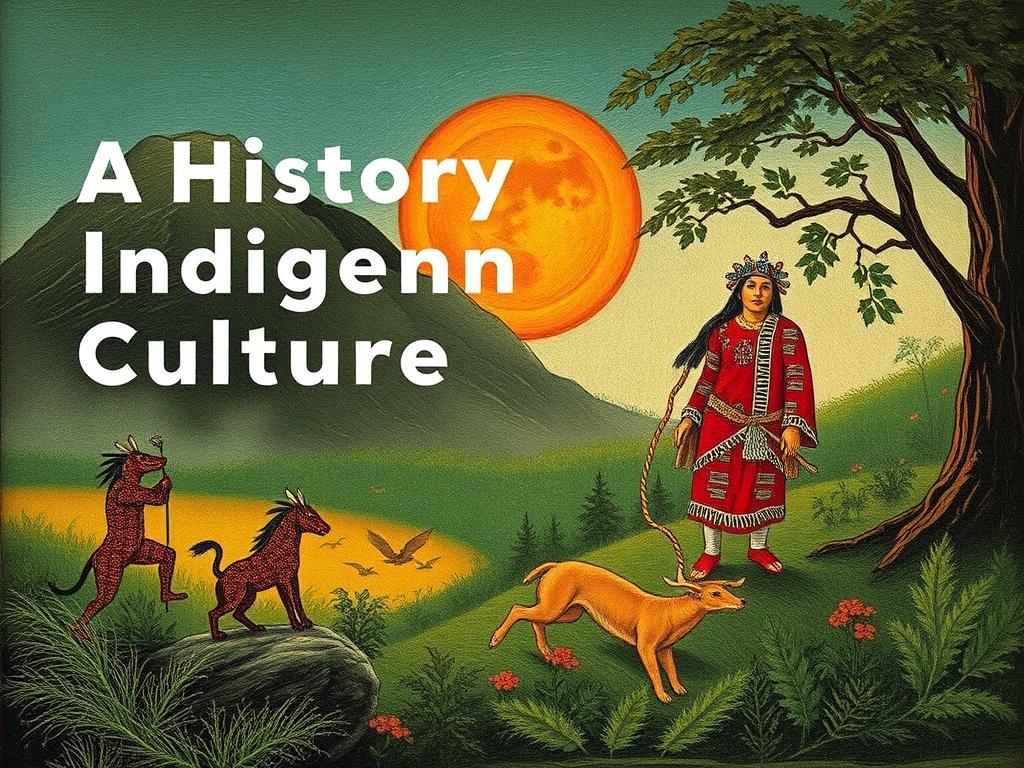
Indigenous cultures are the original threads in the tapestry of human history, woven long before modern borders and national stories took shape. When you begin to trace their histories, you find a world of deep knowledge, extraordinary adaptation, and a persistence of identity that often defies the most severe pressures. This article is an invitation to travel through time and space: to meet the people who shaped landscapes and languages, who nurtured ecosystems with sophisticated stewardship, and who, despite colonization, displacement, and modern challenges, continue to renew and reinvent their cultures. I’ll walk you through origins, encounters, struggles, and revival — pausing to listen to specific stories and to consider how resilience has been expressed in countless creative and determined ways.
As you read, imagine a map layered with stories rather than borders: riverine people who read the changing seasons, desert communities with oral maps of hidden water, mountain peoples whose calendars align with subtle shifts in plant life. These cultures developed not in isolation but in intense exchange with environments and neighboring groups. Many of the strategies that sustained indigenous peoples for millennia are still relevant today, whether for climate resilience, biodiversity conservation, or social cohesion. This is not a static museum view of indigenous life; it is a living, evolving history — sometimes painful, sometimes triumphant, always instructive.
The Deep Roots: Origins and Diversity
Human beings spread across continents in waves, and indigenous cultures developed locally over millennia. In the Americas, for example, archaeological evidence shows populations rising, falling, and flourishing long before European contact. In Australia, Indigenous Australians nurtured continuous cultural traditions for more than 60,000 years. In Africa, Asia, the Arctic, and the Pacific, indigenous groups developed languages, kinship systems, spiritualities, and economies that fit their environments perfectly.
One of the first things to appreciate is diversity. Indigenous cultures are not a single type; they vary immensely by geography, language family, social organization, and worldview. This diversity is a source of strength: different knowledge systems created multiple ways to respond to ecological change and social stresses. For people living close to the land, knowledge about weather patterns, soil, medicinal plants, and animal behavior was not abstract science but a woven part of daily life and ritual.
Languages and oral traditions
Languages carry history. Many indigenous languages encode relationships to place, intricate taxonomies of plants and animals, and long philosophical reflections on human responsibility. Oral traditions — stories, songs, chants — transmit legal principles, social histories, and ecological knowledge across generations. When languages are lost, unique ways of understanding the world vanish too, which is why language revitalization is central to cultural resilience.
Social structures and communal stewardship
In many indigenous societies, property and resource use were regulated through communal rules, seasonal sharing systems, and ceremonial obligations. These systems helped prevent overuse and ensured that knowledge about management was shared broadly. Resilience here is both social and ecological: the community provided social safety nets and distributed risk across households.
First Contacts and the Shock of Colonization
Contact with expanding empires and colonial powers marked a dramatic chapter for indigenous peoples. Early encounters ranged from cooperative exchange to violent conflict, and the long-term outcomes were often catastrophic. Epidemics introduced new diseases to immunologically naïve populations, leading to widespread demographic collapse. Land dispossession, forced relocations, assimilation policies, and cultural suppression followed in many places.
Yet it’s important to read these histories with nuance. Indigenous peoples did not simply suffer passively; they negotiated, resisted, adapted, and in some cases incorporated new technologies and goods on their own terms. The story of colonization is therefore a mixture of trauma and persistence, of imposed change and creative survival.
Policies of erasure
Across the world, colonial administrations enacted policies intended to erase indigenous identities: boarding schools in North America that banned native languages and customs, the Stolen Generations in Australia, and systems of legal exclusion that stripped land rights in Africa, Asia, and the Pacific. These policies caused profound intergenerational harm. Yet children who survived these systems often carried secret knowledge home, and elders continued to pass on stories and practices in spite of repression.
Resistance and survival
Resistance took many forms — armed struggle, legal challenges, spiritual revival, and everyday practices of retention like hidden song cycles or illicit use of native calendars. Resilience often meant blending old and new: adopting certain commodities or ideas while maintaining core cultural practices. That blend allowed many communities to navigate the harsh realities of colonial regimes while laying foundations for later revival.
Expressions of Resilience: Cultural, Social, and Political
Resilience is not a single act; it’s an ongoing set of strategies and attitudes. It includes the way traditions are adapted, how languages are kept alive, how land claims are fought in courts, and how communities reassert pride in identity. Importantly, resilience shows itself in creativity — in art, music, activism, and scholarship that speak across generations.
Language and education revitalization
Language programs, immersion schools, and digital tools for language learning have become powerful sites of cultural revival. Young people learning their ancestral tongue often report a stronger sense of identity and community connection. Education that centers indigenous epistemologies — the ways of knowing rooted in local knowledge — helps to reinforce cultural continuity and builds new leaders for contemporary challenges.
Legal strategies and land rights
Legal recognition of land and rights has been a key area where indigenous resilience has shown real gains. In many countries, indigenous nations pursued land claims, treaty enforcement, and recognition through national courts and international forums. While victories are uneven, some landmark rulings have returned land, recognized title, or established co-management arrangements for territories.
Table: Examples of Legal Milestones
| Region | Milestone | Significance |
|---|---|---|
| New Zealand | Waitangi Tribunal (est. 1975) | Investigates breaches of the Treaty of Waitangi and supports settlement processes |
| Canada | Recognition of Aboriginal title (Delgamuukw, Tsilhqot’in) | Affirms indigenous land rights and sets legal precedents for consultation |
| Australia | Mabo Decision (1992) | Rejected terra nullius and recognized native title |
| Bolivia | Plurinational State Constitution (2009) | Official recognition of indigenous governance and rights |
| International | UN Declaration on the Rights of Indigenous Peoples (2007) | Sets international standards for self-determination, land rights, and cultural protection |
Knowledge Systems: Science, Stewardship, and Spirituality
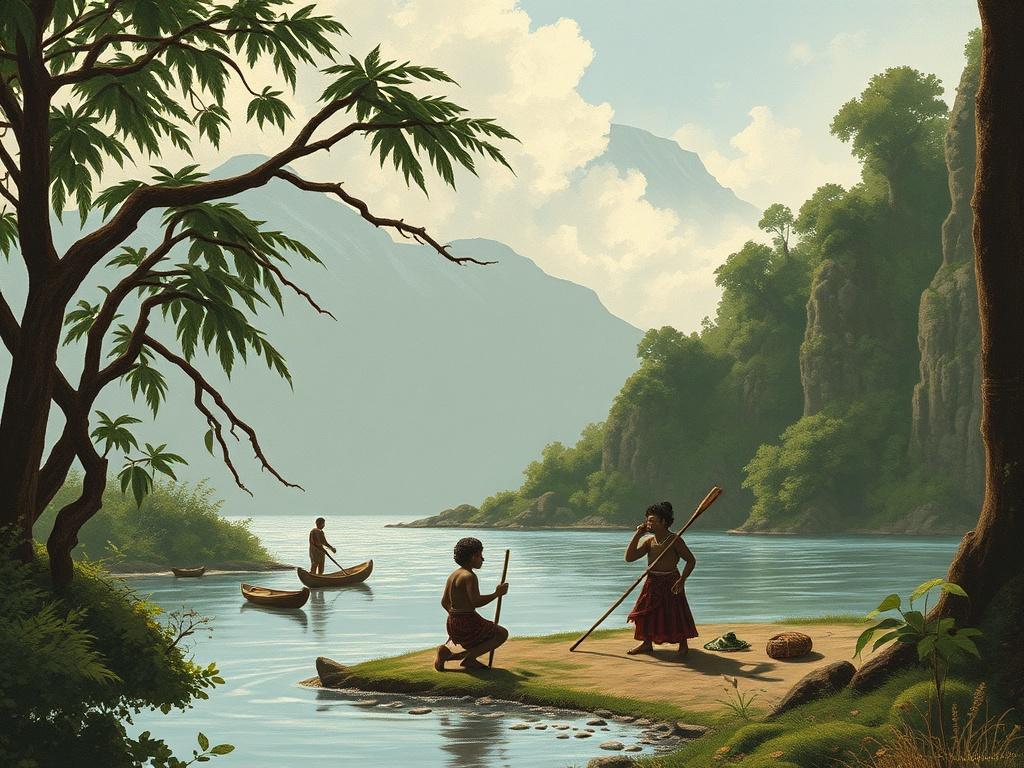
Indigenous knowledge systems are sophisticated, often integrating empirical observation with normative values and ritual practices. They provided detailed understandings of ecosystems, seasonal cycles, and resource management techniques like rotational agriculture, controlled burning, and polyculture planting. Today, many scientists and policymakers recognize the value of these systems — not only as cultural heritage but as essential contributions to climate adaptation and biodiversity conservation.
Fire management, fisheries, and agroforestry
In Australia, traditional fire regimes shaped ecosystems and reduced catastrophic bushfires by conducting regular, low-intensity burns in mosaic patterns. In the Pacific and parts of the Americas, indigenous fisheries management used closed seasons and tabu areas to ensure sustainable harvests. Agroforestry systems like the milpa in Mesoamerica or the chinampa gardens of the Basin of Mexico supported high biodiversity and soil fertility. These practices demonstrate a long-term perspective on resource use.
Spiritual frameworks and ecological ethics
Spiritual beliefs often encode ecological ethics: respect for elders, for non-human relatives, and for cycles of giving and reciprocity. These beliefs can function as conservation tools, creating cultural norms that regulate use and discourage waste. When western conservation models fail to include these ethical dimensions, they often miss opportunities for durable stewardship.
Arts, Storytelling, and the Power of Memory
Art has been a vital medium through which indigenous communities keep history alive and imagine futures. Carvings, beadwork, weaving, dance, and contemporary visual art all carry stories and challenge stereotypes. Storytelling — whether through elders’ narratives, public performances, or digital media — sustains a communal memory and creates space for intergenerational dialogue.
Contemporary cultural production
Today’s indigenous artists often work at the intersection of tradition and modernity. They reimagine motifs in new media, use art to critique historical injustices, and amplify voices in global conversations. Film festivals, galleries, and music stages now prominently feature indigenous creators, helping to reshape public perceptions and assert cultural sovereignty.
Modern Challenges: Health, Economic Pressures, and Climate Change
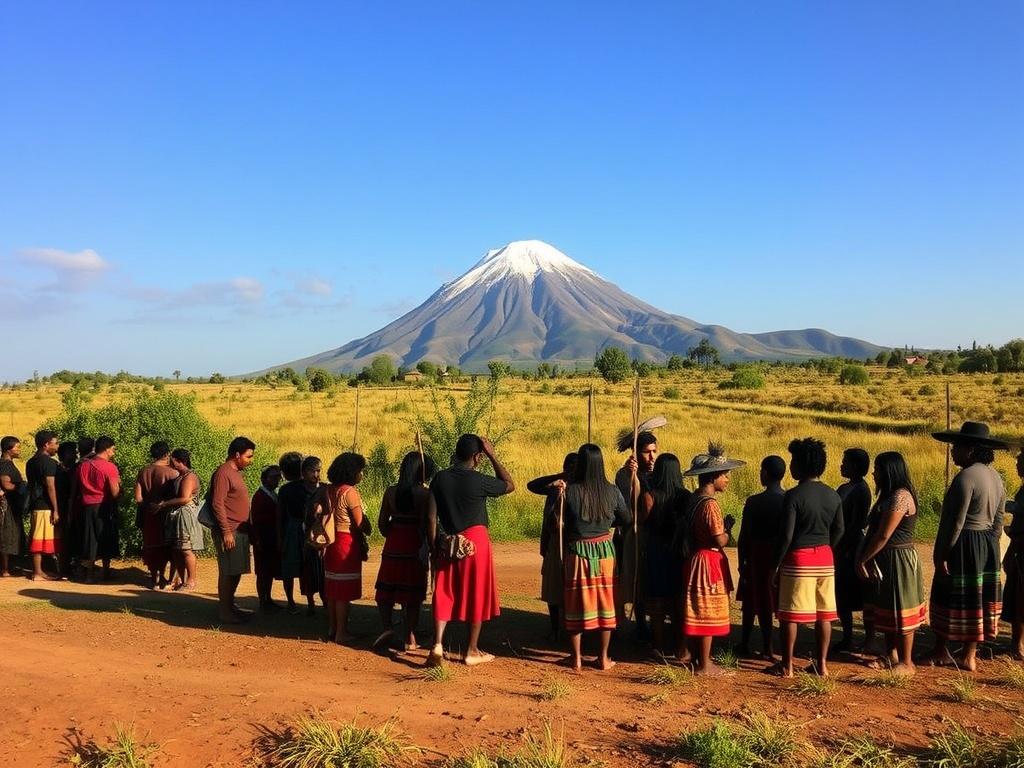
Despite resilience, indigenous communities face ongoing challenges. Health disparities, poverty, and marginalization persist in many regions. Economic pressures, extractive industries, and infrastructural projects can threaten livelihoods and sacred sites. And climate change poses a unique threat: many indigenous communities live in ecosystems already stressed by warming, and changes to seasonal patterns can disrupt food systems and cultural rhythms.
Climate change and cultural vulnerability
Melting permafrost, sea-level rise, and shifting rainfall patterns have immediate cultural implications. For Arctic communities, loss of sea ice alters hunting practices and travel routes. For low-lying Pacific islanders, rising seas threaten ancestral lands and burial sites. These losses are not only economic; they are existential, affecting identity, spirituality, and the ability to pass on place-based knowledge.
Economic inclusion and self-determination
Economic development can be a double-edged sword. While new opportunities are welcome — for employment, education, and infrastructure — they often come tied to values that displace local priorities. Indigenous leaders increasingly argue for development models that are community-led, culturally appropriate, and ecologically sustainable.
Paths Forward: Policies, Partnerships, and Indigenous-Led Solutions
If resilience has been the primary story so far, the future will depend on the extent to which governments, institutions, and citizens support indigenous leadership. Several paths forward show promise: co-management of protected areas, incorporation of indigenous knowledge into climate adaptation plans, legal recognition of land rights, and investment in language and cultural programs.
Community-led conservation
Many indigenous territories are biodiversity hotspots precisely because local communities maintained sustainable relationships with their environments. Recognizing indigenous land stewardship through community-conserved areas or legal protections not only safeguards biodiversity but supports cultural continuity.
Education and institutional reform
Curriculum reform that integrates indigenous histories and languages helps combat marginalization. Health and legal systems that respect cultural practices and provide accessible services strengthen long-term outcomes. Institutional partnerships that treat indigenous communities as equal partners rather than beneficiaries lead to more durable policies.
List: Key Elements of Indigenous-Led Resilience Strategies
- Revitalization of language and cultural education programs
- Legal recognition of land and resource rights
- Community-based natural resource management and traditional stewardship
- Economic models rooted in local priorities and sustainable practices
- Intergenerational transmission of knowledge through mentorship and storytelling
- Use of modern technology (GIS, digital archives) to document and protect heritage
- Strategic litigation and advocacy in national and international forums
- Alliances with researchers and NGOs that respect indigenous leadership
Case Studies: Stories of Survival and Renewal
Looking at specific cases helps ground the discussion in lived realities. Below are selected snapshots that illustrate a range of experiences and strategies.
The First Nations of North America
North American indigenous nations have pursued a variety of strategies, from legal action to cultural revival. Language immersion schools (like the K-12 immersion programs for Hawaiian and various First Nations languages) and cultural centers have become hubs of renewal. Land claim settlements and co-management arrangements in areas such as national parks have restored authority and access in some regions.
Aboriginal and Torres Strait Islander peoples in Australia
Australia’s indigenous communities endured centuries of dispossession and assimilationist policies, yet have mounted powerful campaigns for recognition. The Mabo decision and subsequent native title claims transformed legal landscapes. Cultural revival has been strong in areas like visual art, with Indigenous Australian art gaining global recognition. Efforts to incorporate Indigenous fire management into national bushfire policy exemplify the practical value of Indigenous knowledge.
Māori in Aotearoa/New Zealand
Māori political and cultural renaissance since the mid-20th century illustrates the power of bicultural settlement and legal processes. Treaty settlements, Māori-run media, and educational institutions have strengthened language and cultural institutions. Māori frameworks have also influenced national conversations about governance and environmental stewardship.
Amazonian peoples
Indigenous groups in the Amazon have been at the forefront of resistance to extractive industries. Their territorial claims have helped protect vast tracts of rainforest essential for global climate regulation. Leaders from Amazonian communities have gained international recognition, and indigenous stewardship practices continue to be recognized as vital to biodiversity.
Arctic Inuit and Sami communities
Climate change has been a stark reality for Arctic peoples. Their responses combine traditional ecological knowledge with scientific collaboration, leading to adaptive strategies for transportation, hunting, and community planning. Sami reindeer herding communities have used legal and political advocacy to preserve pastoral livelihoods in the face of industrial encroachment.
Allies, Coalitions, and International Forums
Indigenous resilience often grows stronger through alliances — with other indigenous groups, with sympathetic NGOs, academic researchers, and international bodies. The United Nations Declaration on the Rights of Indigenous Peoples (UNDRIP) provides a normative framework that indigenous communities use to assert rights and influence policy. Regional mechanisms, such as Inter-American Commission on Human Rights or the Arctic Council, also offer platforms for advocacy.
How partnerships can succeed
Partnerships work best when indigenous leadership is central. Co-designed projects, equitable funding arrangements, and respect for cultural protocols create durable collaborations. Too often, well-funded programs fail because they are top-down or ignore the cultural context; the most effective partnerships are those that strengthen local capacity and self-determination.
Everyday Acts of Resilience
Beyond legal battles and high-profile campaigns, resilience is lived in daily practices. Planting a traditional garden, teaching a child a song, documenting an elder’s stories, organizing a community feast — these acts sustain culture. They are also sources of joy and meaning that statistics and court cases cannot fully capture.
Younger generations and digital revival
Digital media has opened new spaces for cultural transmission. Young people use social platforms to share language lessons, music, and visual art. Virtual archives and apps help preserve vocabularies and songs. This hybridity — ancient knowledge meeting modern tools — is a recurring theme in contemporary resilience.
Challenges Ahead: Balancing Modern Life and Cultural Continuity
The future will demand creative balancing. Economic integration, urban migration, and global media draw young people into new worlds. At the same time, climate crises and resource pressures threaten the material bases of many cultures. The question is not whether indigenous cultures will change — they will — but how communities can steer change in ways that keep values and identity intact.
Policy implications
Policymakers should support indigenous-led development, protect lands and resources, fund language and cultural programs, and facilitate meaningful participation in decision-making. International finance and climate funds need mechanisms to channel resources directly to indigenous communities and respect customary governance systems.
List: Practical Steps for Supporters and Allies
- Listen to indigenous leadership and follow their priorities
- Support language learning programs and cultural institutions financially and politically
- Advocate for legal protections and enforcement of indigenous land rights
- Promote inclusion of indigenous knowledge in climate and conservation planning
- Buy and promote indigenous-made goods and art to support local economies
- Educate yourself and others about indigenous histories and contributions
Reflections: Why Indigenous Resilience Matters for Everyone
Indigenous resilience is not only a narrow cultural concern; it is a global public good. The practices and systems developed by indigenous peoples have conserved biodiversity, built resilient local economies, and modeled forms of social solidarity that many modern societies could learn from. When indigenous rights are protected, ecosystems thrive, and when ecosystems thrive, so do all forms of life — including human communities far beyond indigenous territories.
This is not about romanticizing the past. It is about recognizing that the capacity to live well in place, to think long-term, and to hold communities together are skills with immense contemporary relevance. In a world facing climate breakdown, growing inequality, and cultural fragmentation, indigenous resilience offers practical lessons and moral urgency.
Conclusion
The history of indigenous cultures and their resilience is a story of deep connection to place, of creativity under pressure, and of relentless striving for dignity and self-determination; it teaches us that culture is both fragile and stubbornly adaptable, that legal victories matter but so do everyday acts of care and remembrance, and that supporting indigenous-led futures is essential not only for the communities themselves but for the ecological and social health of the planet as a whole.