There is something almost magnetic about volcanoes: their silent power, the stories held in layers of ash, and the way they stitch together geology, history, and local culture. If you’ve ever imagined standing on a rugged rim, feeling gusts of warm wind and watching steam curl from a crater while emerald valleys spill away below, volcano hiking in Guatemala and Nicaragua might be the kind of trip that wakes something fierce and curious in you. These two Central American countries offer some of the most accessible—and most dramatic—volcanic hikes on the planet, with experiences that range from moonlike lava fields to cloud-kissed summits and friendly local guides who know every safe path and story.
Before you lace up your boots, it helps to understand what makes volcano hiking here so special: the compact geography that packs multiple active and dormant volcanoes into short distances; the layers of Mayan and Spanish colonial history that cling to slopes; and a culture of small-scale guiding and community-run treks that often makes each climb personal, social, and sustainable. This article walks you through the best volcanoes to hike, practical tips, safety considerations, cultural context, sample itineraries, and what to pack—everything you need to plan a memorable and responsible volcanic adventure in Guatemala and Nicaragua.
Why Guatemala and Nicaragua Are Volcano-Hiking Dreams
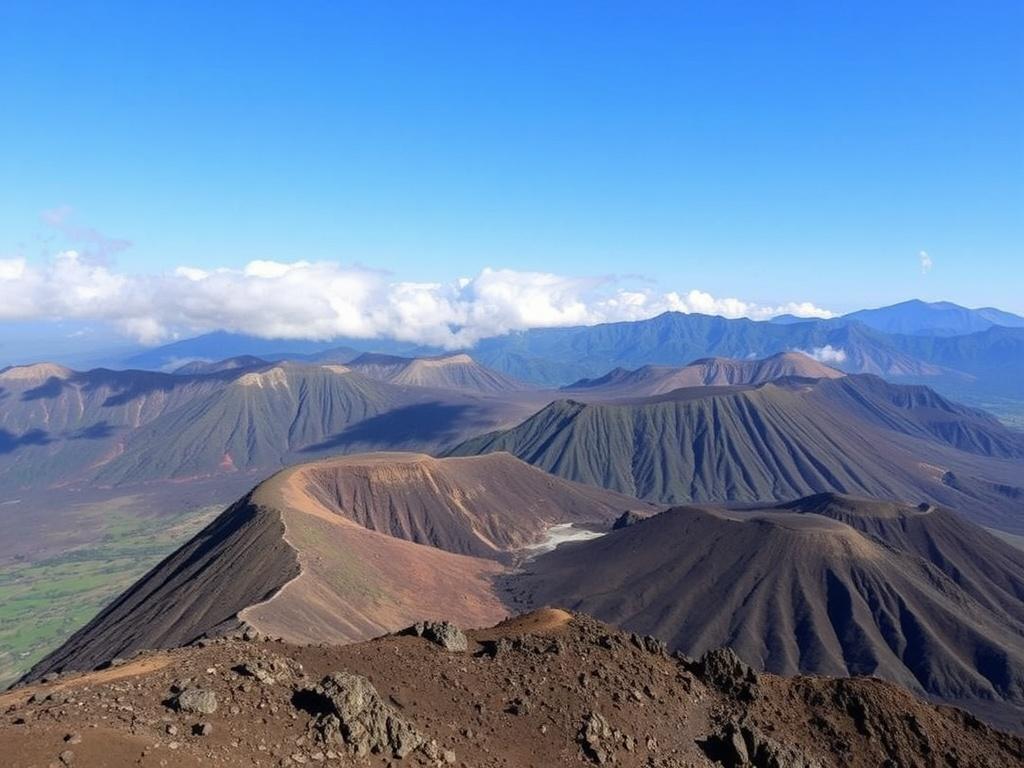
The volcanic landscape of Central America is a tapestry of contrasts: steep, rainforest-clad flanks, black pumice plains, bright sulfur vents, and crater lakes with glassy, otherworldly colors. Guatemala’s highlands present a dramatic sky-line of towering stratovolcanoes surrounding colonial Antigua and indigenous highland towns. In Nicaragua, a chain of volcanic giants runs northwest to southeast, creating lake-filled calderas, island-dotted lakes, and historic cities like León and Granada that sit under the gaze of active peaks.
What sets these countries apart is accessibility. Many volcanoes here can be reached and climbed in a day from nearby towns; others are perfect for overnight trips with bivouacs under the stars. The combination of easy approaches, knowledgeable local guides, and affordable prices means hikers with moderate fitness can experience truly dramatic volcanic environments without deep technical skills. Beyond physical enjoyment, volcano hiking also connects you with communities that live on these slopes—farmers who have adapted soils rich from ash, artisans whose traditions are untouched by mass tourism, and guides who tell legends that make each summit more than a physical achievement.
Safety and Ethical Considerations Before You Go
Hiking volcanoes is exhilarating, but it requires respect and planning. Active craters can emit toxic gases, sudden weather can reduce visibility drastically, and loose volcanic rock makes footing precarious. Hiring a local guide is not only safer—it supports community economies and ensures that your hike follows the most sustainable routes. Make sure to check local volcanic activity bulletins and always follow park regulations.
Ethically, aim to travel lightly. Many volcanic areas have fragile ecosystems—paramo grasses, specialized lichens, and waters that are sensitive to contamination. Stick to trails, pack out all trash, avoid lighting fires, and buy food and services from local vendors where possible. Small acts of respect preserve these landscapes and ensure that future travelers can enjoy them.
Top Volcano Hikes in Guatemala
Guatemala is famous for its volcanic silhouettes and spectacular viewpoints. Below are some of the most rewarding hikes, ranging from classic treks near Antigua to more remote climbs.
Volcán Pacaya
Pacaya is the most popular volcano near Antigua and one of the easiest active volcanoes to visit in the country. The hike is relatively short—often 2 to 3 hours depending on the route and your fitness—and it’s famous for its accessible lava fields and occasional views of molten lava flows. Guides commonly lead visitors to safe vantage points where you can feel the heat and see recent cooled flows up close. The landscape here is raw: black rock, sparse vegetation, and views that make the effort feel immediate and rewarding.
From a safety perspective, Pacaya’s activity level can change quickly. Most tours operate under strict local guidance and avoid any zones deemed dangerous. For photographers, golden-hour climbs are magical; the interplay of heat-shimmer and mountain light makes for unforgettable shots.
Volcán Acatenango
Acatenango is a classic overnight trek that rewards hikers with one of the best crater-to-crater experiences in Central America. The trail climbs through pine forests and scrub, eventually opening onto the high plateau of Acatenango with sweeping views across to the constantly erupting Fuego volcano. Camp on the ridge and watch Fuego’s nocturnal displays of lava and glowing rocks—an intense spectacle best enjoyed from a safe distance with a knowledgeable guide.
This hike is strenuous due to elevation gain—the summit sits around 3,976 meters (13,045 feet)—so acclimatization in Antigua or at lower elevations first is wise. The campfire camaraderie, star-filled skies, and the morning’s panoramic views across Guatemala’s volcanic spine make the effort worth every step.
Volcán Fuego (viewing only)
Fuego is one of the most active volcanoes in Central America and is usually observed from Acatenango’s ridge. Direct hiking on Fuego is not permitted due to its frequent explosive activity and hazardous gases, but viewing it from across the valley is an opportunity to witness an active stratovolcano’s power safely. The sound, light, and occasional ash rain during eruptions create a primal, unforgettable experience.
Volcán Tajumulco and Santa María
For travelers seeking higher, less crowded climbs, Tajumulco—the highest peak in Central America at 4,220 meters (13,845 feet)—offers a demanding but non-technical ascent through highland landscapes. Nearby Santa María and its neighboring Santiaguito dome complex offer more dramatic volcanic features: lava domes, pyroclastic deposits, and frequent small eruptions. Both peaks are best done with local guides who understand the microclimates and path choices.
Top Volcano Hikes in Nicaragua
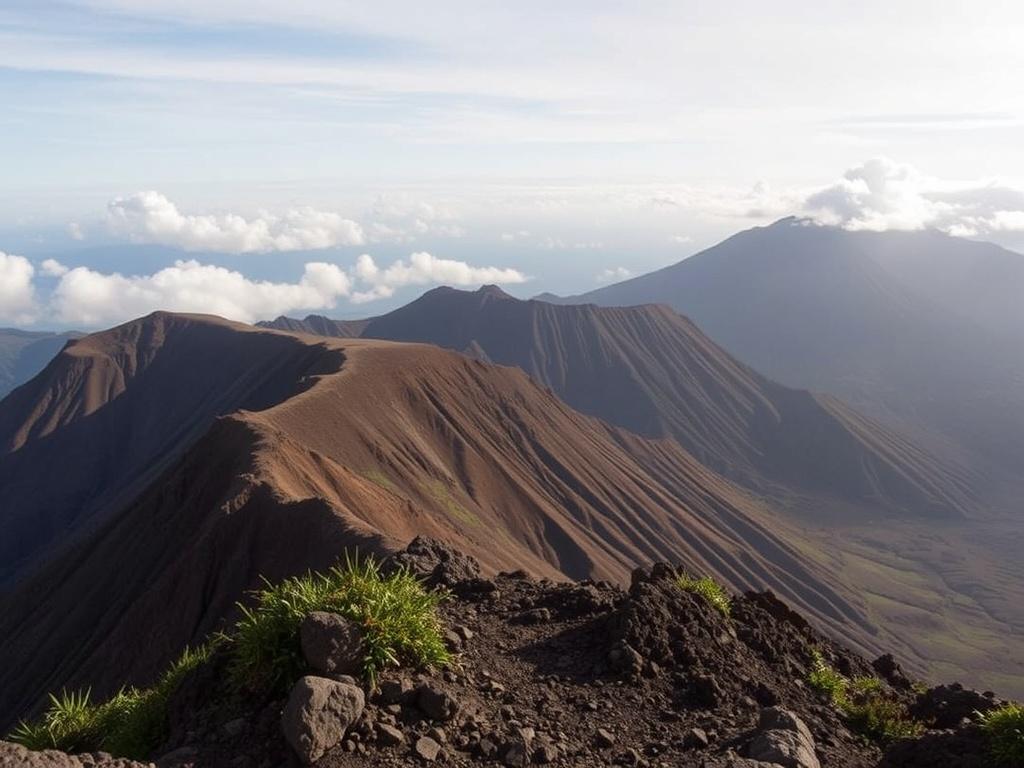
Nicaragua’s volcanic landscape is raw, intense, and incredibly varied. From climbs that end at steaming craters to long ridges with lake and coastline views, Nicaragua is a playground for volcano hikers.
Volcán Masaya
Masaya Volcano is one of the most accessible active volcanoes in Nicaragua. It sits within Masaya Volcano National Park and is famous for its open lava lake and observation points near the crater rim. A short, paved road brings you close; then short walks lead to viewpoints that allow you to peer into a glowing crater. Night visits are especially eerie and beautiful when the crater light contrasts against the dark sky.
Because Masaya is often gas-rich, park regulations are strict. Staying on designated viewpoints and heeding ranger instructions is essential. The park also offers a chance to learn about local geology and indigenous uses of volcanic landscapes.
Volcán Cerro Negro
Cerro Negro is the youngest and one of the most photogenic volcanoes in Nicaragua. Its distinctive black slopes and relatively short ascent make it popular for “volcano boarding”: an adrenaline activity where participants slide down the loose ash on wooden boards. The hike to the summit is steep but quick—often under an hour—and the descent offers a thrill unlike most other hikes.
If you prefer a quieter experience, choose to descend on foot and savor the stark, lunar-like landscape. Guided tours provide boards and helmets for volcano boarding and ensure participants use safe techniques on the loose ash.
Volcán Momotombo
Rising sharply from Lake Managua near León, Momotombo is a classic stratovolcano with a near-perfect cone. Climbing Momotombo is technically challenging and sometimes restricted due to activity, but when conditions permit, the ascent is dramatic and rewarding, offering sweeping views over the lake and surrounding landscapes. Approaches often begin from the colonial city of León, where guide services arrange permits and logistical support.
Granada and the Islets: Volcanic Context
While not volcanic peaks themselves, the city of Granada and the islets of Lake Nicaragua are geologically shaped by volcanic forces. Trips that combine a volcano hike with a boat tour of the islets and visits to nearby Mombacho volcano create varied itineraries that blend crater scenery with lakeside tranquility and colonial architecture.
Practical Planning: Permits, Guides, and Timing
Planning is half the journey. A little forethought goes a long way toward a safer, more enjoyable trip.
Permits and Park Fees
Many volcanoes have entrance fees or require permits, and fees often go to national parks or local communities that maintain trails. For example, Masaya and Pacaya have park fees, while overnight camping on Acatenango often includes a separate camping fee. Always check current rates and whether guides or ranger accompaniment are mandatory.
Hiring Guides
Hiring local guides is recommended and often required. Guides provide safety, local knowledge, language translation, and cultural context—plus they help ensure your visit benefits the community. In many towns near volcanoes, licensed guides are easy to find through hotels, tour agencies, or community tourism offices. For more remote climbs, consider booking through reputable local operators who can provide transportation, meals, camping gear, and emergency plans.
Best Seasons and Weather
Guatemala and Nicaragua have wet and dry seasons, with the dry season (roughly November to April) usually offering the best hiking conditions: clearer skies, less rain, and more predictable trails. However, shoulder seasons can mean fewer crowds and lush green landscapes. At high elevations, nights can be very cold even in the dry season, and weather can change rapidly; layers and waterproof gear are essential.
What to Pack: A Volcano Hiker’s Checklist
Packing smart helps you enjoy the hike and stay safe. Here’s a practical list that covers most volcano hikes in Guatemala and Nicaragua.
- Sturdy hiking boots with good grip (loose volcanic rock can be slippery)
- Layered clothing: moisture-wicking base layer, insulating mid-layer, waterproof outer shell
- Hat, gloves, and a warm hat for high-altitude overnight treks
- Headlamp or flashlight with extra batteries (for night ascents or early starts)
- Sun protection: broad-brimmed hat, sunglasses, sunscreen
- Water bottle or hydration bladder (plan for limited water sources)
- Snacks and electrolytes for energy
- First-aid kit with blister treatment, altitude sickness remedies, and any personal medications
- Dust mask or bandana (to filter ash and fine volcanic dust if needed)
- Camera, binoculars, and portable battery pack
- Copies of identification, permits, and emergency contacts
- For overnight trips: warm sleeping bag, lightweight tent or use of guide-provided camp setup
Table: Quick Comparison of Popular Volcano Hikes
| Volcano | Country | Elevation (approx.) | Difficulty | Unique Features | Recommended Trip Type |
|---|---|---|---|---|---|
| Pacaya | Guatemala | 2,552 m | Easy–Moderate | Accessible lava fields, short hikes | Half-day tour from Antigua |
| Acatenango | Guatemala | 3,976 m | Challenging (overnight) | Views of erupting Fuego; ridge camping | Overnight hike |
| Tajumulco | Guatemala | 4,220 m | Strenuous | Highest peak in Central America | Full-day or overnight |
| Masaya | Nicaragua | 635 m | Easy | Crater observations, night visits | Half-day visit near Managua |
| Cerro Negro | Nicaragua | 728 m | Moderate | Volcano boarding, lunar landscapes | Half-day to full-day |
| Momotombo | Nicaragua | 1,297 m | Strenuous/Technical | Perfect cone, steep ascent | Guided ascent when permitted |
Sample Itineraries
Different trip lengths and styles call for different itineraries. Here are three sample plans for inspiration.
Long Weekend from Antigua: Pacaya and Acatenango
Start in Antigua, take a half-day tour up Pacaya for a gentle introduction to volcanic terrain and a chance to roast marshmallows near warm rocks. The next day, prepare for the Acatenango overnight trek: start early, hike to the ridge, camp, and watch Fuego’s eruption displays at night. Return to Antigua the following afternoon, tired but exhilarated. This itinerary mixes easy and strenuous with cultural time in Antigua.
Explorer Week in Nicaragua: Granada, Masaya, and Cerro Negro
Fly into Managua and head to Granada for colonial streets and lake islet tours. Spend an afternoon and evening at Masaya for crater views. On another day, travel to León for a Cerro Negro climb and volcano boarding. Mix in beach time on the Pacific coast or a cultural visit to León’s cathedrals and museums. This itinerary blends exploration with adrenaline.
Highlands Challenge: Tajumulco and Santa María
For experienced hikers, a week in Guatemala’s western highlands can include an ascent of Tajumulco (possibly with an overnight near the summit), followed by exploration of Santa María and Santiaguito for dramatic dome and lava flow viewing. Spend time in Quetzaltenango (Xela) for acclimatization, markets, and local cuisine.
Local Culture, Legends, and Photography Tips
Volcanoes are woven into local myth and everyday life. In Guatemala, the highland landscape is dotted with Mayan towns where language and traditions remain strong. Ask your guide about local legends—stories of gods and spirits who inhabit the peaks, or of historical eruptions that shaped agriculture and settlement patterns. In Nicaragua, volcanoes feature in folklore and contemporary identity, shaping everything from pottery glazes to local recipes that use volcanic mineral-rich soils.
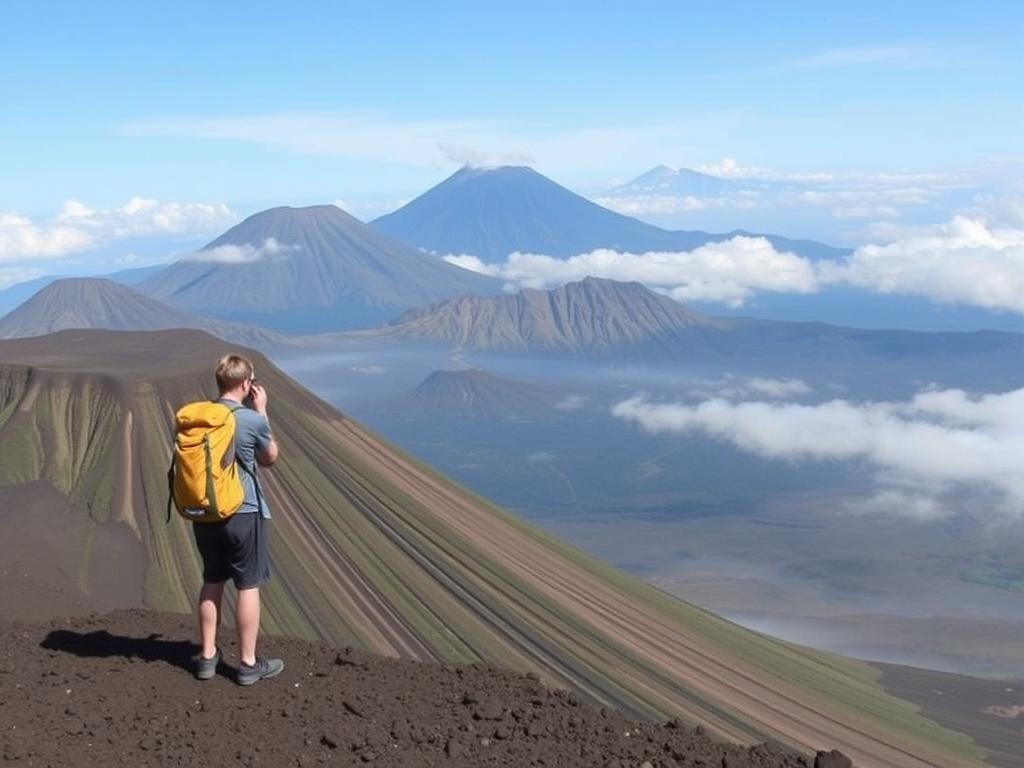
Photography tips: early morning and late afternoon are golden. For night photography of Fuego or Pacaya, bring a tripod and use long exposure to capture lava trails; follow park rules and stay at approved viewpoints. For wide landscapes, include foreground elements—pine trees, old farm walls, or people—to create scale and narrative.
Health, Altitude, and Emergency Preparedness
High-altitude hikes like Acatenango and Tajumulco can expose you to altitude sickness. Symptoms include headache, nausea, dizziness, and fatigue. Acclimatize by spending a day or two at intermediate elevations, hydrate, avoid alcohol, and ascend slowly. If symptoms worsen—persistent vomiting, severe breathlessness, or confusion—descend immediately and seek medical help.
Emergency preparedness: know the nearest medical facilities, carry a well-stocked first-aid kit, inform someone of your itinerary, and ensure your guide has a communication plan. In remote areas, radios or satellite communication might be practical options for guides.
Responsible Volcano Watching: Leave No Trace
Volcano landscapes are fragile despite their tough appearance. Use established trails, carry out your trash, respect local flora and fauna, and avoid removing rocks or cultural artifacts. Consider supporting local conservation groups or community tourism cooperatives to give back to the areas you visit.
Frequently Asked Questions
Here are brief answers to common questions travelers ask before a volcano hike.
Is volcano hiking dangerous?
All adventure activities carry risk. Volcano hiking can be done safely with proper precautions, current activity information, and a knowledgeable guide. Avoid restricted areas, pay attention to gas and ash advisories, and prepare for sudden weather changes.
Do I need special equipment for volcano boarding?
No technical climbing gear is typically needed for volcano boarding, but boards, helmets, goggles, and protective clothing are recommended. Rent gear from reputable providers who maintain and replace equipment.
Can I hike volcanoes independently?
Some volcanoes allow independent hikes, but local rules and safety conditions vary. For active or high-altitude volcanoes, hiring a guide is strongly recommended and sometimes mandatory. Guides enhance safety and contribute to the local economy.
What about wildlife and insects?
At higher altitudes wildlife is limited, but lower slopes can host a variety of birds, small mammals, and insects. Bring insect repellent for lower forested sections and be mindful of snakes in warmer, brushy areas.
Making the Most of Your Trip
Volcano hiking in Guatemala and Nicaragua is as much about the journey as the summit. Take time to wander the towns at the base of these peaks: Antigua’s cobblestones, León’s murals, the highland markets where weavers sell hand-dyed textiles. Savor local food—corn tortillas, beans, fresh tropical fruits—and learn a few phrases in Spanish or local Mayan languages to connect with guides and residents.
Consider combining volcano hikes with cultural experiences: coffee farm tours in Guatemala’s highlands, pottery workshops in Nicaragua, or community-based homestays where your visit supports local livelihoods. These interactions deepen your understanding and make the trekking experience richer.
Final Practical Tips
- Always check volcanic activity updates and park advisories before you go.
- Book guides in advance during peak seasons (dry season and holiday weeks).
- Carry cash for park fees, tips, and remote purchases—ATMs can be limited outside larger towns.
- Respect cultural sites and always ask before photographing people or private property.
- Travel insurance that covers high-altitude trekking and emergency evacuation is strongly advised.
Conclusion
Volcano hiking in Guatemala and Nicaragua offers an equal balance of raw geological spectacle and intimate cultural encounters. Whether you’re watching Fuego’s nighttime eruptions from Acatenango, feeling the heat of Pacaya’s lava fields, racing down Cerro Negro on a board, or summiting Tajumulco beneath a panorama of ancient peaks, these journeys ask you to be present—aware of the landscape, the people who live among the ash, and the fragile beauty of volcanic places. With careful preparation, respect for local rules and ecosystems, and a willingness to slow down and listen to the stories of the land, a volcano hike here can be one of the most memorable adventures of your travel life.