Women in Latin America have always been at the center of change — not just behind closed doors, but in public squares, courtrooms, and government offices. If you stop and listen to the rhythm of any Latin American city or village, you’ll hear the echoes of women’s labor, creativity, and resistance shaping daily life and the broader future. This article is a wide-angle look at that influence: how women have built communities, led movements, stewarded cultures, and reshaped politics across a region as diverse as its landscapes and peoples. I want to take you on a journey that begins in homes and markets and stretches to parliaments and global organizations, showing the enormous, sometimes quiet, sometimes explosive, force women have been in Latin American society.
What makes this story compelling is its complexity. Women’s roles here cannot be summed up in a single narrative: indigenous traditions, colonial legacies, Catholic influence, Afro-descendant cultures, urbanization, and globalization all intersect to create varied experiences. At times, women are celebrated as central pillars of the family; at others, they are fighting violently contested battles for bodily autonomy, pay equity, and safety. There are inspiring victories and stubborn obstacles, small grassroots initiatives and sweeping national reforms. Let’s unpack these layers, listen to the voices, and trace the arc of change that women in Latin America are forging today.
Historical Roots: From Pre-Colonial Societies to Colonial Constraints
Long before European contact, many indigenous societies across the Americas had social systems in which women played essential roles. Matrilineal structures, economic stewardship of crops and textiles, and spiritual leadership were not uncommon. Women managed agricultural cycles, led rituals, and held knowledge that sustained communities. When colonization arrived, those structures were disrupted. The imposition of European gender norms and the Catholic Church’s doctrines reshaped family life and pushed many women into more constrained social roles, even as they continued to provide indispensable labor.
During the colonial period and into the 19th century independence movements, women often acted behind the scenes — as organizers, messengers, and supporters of revolutionary causes. Some, however, rose to public prominence as educators, writers, and activists who demanded rights and recognition. Over time, the slow expansion of public education, urbanization, and labor movements created avenues for women to claim more visibility and influence. Women entered factories, schools, and hospitals; they organized unions and temperance or suffrage campaigns; they wrote poetry and novels that challenged prevailing norms.
Yet, history is not a straight line of progress. Periods of authoritarianism, military rule, and economic crisis frequently suppressed gains and pushed women into survival strategies that deepened inequality. At the same time, these hardships often galvanized feminist activism and community resilience. The result is a layered legacy: colonial restrictions and patriarchal traditions on one hand; enduring female agency, adaptability, and leadership on the other.
Indigenous and Afro-Latin American Women: Dual Histories of Resistance
Indigenous and Afro-descendant women stand at the intersection of multiple forms of marginalization — ethnic, racial, gendered, and often economic. Their histories are marked by dispossession, forced labor, and cultural erasure, but also by resistance, preservation of knowledge, and civic leadership. Indigenous women have been guardians of seeds, languages, and ancestral medicine; they have led land rights campaigns and defended sacred territories. Afro-Latin American women have carried forward music, culinary traditions, and communal solidarity while fighting for recognition and equitable access to resources.
What is striking is the resilience and creativity these women bring to social movements. They often frame struggles in communal terms, linking environmental protection to cultural survival, and gender justice to indigenous sovereignty. Their leadership demonstrates that movements for women’s rights in Latin America must be intersectional, attentive to race and indigeneity, and rooted in local cultural contexts.
Political Power: Breaking the Glass Ceiling in Parliaments and Presidencies

The last few decades have seen a notable increase in women’s political participation in Latin America. This change is visible in national legislatures, municipal governments, and the highest offices of the state. Countries across the region have introduced gender quotas and parity laws that aim to ensure women are represented in political bodies. The results have been mixed but significant: more women sitting at tables where policies are decided, more laws addressing issues that disproportionately affect women, and more role models inspiring younger generations to get involved.
It helps to name some of the gains: several Latin American countries have had women presidents or heads of state in recent decades, and many more have seen women rise to ministerial roles and leadership positions within their parties. These breakthroughs are not just symbolic. Women legislators have been behind important reforms on family law, violence prevention, and social welfare. Yet parity in numbers does not automatically translate into power. Women politicians still face sexism, limited access to finance for campaigns, and the entrenched networks that favor men. They must navigate a political culture often hostile to female leadership, and in many places they confront threats to their safety.
Notable Leaders and What They Represent
Across Latin America, individual women leaders have become household names and international figures. Some have used their office to push progressive policy agendas; others have become polarizing political icons. What matters for the broader story is the precedent they set: leadership by women is increasingly normal and can open the door to policy conversations shaped by diverse life experiences.
| Leader | Country | Role | Impact |
|---|---|---|---|
| Michelle Bachelet | Chile | President; later head of UN Women | Advocated for social policies, expanded visibility for women in international leadership |
| Cristina Fernández de Kirchner | Argentina | President; later Vice President | Strengthened political presence of women in high office and polarized national debates |
| Rigoberta Menchú | Guatemala | Indigenous activist; Nobel Peace Prize laureate | Brought global attention to indigenous rights and gendered violence |
| Berta Cáceres | Honduras | Environmental activist | Defended indigenous lands and mobilized international support before her assassination |
| Isabel Allende | Chile | Author | Used literature to center women’s experiences and histories across Latin America |
Social Movements and Feminism: A Wave of Collective Action
If you want to understand the power of women in Latin America today, watch the streets during a protest. Movements like Ni Una Menos, which originated in Argentina and spread across the continent, have changed how societies talk about femicide and gender-based violence. The Marea Verde — or Green Wave — has mobilized millions for reproductive rights, changing political debates and, in some places, policy outcomes. These movements are diverse: some are urban and middle-class in composition, while others are rooted in working-class neighborhoods, indigenous territories, or rural communities. What unites them is a refusal to accept gendered violence and inequality as inevitable.
These campaigns are often creative, combining music, art, colorful banners, and social media to capture attention and build solidarity. They also rely on networks of NGOs, grassroots groups, journalists, and international allies. The outcome is more than protest: it’s a shift in cultural norms and a redefinition of what justice looks like. In response, governments have debated and sometimes enacted reforms — better reporting mechanisms for domestic violence, specialized courts, and public awareness campaigns.
- Ni Una Menos: A movement against femicide and gender violence originating in Argentina in 2015.
- Marea Verde: The green movement for reproductive rights and abortion access.
- Indigenous women’s assemblies: Local forums combining cultural preservation with land and gender rights.
- Labor and domestic workers’ unions: Organizing around formal recognition, wages, and protections.
How Movements Translate to Policy
The path from protest to policy is rarely straightforward. Activists often have to sustain attention for years, build coalitions with sympathetic legislators, and counter powerful conservative institutions such as religious groups or business lobbies. Nevertheless, sustained social pressure has produced measurable reforms: criminal codes that recognize femicide as a crime, creation of shelters for survivors, and in some places, expanded reproductive health services. Importantly, these reforms often reflect the agendas articulated by women’s movements — not only in urban capitals but in small towns and indigenous territories too.
Economic Roles: From Informal Markets to Startups
Economically, women are everywhere: vendors in bustling market plazas, teachers and nurses in public services, entrepreneurs launching small businesses, and professionals shaping new industries. In many Latin American cities, women dominate sectors like education and health care. At the same time, a large share of women’s work is informal — unpaid care, domestic help, small-scale trade, and agriculture — which often means low pay, little job security, and minimal social protections.
Access to finance and property ownership remains a barrier for many women entrepreneurs, particularly in rural areas and among indigenous communities. Yet women are also driving innovation: community cooperatives, social enterprises, and digital startups led by women are becoming more visible. Remittances from migrant women also feed households and finance education, health, and small investments back home.
| Economic Sphere | Women’s Role | Key Challenges |
|---|---|---|
| Informal markets and trade | Majority of vendors and small traders | Low wages, lack of social protection, harassment |
| Care and domestic work | Primary caregivers, often unpaid or underpaid | Time poverty, limits to career advancement |
| Formal sectors (education, health) | High representation of women, especially in service roles | Glass ceilings for leadership, wage gaps |
| Entrepreneurship and tech | Growing numbers of women-led startups and cooperatives | Access to capital, mentorship, and networks |
The Care Economy and Its Consequences
One major theme shaping women’s economic power is the care economy. Childcare, eldercare, and housework still fall disproportionately on women’s shoulders, which limits their time to pursue paid work or education. Governments and employers are beginning to recognize this through policies like paid parental leave, public childcare, and subsidies — but coverage remains uneven across the region. Investing in care infrastructure would unlock productivity and opportunities for millions of women, reshaping entire economies.
Culture and the Arts: Shaping Identity and Narratives
Culture is a powerful avenue through which women in Latin America assert agency. Writers, painters, musicians, filmmakers, and performers have used their art to challenge stereotypes, celebrate resilience, and give voice to marginalized experiences. Frida Kahlo’s paintings, for example, have become global symbols of personal truth and female experience. Literary figures like Gabriela Mistral and Isabel Allende have placed women’s inner lives at the center of national narratives. Musicians from Celia Cruz to contemporary pop stars have broken cultural boundaries and carved paths for women in popular culture.
Art and storytelling are not just aesthetic; they’re political. They change minds by humanizing the stories of women who might otherwise be invisible. Community theaters, radio programs, and social media campaigns run by women are amplifying voices from remote villages and urban peripheries, creating new forms of representation and empowerment.
Film, Literature, and Digital Media
The growth of independent cinema and digital platforms has created spaces for women filmmakers and writers to explore subjects previously neglected by mainstream outlets. Documentary films exposing femicide, novels exploring motherhood or displacement, and podcasts led by women activists are reshaping public conversations. These cultural contributions often intersect with activism, providing narrative tools that sustain movements and influence policy.
Family, Religion, and Social Norms: Negotiating Tradition and Change
The family remains a central institution in Latin America, and women are typically expected to be its caretakers. Religion — particularly Catholicism, though increasingly diversified with evangelical Protestantism and local spiritualities — has historically shaped gender norms, particularly around sexuality, family life, and reproductive health. Yet these norms are shifting. Urbanization, increased education, and exposure to global ideas have led younger generations to question traditional gender roles.
This negotiation between tradition and change plays out in everyday choices: women pursuing higher education, delaying marriage, entering the workforce, or demanding equal partnership in domestic life. Resistance to these changes often comes from entrenched machismo culture and political actors who align with conservative religious forces. The struggle is ongoing, but small shifts — men sharing housework, local policies supporting paternity leave, and media portraying diverse family forms — are signs of slow but meaningful transformation.
Gender-Based Violence: A Stubborn Crisis
One of the most urgent challenges facing women in Latin America is gender-based violence, including domestic violence and femicide. The scale of the problem has prompted public outrage and mass mobilizations. Communities and governments have begun to respond with specialized police units, hotlines, shelters, and legal reforms designed to protect victims and hold perpetrators accountable. However, implementation is often uneven, and survivors face obstacles in access to justice and protection.
Addressing gender-based violence requires a multi-pronged approach: changing cultural norms that condone violence, improving legal frameworks and enforcement, investing in prevention and education, and providing social and economic support to survivors. It also means engaging men as allies and rethinking masculinity in ways that promote equality.
Education and the Next Generation: Expanding Horizons
Education has been a key driver of women’s empowerment in Latin America. Over the past few decades, school enrollment for girls has increased dramatically in many countries, and women now earn a significant share of university degrees. These educational gains have expanded career paths and political engagement, giving women the tools to influence civic life and economic development.
Yet disparities persist. Rural girls, indigenous girls, and those from the poorest families still face barriers to completing education. School curricula often reproduce gender stereotypes. Ensuring universal access to high-quality education — including sexual and reproductive health education — is essential for sustaining progress and enabling the next generation of women leaders.
STEM and Vocational Training
There is a growing push to encourage women into STEM (science, technology, engineering, and mathematics) fields and vocational training programs that lead to stable employment. Mentorship programs, scholarship initiatives, and partnerships with the private sector are beginning to shift the gender balance in technical fields. As new industries emerge, ensuring women are included in training pipelines will be crucial for equitable development.
Rural Realities and Environmental Stewardship
In rural areas, women’s roles are particularly multifaceted: they are farmers and seed-keepers, caregivers and local health providers, and often the first line of defense against environmental degradation. In many indigenous communities, women have led campaigns against extractive projects that threaten water sources and traditional livelihoods. The assassination of activists like Berta Cáceres is a tragic reminder of the stakes involved in defending land and life.
Rural women often face compounded barriers — limited access to land ownership, credit, markets, and education — yet they are also innovators in sustainable agriculture and community resilience. Supporting their leadership in environmental stewardship is critical for both gender justice and climate resilience.
Land Rights and Legal Recognition
Securing land rights and legal recognition for women farmers is a powerful lever for economic security. When women can inherit and register land, they gain collateral for loans, increased bargaining power, and greater control over household decisions. Legal reforms and community-led initiatives that prioritize gender-equitable land reform can have transformative effects.
Policy, Legal Reforms, and Institutional Change
Policy reforms have both reflected and propelled women’s increased visibility in public life. Gender parity laws, quotas for political candidates, workplace protections, and reforms addressing gender-based violence are among the institutional tools governments have used. International frameworks and regional bodies have also provided leverage, encouraging states to adopt protections and report on progress.
That said, laws alone are insufficient. Effective implementation, funding, and institutional capacity are necessary to translate legal rights into lived realities. Civil society, the judiciary, academic institutions, and international organizations have roles to play in monitoring, supporting, and strengthening reforms.
Examples of Legal Shifts
Some notable shifts in policy across the region include expanded protections against domestic violence in various countries, strengthened criminalization of femicide, and, in certain places, greater access to reproductive health services. These changes often came after sustained activism and strategic coalition-building between civil society and sympathetic lawmakers. The message is clear: organized, persistent advocacy can push institutions to change.
- Push for parity in political representation through electoral law reform.
- Creation of specialized courts and police units to handle gender-based crimes.
- Investment in social protection programs that target women’s economic empowerment.
- Education policy reforms that address gender stereotypes and promote equal opportunity.
Looking Ahead: Opportunities, Obstacles, and the Way Forward
As Latin America faces the future, women will be central to how societies adapt to economic shifts, climate change, and political transformations. The region’s young women are particularly promising agents of change; connected through social media, educated at higher rates, and often more open to progressive ideas about gender and rights. Technology opens new avenues for entrepreneurship, education, and organizing, but it also introduces new risks like digital harassment and misinformation.
Obstacles remain significant: economic inequality, violence, and conservative backlashes can slow or reverse gains. Migration and displacement, exacerbated by climate change and economic pressures, pose complex challenges for women and families. Yet the resilience demonstrated by women’s movements — their capacity to build solidarity across classes, ethnicities, and borders — is a powerful resource.
Practical Steps for Strengthening Women’s Role
If we think practically about how to sustain and deepen the progress women have made, a few priorities emerge:
- Invest in public care infrastructure — childcare and eldercare — to free women’s time for education and formal employment.
- Support education programs that encourage girls’ participation in STEM and leadership training.
- Protect activists and journalists who expose gender-based violence and corruption.
- Encourage land and property rights reforms that prioritize women farmers and indigenous communities.
- Promote electoral reforms that ensure meaningful political representation and support women candidates with training and finance mechanisms.
- Strengthen cross-border alliances among women’s organizations to share strategies and apply pressure at regional forums.
Stories That Matter: Everyday Leadership and Quiet Power
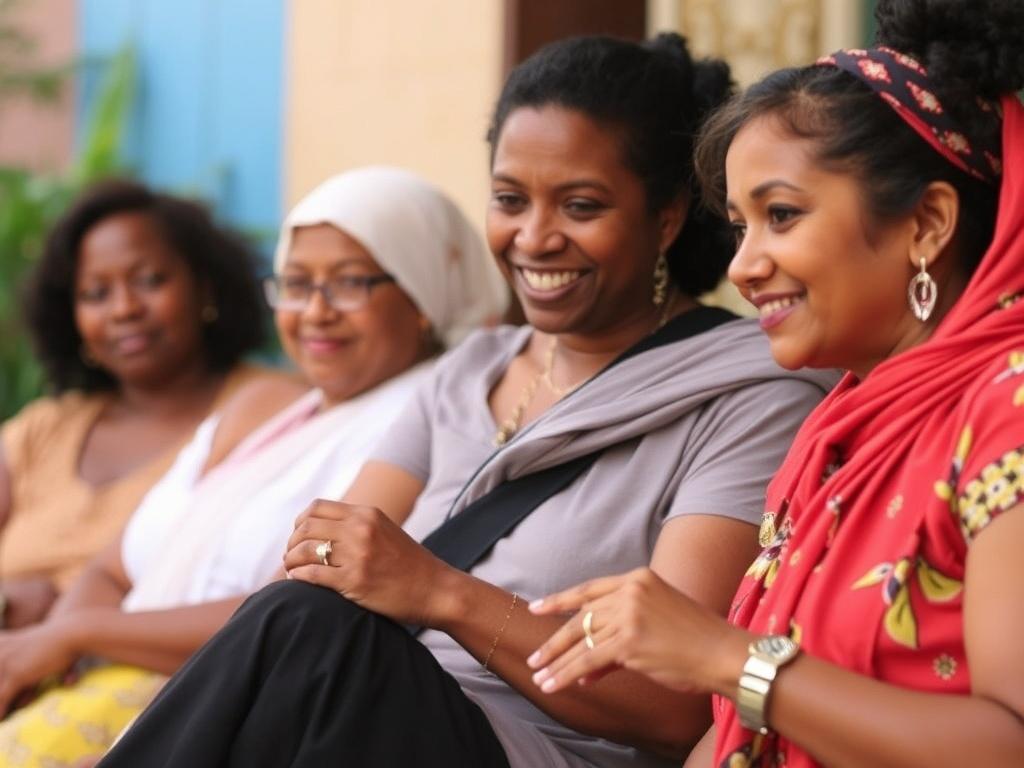
Beyond presidents and famous activists, dozens of grassroots stories reveal how women transform societies on a daily basis. Think of the teacher in a rural school who organizes bilingual education for indigenous children; the market vendor who runs a savings group to finance small businesses; the nurse who drives outreach campaigns in remote communities; the mother who turns her experience with domestic violence into advocacy that helps other women find safety. These stories may not make international headlines, but they are the engines of social change.
When we look at Latin America, it’s essential to recognize that power comes in many forms. Formal authority matters, but so do informal networks, cultural influence, and caregiving labor. Women wield power by holding families together, transmitting cultural memory, organizing protests, running enterprises, and shaping political agendas.
Final Reflections
The story of women in Latin America is one of resilience, creativity, and persistent struggle. Their influence spans culture, politics, the economy, and social life — often simultaneously. Progress has been real and measurable, but it is incomplete and uneven. Moving forward requires both honoring the leadership women already provide and investing in the structures that enable more women to shape public life on their own terms.
Conclusion
Across cities, villages, legislatures, and classrooms, women in Latin America are powerful agents of change — nurturing communities, leading movements, crafting culture, and reshaping institutions — and while significant strides have been made through activism, policy reforms, and increasing political participation, persistent challenges such as gender-based violence, unequal economic opportunity, and cultural resistance remain, meaning the path forward requires continued solidarity, targeted policy investments (especially in care infrastructure and education), protection for activists, and respect for the intersectional realities of indigenous and Afro-descendant women so that the next generation can inherit a more just and equitable society.