
Costa Rica has earned a reputation that many countries dream about: a small nation with outsized influence in conservation, sustainability, and responsible travel. As you step off a plane and feel the warm, humid air mix with jungle scents, it’s easy to understand why. But what does it actually mean to call Costa Rica a pioneer in eco-tourism? Is it just a marketing slogan, or are there real policies, community efforts, and experiences that justify the claim? In this article we’ll take a friendly, deep dive into how Costa Rica became a global model for sustainable travel, what practical examples look like on the ground, what challenges remain, and how you — as a traveler, student, or curious reader — can engage in ways that genuinely support conservation and local communities.
Why Costa Rica? The story behind the promise
There’s something poetic about a country that swapped cavalry for conservation in a relatively short time. Costa Rica abolished its army in 1948 and reallocated funds to education, healthcare, and environmental protection. That simple policy shift was the seed for a much larger cultural and institutional movement. The government and civil society invested in protected areas, reforestation, and environmental education. Over decades this produced a landscape where more than a quarter of the nation is protected parkland and biological reserves. Solar-powered lodges, research stations, community-run projects, and strict regulations around timber and wildlife grew out of that broader commitment.
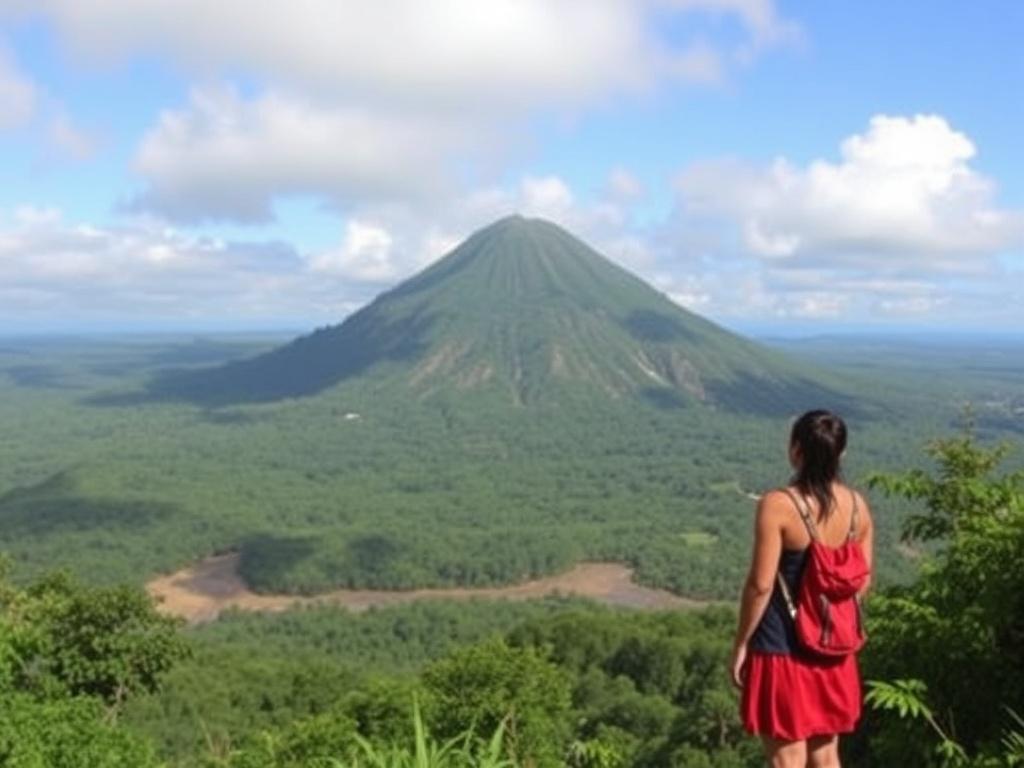
But the story isn’t merely political. Costa Rica’s geography — mountains, cloud forests, lowland rainforests, active volcanoes, coastlines on both the Pacific and Caribbean — created an extraordinary concentration of biodiversity. Add enthusiastic biologists, forward-thinking entrepreneurs, and an international travel industry eager for authentic, nature-based experiences, and you have the conditions for eco-tourism to flourish. The resulting blend of biodiversity conservation, sustainable business models, and cultural respect is what makes Costa Rica both attractive and influential.
Core principles: What makes eco-tourism “eco” in Costa Rica?
Eco-tourism in Costa Rica adheres to several practical and ethical principles that, when consistently applied, help ensure nature and communities benefit from travel rather than suffer from it. Here are the core principles:
- Protect biodiversity and habitats through minimized footprint and support for protected areas.
- Contribute economic benefits to local communities via employment, fair wages, and community-driven projects.
- Use resources efficiently: water conservation, renewable energy, and waste reduction.
- Provide educational experiences that raise awareness about conservation and local culture.
- Encourage responsible behavior by visitors: low-impact activities, respect for wildlife, and cultural sensitivity.
These ideals show up in practical ways: hotels that run on hydroelectric or solar systems, tours that limit group sizes in sensitive areas, community cooperatives running homestays and guiding services, and research partnerships that use tourism revenue to fund conservation.
Protected areas, biodiversity, and why they matter
If Costa Rica’s eco-tourism were a museum, its exhibits would be the national parks and reserves scattered across the map. Corcovado National Park, Monteverde Cloud Forest Reserve, Manuel Antonio National Park, Tortuguero National Park — each offers a different window into Costa Rica’s extraordinary ecosystems. The country is home to more than 500,000 species by some estimates, many of which are endemic or threatened. Maintaining corridors between protected areas and supporting reforestation projects have become central to keeping these species viable.
Eco-tourism funds much of this work. Park fees, guided tour prices, and donations help finance rangers, research, and restoration. In many cases, tourist interest has been key to political support for conservation. When communities can earn income through birdwatching tours, turtle-watching patrols, or canopy walks, the incentives to preserve natural areas become stronger.
Key protected areas to know
- Corcovado National Park — a biodiversity hotspot on the Osa Peninsula, famous for big mammals and pristine lowland rainforest.
- Monteverde Cloud Forest Reserve — a misty, hummingbird-rich environment that helped popularize canopy walks and research on cloud forest ecology.
- Tortuguero National Park — a nesting haven for sea turtles and a unique wetland system accessible by boat.
- Manuel Antonio National Park — compact and biodiverse, with beaches, monkeys, and easy wildlife viewing.
Community-based tourism: When local people lead
One of the most compelling features of eco-tourism in Costa Rica is the emphasis on community-based models. Rather than outside corporations extracting revenue from local resources, many projects are run by cooperatives or families who live in the area. These programs provide jobs, keep cultural practices alive, and create direct links between tourist dollars and community benefits.
A typical community-run project might offer homestays, guided hikes led by local youth trained in biology and interpretation, craft markets using sustainably sourced materials, or cultural evenings that introduce travelers to traditional music and food. This approach creates a more authentic travel experience and ensures that tourism success is not divorced from local wellbeing.
Benefits of community-based tourism
- Direct economic benefits stay in the community.
- Traditional knowledge and cultural practices are preserved and shared respectfully.
- Increased local stewardship of natural resources.
- Improved visitor experiences thanks to local storytelling and specialized knowledge.
Sustainable accommodations and green certification
Not all hotels are created equal, and Costa Rica has been at the forefront of creating standards and certifications to separate token greenwashing from genuine sustainability. Certification programs like the Certification for Sustainable Tourism (CST) assess businesses on criteria such as energy efficiency, waste management, community engagement, and environmental education.
Eco-lodges vary from rustic canopy cabins to luxury rainforest resorts. What they share is an emphasis on minimizing environmental impact and integrating with local ecosystems. Rainwater harvesting, composting toilets, organic kitchens sourcing local produce, and small-batch solar installations are common features. Many lodges also participate in conservation programs, such as sponsoring reforestation or funding local research.
Table: Comparing types of eco-accommodations
| Type | Typical Features | Best For |
|---|---|---|
| Community homestays | Local meals, cultural exchange, low-cost, direct benefit to families | Travelers seeking authentic cultural experiences and direct community support |
| Eco-lodges / small boutique hotels | Solar/hydro power, interpretive guides, on-site conservation programs | Nature-focused travelers looking for comfort with low environmental impact |
| Luxury sustainable resorts | High-end amenities, certified sustainability practices, rehabilitation programs | Travelers wanting comfort and proven sustainability standards |
| Backpacker hostels / eco-campgrounds | Low-impact camping, composting facilities, community notice boards | Budget travelers and adventurers prioritizing low footprint |
Low-impact adventure: How thrill meets responsibility
Adventure tourism — zip-lining, white-water rafting, kayaking, canopy walks, and surfing — is a major draw in Costa Rica. The trick is to manage these activities so that they don’t erode the very resources that make them special. Responsible operators limit group sizes, use established trails and river routes, follow wildlife viewing protocols, and ensure guides are trained in safety and environmental interpretation.
For example, canopy tours in the cloud forest can provide peaceful, informative experiences if zip-line lines are installed with minimal forest fragmentation and operators maintain proper distances from wildlife. Sea turtle tours in Tortuguero and Ostional follow strict rules: limited numbers, red headlamps, and respectful distances so turtles can nest undisturbed. The result is an unforgettable experience that supports conservation rather than undermining it.
Education, research, and citizen science
Costa Rica is a magnet for students, researchers, and citizen scientists. Universities from around the world run field courses in Monteverde and La Selva Biological Station. Tourists often get to participate in data collection projects — counting birds, monitoring frog populations, or assisting in sea turtle monitoring. These projects create valuable long-term datasets while enriching visitors’ understanding.
Volunteer tourism has also grown. When done well, it supports local projects and provides meaningful experience; when done poorly, it can become a form of volunteer tourism that prioritizes the volunteer’s experience over real needs. The most responsible programs are transparent about outcomes, use qualified supervisors, and align with community priorities.
Examples of research and education efforts
- La Selva Biological Station — long-term ecological research and university field courses.
- Monteverde’s Green Education programs — local schools and international students collaborating on cloud forest research.
- Turtle conservation initiatives — community-led monitoring and protection of nesting beaches.
Economic impacts: Jobs, revenue, and equitable growth
Tourism is a major driver of Costa Rica’s economy, accounting for significant employment in rural and urban areas. When tourism is structured sustainably, it provides year-round income for guides, hotel staff, artisans, and food producers. Local sourcing is a win-win: small farmers supply organic vegetables to lodges, artisans create goods for tourists, and guiding companies hire locally trained naturalists.
However, economic benefits are not always evenly distributed. Large international hotel chains or cruise-based operations can siphon money out of local communities unless there are deliberate policies to link local suppliers and labor. Costa Rica’s model attempts to balance this by promoting small and medium-sized enterprises (SMEs), certification that favors community engagement, and investment in environmental services like payments for ecosystem services (PES).
Challenges and criticism: Not everything is perfect
No sustainability model is without challenges, and Costa Rica faces its share. Over-tourism in popular parks leads to congestion and strain on infrastructure. Illegal development and insufficient enforcement can undermine protected areas. Some critics point to greenwashing — businesses claiming sustainability without meeting substantive standards. There are also social concerns: rising property prices near tourist hot spots can displace local residents, and seasonal work can create unstable livelihoods.
Balancing growth and protection is a constant tension. Government regulation, community vigilance, and informed travelers all play roles in keeping eco-tourism aligned with its ideals. Transparency in certification and stronger monitoring systems also help address the risks of greenwashing.
Policy, governance, and the role of payment for ecosystem services
Costa Rica’s national policies have emphasized environmental protection for decades. One innovative policy instrument is the Payment for Environmental Services (PES) program, which compensates landowners for maintaining forests and ecosystem services like water purification and carbon sequestration. PES has been crucial in encouraging reforestation and maintaining habitat connectivity.
At the governance level, environment ministries, park authorities, and local municipalities must coordinate with private businesses and NGOs. Creating incentives for sustainable practices — tax breaks for renewable energy, penalties for illegal deforestation, and support for community enterprises — helps keep the eco-tourism sector accountable.
How PES supports tourism
- PES reduces deforestation pressure, preserving the landscapes tourists come to see.
- It creates income streams for landowners, offering an alternative to agriculture that may be more destructive.
- Healthy forests improve watersheds, supporting eco-lodges and communities that rely on freshwater resources.
Carbon accounting and seeking carbon-neutral travel
Costa Rica has positioned itself as an ambitious country for carbon neutrality. While full carbon neutrality is complex and debated, the country has invested in renewable electricity (a large portion of its electricity comes from hydro, wind, and geothermal sources) and in reforestation. For travelers, options to offset flights and choose low-emission transportation — hybrid rental cars, shuttle buses, or rail where available — make it possible to reduce the travel carbon footprint.
Many businesses participate in carbon-offset programs or invest in local mitigation projects. When choosing operators, look for transparent carbon accounting and a clear record of local investment in renewable energy or reforestation.
Sustainable transportation and getting around
Transportation is one of the biggest contributors to travel emissions. Costa Rica’s geography means many of the best sites are best accessed by road or short flights. Responsible travel choices include:
- Using shuttle services or shared transport instead of private taxis when possible.
- Choosing tour operators that use fuel-efficient vehicles or offset carbon emissions.
- Opting for local buses for longer, slower travel that supports local economies.
- Exploring on foot, bike, or kayak once you’re in a destination to reduce emissions and increase local engagement.
Many eco-lodges provide connections to shared transport or arrange transfers that minimize unnecessary trips. Planning an itinerary that clusters nearby sites reduces back-and-forth travel and therefore emissions.
Everyday traveler actions that make a real difference
Small habits add up. Travelers who adopt low-impact practices can have an outsized positive influence, especially when multiplied across thousands of visitors. Here are practical tips that genuinely help conservation and communities:
- Respect wildlife: observe from a distance, avoid feeding animals, and follow guide instructions.
- Use refillable water bottles and avoid single-use plastics — many lodges have filtered water stations.
- Support local businesses: buy crafts from local artisans, eat at community restaurants, and choose community tours.
- Choose certified or highly recommended operators and accommodations that publish sustainability reports.
- Learn a few Spanish phrases and basic cultural norms to show respect and foster connection.
- Volunteer selectively and only with reputable organizations that meet real community needs.
Case studies: Real examples of success
Case studies illustrate how policies and practices translate into real outcomes.
Monteverde Cloud Forest
Once fragmented farmland, Monteverde transformed through a combination of private reserves, research partnerships, and tourism. The community developed canopy tours and educational programs that now fund research and maintain local livelihoods. Monteverde’s conservation success is not without pressure — visitation must be managed — but it remains a touchstone for cloud forest preservation.
Tortuguero and sea turtle conservation
Tortuguero’s turtle-protection programs started as community night patrols to guard nesting beaches. Today, tourism supports ranger salaries and monitoring programs. Strict rules on viewing have preserved nesting behavior while giving tourists a meaningful chance to see turtles in a responsible way.
Osa Peninsula and Corcovado
The Osa Peninsula is among the most biodiverse places on earth. Local conservation organizations work alongside communities and lodges to protect habitat. Ecotourism here is more rugged and conservation-focused; revenues are critical to sustaining anti-poaching patrols and habitat restoration.
Trends shaping the next decade of eco-tourism in Costa Rica
Several trends are likely to shape eco-tourism’s future: increased demand for authentic, low-impact experiences; greater emphasis on carbon reduction and net-zero commitments; stronger community benefit mechanisms; and improved digital tools for visitor management and education. Technology — from reservation systems that cap daily visitors to apps that support citizen science — will help balance access and conservation. Meanwhile, climate change will challenge some ecosystems, requiring adaptive management and resilient livelihoods for communities.
Practical planning tips for travelers

Planning a responsible trip can be simple and rewarding. Here’s a step-by-step approach:
- Decide the type of experience: wildlife, surf, cloud forest, or community homestay.
- Research certifications and read reviews from conservation-minded travelers.
- Book with operators that explain their environmental policies and community involvement.
- Plan an itinerary that minimizes long back-and-forth drives.
- Packing smart: bring reusable items, biodegradable toiletries, and appropriate gear to minimize waste and disturbance.
- Be flexible: local conditions, weather, and wildlife behavior may require adjustments — that’s part of the adventure.
Packing checklist for low-impact travel
- Refillable water bottle and filter or purifier (if you’ll be remote)
- Biodegradable soap/shampoo and sunscreen labeled reef-safe if you’ll be snorkeling
- Lightweight rain gear and quick-dry clothing
- Sturdy walking shoes or boots
- Small first-aid kit and insect repellent (preferably non-toxic to water bodies)
- Reusable bags for shopping
How to evaluate tour operators and accommodations
Not every business with a “green” tagline walks the walk. Ask specific questions and look for evidence:
- Are they certified? Which certifications, and can they explain the criteria?
- How do they manage waste, water, and energy on-site?
- Do they use local staff and source food/products locally?
- What conservation or community projects do they support or participate in?
- Can they provide references or third-party evaluations from conservation NGOs?
A reputable operator will welcome questions and provide clear answers rather than vague claims.
Addressing critiques: balancing access and preservation
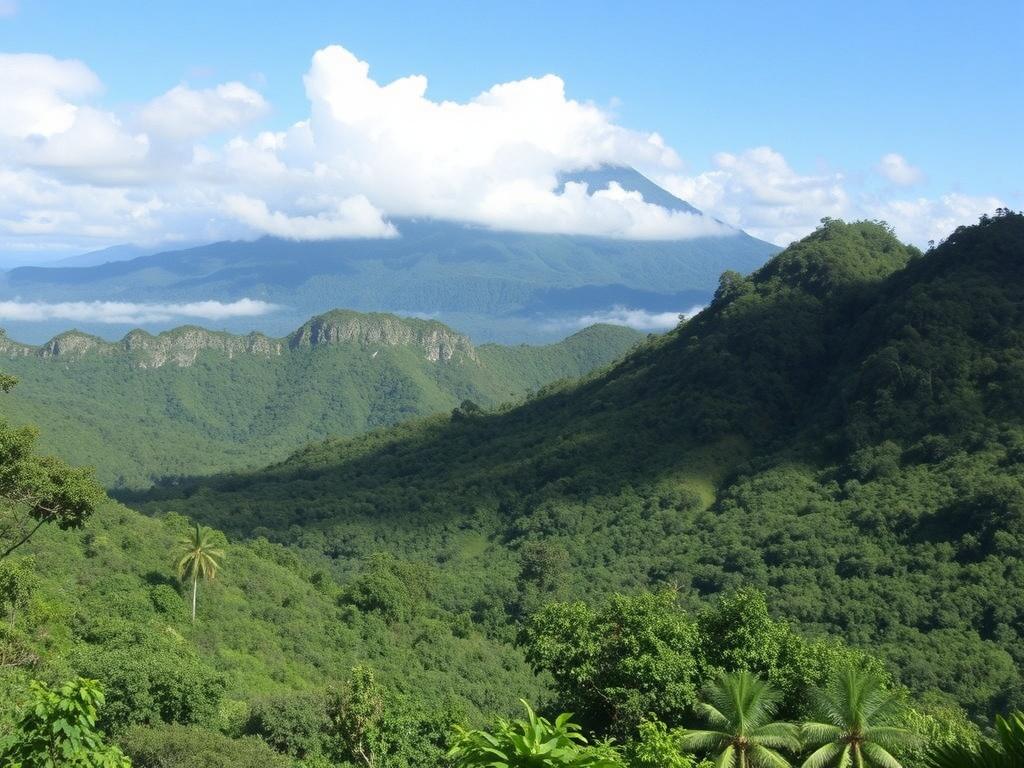
Tourism can both help and harm conservation. The key is balance: controlled access, fair distribution of benefits, and continuous monitoring. Solutions include visitor caps during sensitive periods (e.g., nesting seasons), rotating trails to reduce soil compaction, and ensuring that tourism revenue funds park management and local services. Engaging local people in planning ensures policies are grounded in community needs.
Stories from travelers: personalizing the experience
Many travelers report life-changing moments in Costa Rica: spotting a quetzal in a cloud forest, participating in a midnight turtle patrol, hearing a howler monkey chorus at dawn, or sharing meals with a host family who transformed a coffee farm into a biodiverse haven. These personal stories underline why eco-tourism matters — it creates emotional connections that fuel advocacy and responsible behavior long after the trip ends.
How you can support Costa Rica from afar
Not everyone can visit often, but there are meaningful ways to support Costa Rica’s eco-tourism mission remotely:
- Donate to reputable conservation organizations that work on the ground.
- Support community cooperatives selling crafts or sustainably produced goods online.
- Promote responsible travel practices on social media and in your networks.
- Support policies in your own country that reduce carbon emissions and protect biodiversity globally.
These actions amplify the impact of local efforts and help create international pressure for continued conservation funding.
Conclusion
Costa Rica’s eco-tourism success is neither accidental nor perfect — it’s the product of decades of policy choices, community leadership, scientific research, and entrepreneurial innovation. From protected parks and community homestays to certified eco-lodges and turtle protection programs, the country offers models that demonstrate tourism can fund conservation, enrich local cultures, and provide unforgettable experiences — when managed with transparency, local benefits, and ecological humility. If you plan a trip or simply want to support conservation from afar, the most important choices are straightforward: favor operators and accommodations with a clear sustainability record, respect wildlife and local customs, and think of your travel dollars as investments in a future where nature and people thrive together.