The story of Spanish and Portuguese colonization reads like a grand, messy novel—full of ambition, invention, violence, adaptation, and surprise endings that still shape our daily lives. If you’ve ever listened to Spanish music, walked through a Latin American city, eaten feijoada, or heard the word “mestizo,” you’ve experienced echoes of these two Iberian empires. Let’s take a long, curious stroll through the history, the cultural exchanges, the economic systems, and the human consequences of Spanish and Portuguese colonization, and see how their influence rippled across continents and centuries.
At the center of this tale are two small countries on Europe’s western edge that set out to explore the world and wound up remaking vast regions of it. The Portuguese, first to the sea, carved a path around Africa to Asia and claimed Brazil almost by accident. The Spanish, fueled by the discovery of the Americas, built enormous colonial systems in the Americas and the Pacific. Their legacies are complicated: languages and religions that spread widely, economies reorganized around new commodities, cities planned in colonial grids, novel legal systems, and tragically, demographic collapse and forced labor for indigenous peoples and Africans. Yet these empires also sparked creoles, mixed cultures, and surprising innovations that define societies today.
I’ll walk you through the key moments, the everyday changes, and the long-term effects of both empires. We’ll compare and contrast, use examples from Mexico, Peru, Brazil, and the Philippines, and touch on art, architecture, law, and cuisine. Along the way, I’ll offer tables and lists to make the complex more digestible and highlight what still matters now.
Where It All Began: Motives, Means, and Early Voyage
In the fifteenth century, Europe was hungry for new trade routes, spices, and wealth. Portugal, blessed with a long Atlantic coastline and maritime tradition, invested in navigation, cartography, and small ocean-going vessels. Prince Henry the Navigator sponsored voyages down Africa’s coast, which eventually led to the sea route to India. Spain, a bit later and united by the marriage of Ferdinand and Isabella, supported Christopher Columbus, who in 1492 stumbled into the Americas while seeking a western route to Asia.
These initial voyages were driven by a mix of motives: economic gain, religious zeal, geopolitical ambitions, and curiosity. The competing European powers watched and learned. They carried guns, germs, and a hunger for land and labor. Technology—better ships, navigation techniques, and maps—gave these small kingdoms disproportionate power. And once European diseases reached the Americas, they devastated indigenous populations who had no immunity, changing the balance of power in ways no one had planned.
Different Strategies, Different Worlds
Although Spain and Portugal were neighbors and both Catholic, their colonial strategies diverged in important ways. Spain focused on territorial conquest and mining in the Americas, establishing viceroyalties and extracting silver and gold. Portugal built trading posts along African, Asian, and Brazilian coasts, later shifting to plantation agriculture and sugar in Brazil. Spain’s empire was territorial and bureaucratic; Portugal’s was initially maritime, commercial, and dispersed, before consolidating around Brazil.
Think of Spain as building a vast administrative machine across contiguous landmasses in the Americas, while Portugal assembled a global trading network connected by ships and ports, with Brazil emerging as its major territorial colony.
Colonial Administration and Law: Organizing Empire
Spain and Portugal exported not only conquerors but legal and administrative systems that would be foundations for modern states in their colonies.
Spanish Bureaucracy: Viceroyalties and Audiencias
Spain established viceroyalties—New Spain (centered in Mexico) and Peru were early examples—headed by royally appointed viceroys. These were vast administrative units combining military, judicial, and fiscal powers. The Crown also created audiencias (high courts) to administer justice and check local officials. Over time, local elites, many of mixed descent, began to participate in municipal governments called cabildos.
The Spanish legal system, including laws such as the Laws of the Indies, regulated everything from town planning to indigenous rights (even if enforcement was often weak). These laws attempted to balance royal authority, colonial wealth extraction, and a paternalistic stance toward indigenous peoples.
Portuguese Governance: Captaincies and Royal Expansion
Portugal initially experimented with hereditary captaincies—large strips of land granted to nobles who would govern and develop them. Most captaincies failed, and the Crown later centralized authority with a governor-general system, especially in Brazil. Portuguese administration was less uniform and often more flexible than Spanish colonial governance, shaped by the realities of a vast, sparsely populated territory and a dispersed network of trading posts.
Both imperial systems produced hybrid institutions as local elites, missionaries, and frontier communities adapted metropolitan rules to new circumstances.
Economic Systems: Mining, Plantations, and Trade
If you want to understand how colonization shaped modern economies, follow the commodities. Silver, sugar, cacao, tobacco, and gold drove policies, migration, and the rise of global trade routes.
Spanish America: Silver and the Global Economy
The discovery of rich silver deposits at Potosí (in present-day Bolivia) and Zacatecas (in Mexico) transformed the world economy. Spanish America produced enormous quantities of silver that flowed to Spain and then across the Atlantic and Pacific. Much of that silver ended up in Asia, particularly China, which accepted silver in exchange for silk and porcelain. This interconnected Atlantic-Pacific flow helped create the first truly global economy.
Mining required labor. Spain relied on a variety of systems: encomienda (a system that bound indigenous labor to colonists), repartimiento (a rotating labor draft), and later African slavery in certain contexts. Silver reshaped social hierarchies and created boom-and-bust regional economies, where towns like Potosí ballooned with wealth but also suffered exploitation and environmental damage.
Portuguese Brazil: Sugar, Slavery, and Plantations
In Brazil, sugar was the king crop of the early colonial period. Sugar plantations required large labor forces and capital investment in mills and infrastructure. This economic model led to a massive importation of enslaved Africans. Over time, coffee and later rubber and other commodities further integrated Brazil into world markets. The plantation economy created enduring social stratification and a strong Afro-Brazilian cultural legacy.
Below is a table that highlights differences and similarities in the economic bases of Spanish and Portuguese colonies.
| Aspect | Spanish Colonies | Portuguese Colonies |
|---|---|---|
| Main early commodities | Silver, gold, cacao, cochineal | Sugar, brazilwood, later coffee and rubber |
| Labor systems | Encomienda, repartimiento, African slavery | Plantation slavery, enslaved African labor predominant in Brazil |
| Trade patterns | Atlantic silver flows, Pacific galleon trade | Maritime trading posts across Africa, Asia, and Brazil |
| Urban development | Rapid urban growth around mining and administrative centers | Coastal settlements and plantation towns; slower interior development |
Religion, Culture, and Language: Assimilation, Adaptation, and Syncretism
One of the most visible legacies of Iberian colonization is the spread of Spanish and Portuguese languages, Catholicism, and blended cultural practices.
Missionary Work and Religious Conversion
Catholic missionaries—Franciscans, Dominicans, Jesuits—played central roles in colonization. They learned indigenous languages, established missions, and aimed to convert native populations. Missions often became centers of education, craft production, and agricultural experimentation. In many regions, missionaries protected indigenous communities from the worst excesses of colonists, while also imposing European religious practices and social norms.
But conversion was rarely a one-way street. Indigenous peoples adapted Christian rituals, merging them with native beliefs and cosmologies. The result was syncretic religious forms visible in festivals, iconography, and everyday practice across Latin America and in places like the Philippines.
Language Spread and Transformation
Spanish and Portuguese spread rapidly, becoming dominant languages in the Americas. Yet indigenous languages persisted and influenced the colonial tongues. Many indigenous words entered Spanish and Portuguese vocabulary—words for foods, local plants, and cultural practices—creating hybrid linguistic landscapes. Today, indigenous languages like Quechua, Nahuatl, Guarani, and many Brazilian indigenous languages survive alongside Portuguese and Spanish, shaping regional identities.
Art, Music, and Everyday Culture
Colonial artistic production fused European techniques with local materials and motifs. Churches and cathedrals showcased baroque art adapted to local tastes; handicrafts blended indigenous patterns with European forms. Music similarly merged African rhythms, indigenous melodies, and European harmonies to create genres that eventually evolved into modern styles like samba, salsa, and other Latin music traditions.
Urban Planning, Architecture, and the Built Environment
One legacy you can literally walk through is colonial urban design. The Laws of the Indies, a set of Spanish royal ordinances, detailed how new towns should be planned. The grid layout—central plaza, cathedral, government buildings, and market streets—became a template for cities across Spanish America. This orderly design was practical for defense, administration, and social control, but it also shaped civic life for centuries.
Portuguese cities, such as Salvador and Recife in Brazil, developed differently, often shaped by coastal geography and port needs. Colonial architecture—churches, forts, manor houses—combined European styles with local materials and techniques. Over time, these colonial urban centers became the political and cultural hearts of new nations.
Examples of Colonial Urban Features
- Central plazas serving as social and administrative hubs
- Grid street plans facilitating movement and markets
- Baroque churches with local artistic elements
- Fortifications protecting ports and mining centers
Demographics and Social Change: Collapse, Mixing, and New Identities
Perhaps the most profound consequences of colonization were demographic and social. The arrival of Europeans and Africans transformed the population makeup of entire continents.
Demographic Collapse and Its Consequences
In the decades after contact, diseases like smallpox, measles, and influenza caused catastrophic declines in indigenous populations—some estimates suggest mortality rates up to 90% in certain regions. This depopulation reshaped labor systems, led to the abandonment of entire regions, and altered ecological practices (for example, reforestation in depopulated areas).
Mestizaje and New Social Orders
Where population decline left space, new demographic groups emerged. Interracial unions—whether voluntary or coerced—between Europeans, indigenous peoples, and Africans produced mixed populations (mestizos, mulattoes, zambos) and created complex caste systems that ranked people by descent and social status. Over generations, these mixed identities forged new national cultures, languages, and political movements. The idea of mestizaje became central to national identities in countries like Mexico and Peru, while in Brazil, the ideology of racial mixing played different and complex roles in national discourse.
Resistance, Revolts, and the Path to Independence
Colonial rule was contested from the start. Indigenous uprisings, maroon communities (settlements of escaped enslaved people), and slave revolts consistently challenged imperial authority.
Notable Indigenous and Popular Uprisings
- The Pueblo Revolt (1680) in present-day New Mexico successfully expelled Spanish settlers for over a decade.
- Túpac Amaru II’s rebellion (1780–1781) in the Andes challenged colonial taxation and forced labor practices and had wide-reaching social consequences.
- Numerous quilombo communities in Brazil, such as Palmares, resisted Portuguese control for decades.
These uprisings reflected not only opposition to mistreatment but also the persistence of indigenous political traditions and the ability of diverse groups to form coalitions.
Independence Movements and Nation-Building
By the late eighteenth and early nineteenth centuries, ideas from the Enlightenment, the American and French revolutions, and local grievances about taxes, trade restrictions, and social hierarchies sparked independence movements. Leaders from Simón Bolívar to José de San Martín in Spanish America, and from Tiradentes to Dom Pedro in Brazil, led campaigns that created new states. The outcomes and paths to independence varied: in Spanish America, many republics formed after protracted wars; in Brazil, independence took a relatively peaceful path with Dom Pedro declaring Brazil an independent empire in 1822.
The post-independence period did not instantly undo colonial legacies. Landholding patterns, social stratification, racial hierarchies, and institutional frameworks often persisted, shaping the long nineteenth-century in the new nations.
Slavery and the African Diaspora: Human Cost and Cultural Contributions
There is no discussing Iberian colonization without confronting the brutal reality of the transatlantic slave trade. Millions of Africans were forcibly transported to Spanish and Portuguese colonies to work in mines and plantations. The human cost was enormous: lives lost during capture, the Middle Passage, and harsh labor conditions.
Yet, African cultures profoundly shaped colonial societies. Religion, music, cuisine, language, and social practices from African communities blended with European and indigenous elements to create vibrant, resilient cultures. From Afro-Brazilian religions like Candomblé to Afro-Caribbean music and culinary traditions, the African diaspora’s contributions are integral to modern Latin American culture.
Comparative Legacies: What Spain and Portugal Left Behind
Even though both empires were Iberian and Catholic, their legacies are distinct in several ways. Here’s a compact list to help summarize:
- Languages: Spanish dominates much of continental Latin America; Portuguese remains the language of Brazil and shapes its national culture.
- Religion: Catholicism is a major shared legacy, though local syncretic practices persist.
- Legal and administrative institutions: Spanish viceroyalties influenced strong centralized bureaucracies; Portuguese colonial practices were often more decentralized but eventually produced powerful national institutions in Brazil.
- Economic patterns: Spanish colonies often structured around mining and extractive industries; Portuguese Brazil emphasized plantation monoculture.
- Demographics: The scale and timing of African slavery, indigenous population decline, and patterns of migration created different racial and social compositions across regions.
These differences explain why Latin America is not monolithic despite shared colonial roots.
Modern Echoes: Politics, Law, and National Identity
Colonial-era institutions have stamina. Land tenure systems, bureaucratic frameworks, and legal codes built in colonial times often informed the structure of modern governments. Catholic institutions, educational systems set up by religious orders, and language policies shaped public life. Debates about indigenous rights, land reform, and racial inequality remain entangled with colonial history.
Furthermore, colonial architecture and urban layouts continue to define city life—from Mexico City’s zócalo to Salvador’s Pelourinho—offering museums, tourism economies, and contested spaces where history is remembered and reinterpreted.
Case Studies: Mexico, Peru, Brazil, and the Philippines
Looking at specific places helps bring abstract themes into focus.
Mexico (New Spain)
Mexico’s colonial history centers on the conquest of the Aztec Empire and the establishment of New Spain. Spanish colonial rule reorganized indigenous systems of tribute and labor into Spanish institutions, while Mexico City became a hub for silver shipping to Spain and the Manila Galleon trade to Asia. Indigenous languages and traditions persisted, blending with Spanish Catholicism to form a unique Mexican culture. Mexico’s independence movement in the early nineteenth century gave rise to a republic grappling with land distribution, indigenous rights, and political instability.
Peru (Viceroyalty of Peru)
Peru’s colonial story is dominated by the Inca Empire’s fall and the exploitation of Andean silver at Potosí. The mita labor draft system, adapted from Inca practices, was used to extract large amounts of silver, especially at Potosí. The Andes became a region where Spanish and indigenous cultures collided, producing deep layers of mestizaje, persistent indigenous identities, and recurring social unrest that influenced modern Peruvian politics.
Brazil
Initially a peripheral colony focused on brazilwood extraction, Brazil’s economic center shifted to sugar, dominated by African slavery. The colony produced a diverse cultural landscape, with strong Afro-Brazilian traditions in religion, music, and cuisine. Brazil’s path to independence was distinct: it became an empire under Dom Pedro rather than a republic formed by revolutionary elites, and slavery persisted longer there than in many Spanish American territories.
The Philippines
Although geographically in Asia, the Philippines fell under Spanish control and became part of the trans-Pacific Spanish empire. It served as a crucial hub for the Manila Galleon trade between Asia and the Americas. Spanish rule introduced Catholicism widely, restructured local polities, and integrated the islands into global trade networks, leaving a lasting linguistic and religious imprint.
Environment and Ecology: Columbian Exchange and Ecological Transformations
Colonization reshaped biodiversity across the globe. The Columbian Exchange describes the massive transfer of plants, animals, and diseases between the Old and New Worlds. Crops from the Americas—maize, potato, tomato, cacao—spread worldwide, fueling population growth in Europe, Africa, and Asia. Conversely, Old World livestock, wheat, and invasive species transformed American landscapes and indigenous agricultural practices. These ecological changes had long-term effects on diets, economies, and environments.
Environmental Consequences of Colonial Economies
– Mining left scars on landscapes, polluted waterways, and caused deforestation.
– Plantation agriculture fostered monocultures that altered soil and local ecosystems.
– The influx of European livestock changed grazing patterns and land use.
Understanding these environmental legacies is crucial when confronting modern challenges like deforestation, soil depletion, and climate resilience in former colonies.
Education, Intellectual Life, and the Spread of Ideas
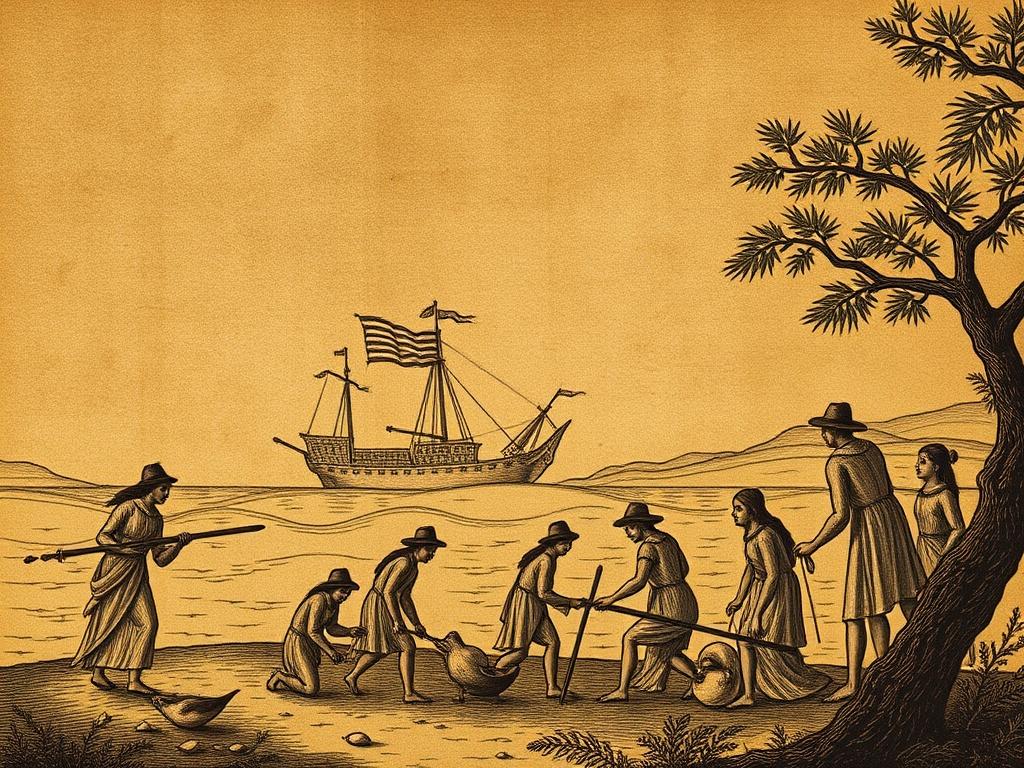
Colonial institutions included schools, universities, and printing presses. The University of Mexico (UNAM) and the University of San Marcos in Lima are among the oldest in the Americas, formed under Spanish influence. While these institutions often served elite, male populations, they nonetheless transmitted European scientific, legal, and theological knowledge, and later became hubs for reformist and independence ideas. In Brazil, the late emergence of higher education shaped intellectual life differently, but missionary and elite education still played major roles in forming local elites.
Intellectual Hybridity
Colonial societies gave rise to thinkers who combined European ideas with local realities. Creole elites, mestizo intellectuals, and indigenous chroniclers contributed to a vibrant intellectual culture that eventually fed independence movements and national narratives.
Memory, Museums, and Reconciliation
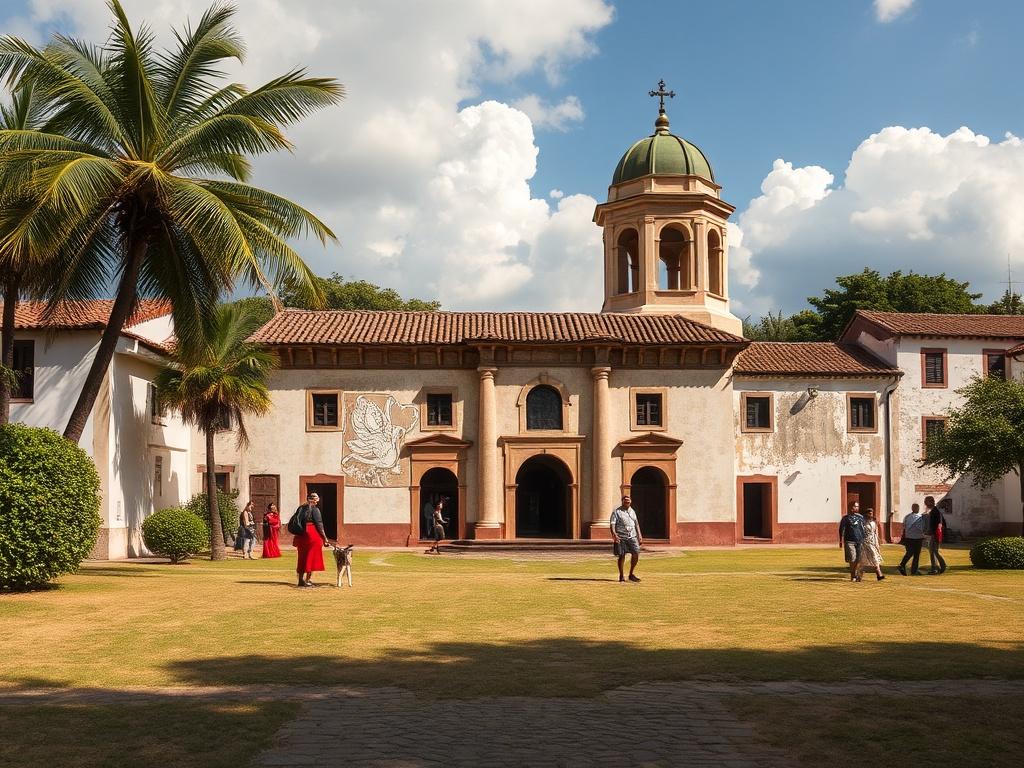
How do societies remember colonization today? Museums, public monuments, and school curricula shape collective memory. In some places, colonial monuments are contested, removed, or reinterpreted. Indigenous and Afro-descendant movements press for recognition of historical injustices—land dispossession, slavery, and cultural erasure—while many national narratives also celebrate syncretic cultures born of colonial encounters.
Efforts at reconciliation vary: land restitution programs, legal recognition of indigenous territories, and cultural revitalization projects all seek to address colonial legacies, though progress is uneven and often politically fraught.
Practical Table: Colonial Legacies and Modern Policy Challenges
| Colonial Legacy | Modern Challenge | Policy Area |
|---|---|---|
| Land concentration from colonial grants | Rural inequality and agrarian unrest | Land reform, rural development |
| Racial hierarchies and social stratification | Inequities in education and employment | Affirmative policies, inclusive education |
| Urban centers based on colonial grids | Crowded historic centers and tourism pressures | Urban planning, heritage conservation |
| Legal systems rooted in Iberian law | Need for legal modernization and accessibility | Judicial reform, legal aid |
Why It Still Matters: Everyday Traces You Might Miss
Colonial influence isn’t confined to museums or history books. It’s in street names, legal codes, family languages, religious calendars, food on your plate, music on the radio, and the very layout of city squares. It’s in the demographic mix that creates vibrant cultures and also in unresolved inequalities that shape politics.
When you sip a cup of coffee from Brazil, marvel at baroque churches in Lima, enjoy a Mexican mole, or hear Portuguese in Lisbon and Brazil, you’re experiencing a long chain of history that began with voyages from small Iberian ports and unfolded across oceans and continents.
Final Thoughts Before the Conclusion
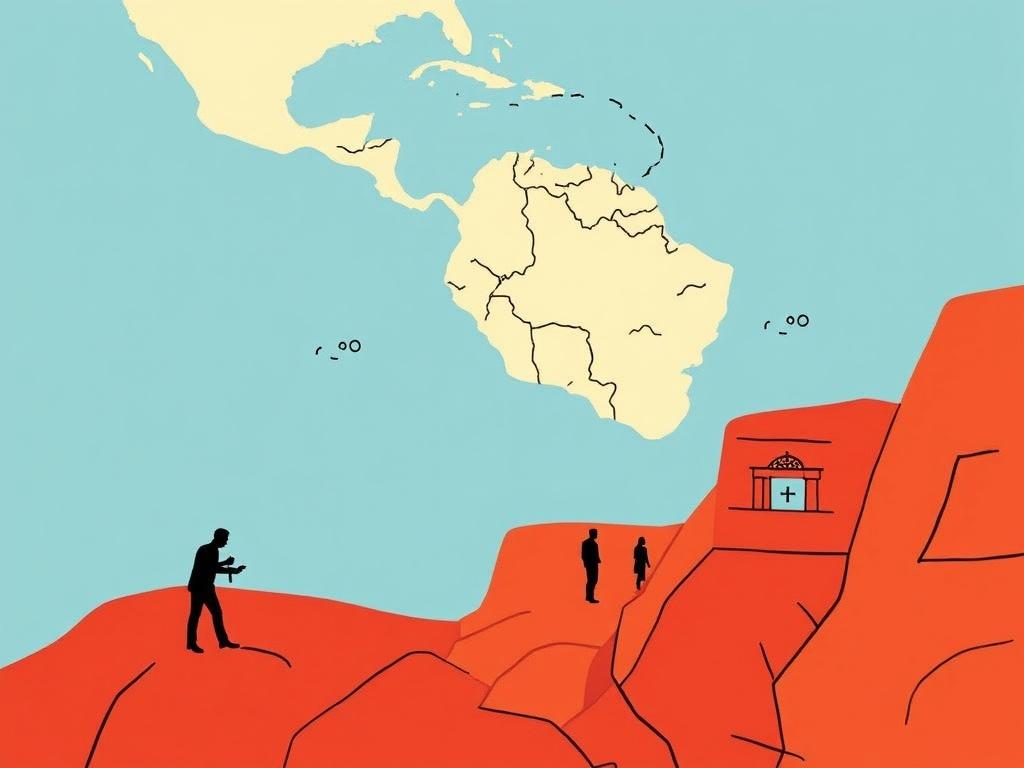
The story of Spanish and Portuguese colonization is not a single story. It’s a mosaic of episodes: triumph and tragedy, innovation and exploitation, cultural blending and stubborn continuity. The empires exported institutions and systems that modern nations adapted, resisted, and reshaped. The human cost was immense, especially for indigenous peoples and enslaved Africans, and that trauma echoes today. Yet from those painful encounters emerged creative resilience, new cultures, languages, and identities that are foundational to nations across the globe.
Understanding this layered history helps us recognize why social problems often have deep roots and why cultural treasures are so rich and so contested. It also allows us to appreciate how interconnected the world became—centuries before globalization became a buzzword—through silver, sugar, ships, and human migrations.
Conclusion
The influence of Spanish and Portuguese colonization is vast and nuanced: it remade demographics, economies, languages, religions, cities, and cultures across continents; it created both enduring injustices and vibrant hybrid identities; and it laid down institutions that persist in modern law, governance, and everyday life. To study these empires is to trace the origins of many contemporary challenges and beauties—unequal land ownership and powerful cultural syntheses, legal frameworks and resilient indigenous practices, global trade networks and local adaptations. The past is not a closed book but a continuing conversation, and by understanding how colonization shaped our world, we gain tools to build more informed, just, and creative futures.