The Pantanal is one of those places that feels like nature turned up to full volume. Spread across Brazil, with portions in Bolivia and Paraguay, this vast tropical wetland is a mosaic of lakes, rivers, marshes, and seasonally flooded grasslands that support an astonishing variety of life. If you imagine standing on a riverbank and watching a jaguar slip into the shallows while flocks of colorful birds wheel above and capybaras graze nearby, well—you’re not far from the truth. In this guide I’ll walk you through the wildlife, the seasons, the best ways to see animals with respect, and what’s being done to protect this extraordinary landscape. You’ll get practical tips, vivid descriptions, and the big-picture context that helps make a trip to the Pantanal both rewarding and responsible.
Why the Pantanal Is So Rich
Part of what makes the Pantanal so biodiverse is its rhythm. Every year the water rises and falls, sweeping nutrients across the floodplain and creating dynamic habitats that change from month to month. During the wet season, rivers overflow and the entire landscape becomes a shallow lake with islands of trees and floating vegetation. When the dry season arrives, water recedes into channels and ponds, concentrating fish and drawing mammals, birds, and reptiles to predictable watering holes. That seasonal pulse is a natural magnet for wildlife and for people who want to observe it.
Another big reason is the Pantanal’s location. It sits at the intersection of several South American biomes—the Amazon, the Cerrado, the Atlantic Forest, and the Chaco—so species from different ecosystems overlap here. The result is a mix of animals you won’t find together anywhere else. Add to that relatively low human density compared to many parts of Brazil, and you have the conditions for spectacular wildlife encounters.
Understanding Pantanal Habitats
To appreciate the wildlife, it helps to understand the main habitat types you’ll encounter. This isn’t an exhaustive scientific breakdown, but think in terms of a few key environments that are straightforward to spot and which explain why certain animals are where they are.
Floodplain Grasslands and Pastures
These wide-open areas are the most visible face of the Pantanal. In the dry season, tall grasses and scattered palm patches host grazing animals like capybaras and deer. During floods many of these areas are underwater, turning into feeding grounds for wading birds and fish-eating raptors.
River Channels and Lakes
The river system is the lifeblood of the Pantanal. Rivers like the Cuiabá, Paraguay, and São Lourenço carve channels that support fish populations, crocodilians, and aquatic mammals. Jaguars are often photographed along riverbanks because that’s where they hunt caimans and capybaras.
Seasonally Flooded Forests
Tall trees rising out of floodwaters form gallery forests and riverine woodlands. These habitats are great for spotting monkeys, toucans, and woodpeckers, and they provide nesting sites for many bird species.
Permanent Wetlands and Várzea
Some lagoons and marshes hold water year-round and harbor specialist species, such as certain fish, aquatic turtles, and wading birds that nest on floating vegetation.
Iconic Mammals: Big and Small
The Pantanal’s mammal list reads like a naturalist’s wishlist. From stealthy predators to hyper-social herbivores, the variety and density are remarkable.
Jaguars: The Unmistakable Stars
If there’s one animal that symbolizes the Pantanal, it’s the jaguar. These powerful cats are more frequently seen here than in many other parts of their range, largely because the riverbanks concentrate prey. Jaguars in the Pantanal often hunt caimans, take advantage of flooded grasslands, and are sometimes observed swimming between islands. Spotting a jaguar can be a once-in-a-lifetime moment, but it’s important to be patient, respectful, and to seek out guides who follow ethical viewing practices.
Giant Otters and Neotropical Otters
Giant otters are social, noisy, and charismatic—watching a family hunt and play on a river is a real treat. They are diurnal and often seen on rivers and lakes where fish are abundant. Smaller neotropical otters are secretive but present in the region as well.
Capybaras: The Gentle Giants of the Marsh
Capybaras are ubiquitous and fascinating. As the world’s largest rodents, they move in groups and are central to the Pantanal food web—prey for jaguars, caimans, and anacondas, and a source of interest for birdwatchers because they host a range of birds that pick insects from their fur.
Pumas, Ocelots, and Other Cats
Pumas (also called cougars) are present, although they tend to be more elusive. Smaller cats like ocelots and margays inhabit forested areas and are nocturnal or crepuscular. Each species has different preferences for prey and habitat, so local guides can often point you toward the best places to see each one.
Tapirs, Deer, and Anteaters
The lowland tapir is a large, shy browser that prefers forested edges. Marsh deer and other cervids graze on the floodplain, and giant anteaters roam in search of ants and termites. These species add to the mammal diversity and illustrate how different feeding strategies are supported by the Pantanal’s mosaic of habitats.
Birdlife: A Sky Full of Color
Birdwatchers often consider the Pantanal a bucket-list destination. Its combination of abundant water, fish, and open space creates spectacular avian displays. Whether you’re into raptors, wading birds, parrots, or tiny songbirds, there’s something here to delight you.
Hyacinth Macaws and Parrots
The hyacinth macaw is one of the most iconic birds of the region—its cobalt feathers and strong beak are unforgettable. These parrots feed on palm nuts and often nest in cavities or dead trees. Other parrot species include various Amazons and parakeets, which brighten the skies with noise and color.
Wading Birds and Storks
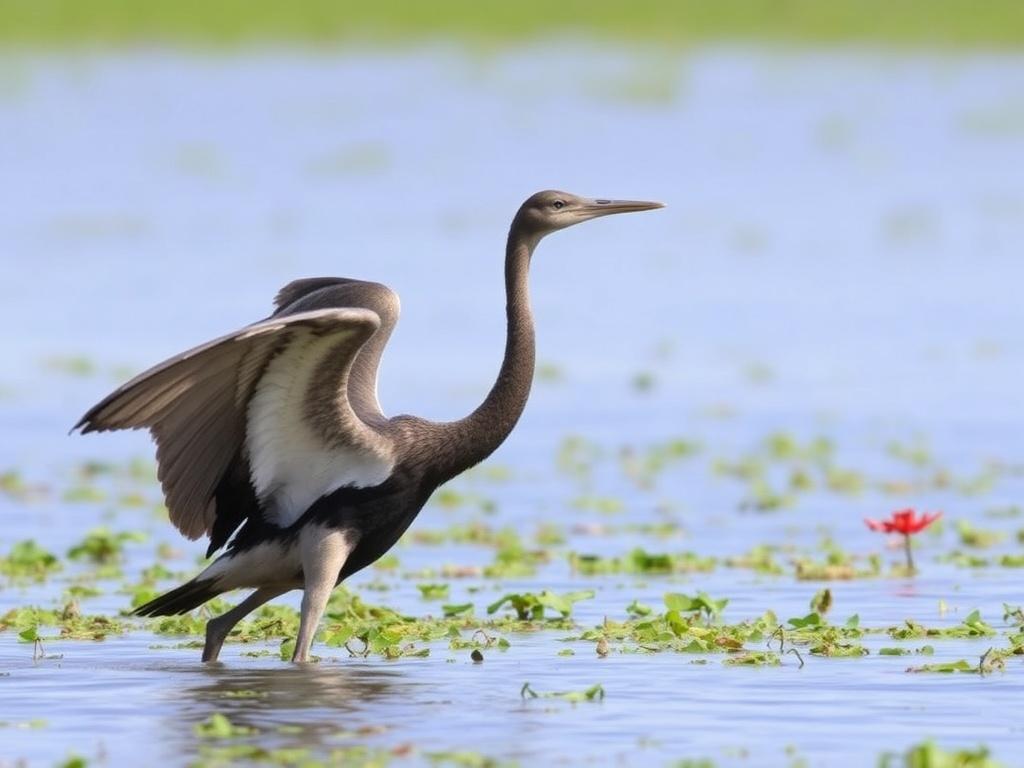
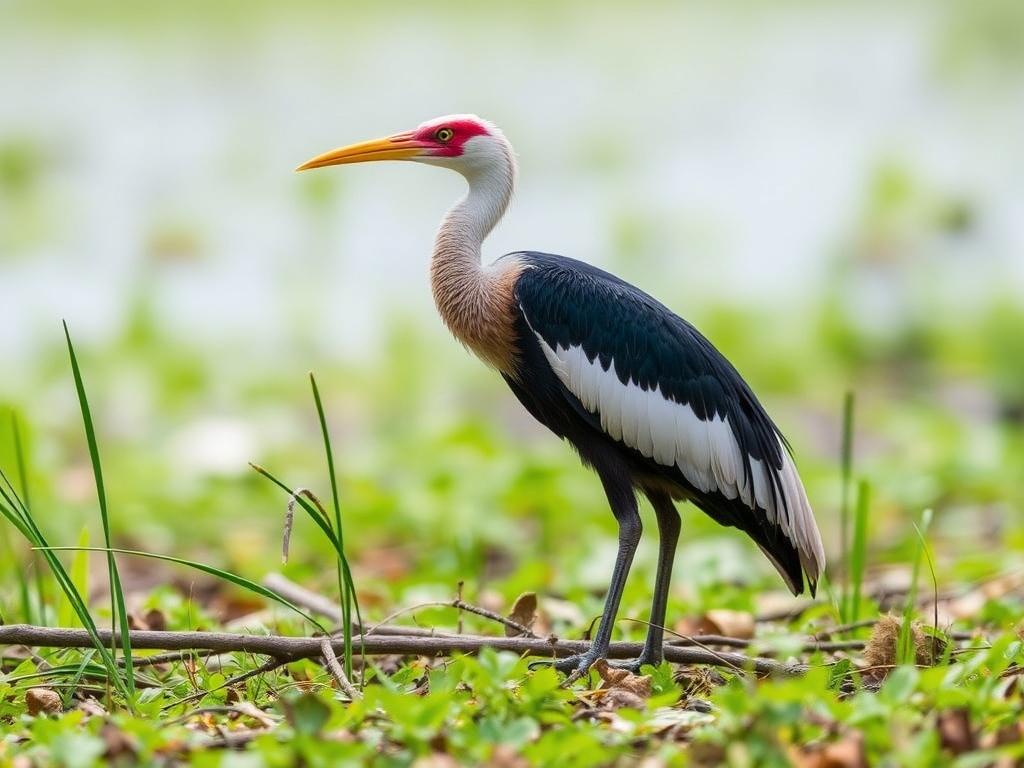
Wading birds are abundant: jabirus stand like living sculptures in shallow water, while roseate spoonbills and herons add streaks of pink and white. The concentration of fish in ponds and lakes during the dry season draws these birds into large flocks, creating dramatic feeding scenes.
Raptors and Fish-Eaters
The snail kite is a specialist raptor found where apple snails thrive. Kingfishers and osprey are common near rivers, and several hawks and eagles patrol the skies for small mammals and birds. The diversity of prey supports an equally diverse set of predators.
Smaller Birds and Forest Dwellers
In forested patches you’ll find toucans, woodpeckers, antbirds, and a host of smaller species that prefer the understory. Some are more easily heard than seen; learning to listen for calls dramatically increases your chances of noticing them.
Reptiles and Amphibians: Survivors of Flood and Fire
Reptiles thrive in the warm Pantanal climate, and amphibians take advantage of the seasonal pools and flooded vegetation for breeding.
Caimans and Crocodilians
Several caiman species are common, including black caiman and broad-snouted caiman. These predators are central to the aquatic food web and are often seen basking on riverbanks or cruising just under the surface. During boat trips at dusk and dawn you may witness them hunting or vocalizing.
Anacondas and Snakes
Large snakes like anacondas use the wetlands as hunting grounds for mammals, birds, and fish. Other snakes—both venomous and non-venomous—occupy the floodplain and its margins. Most snakes are secretive and are seen only occasionally, but know that they are present and play essential ecological roles.
Frogs, Toads, and Toadlets
The wet season is the loud season for amphibians. Pools and flooded grasses host calling frogs that attract predators and make the night chorus one of the Pantanal’s most atmospheric experiences.
Fish and Aquatic Life
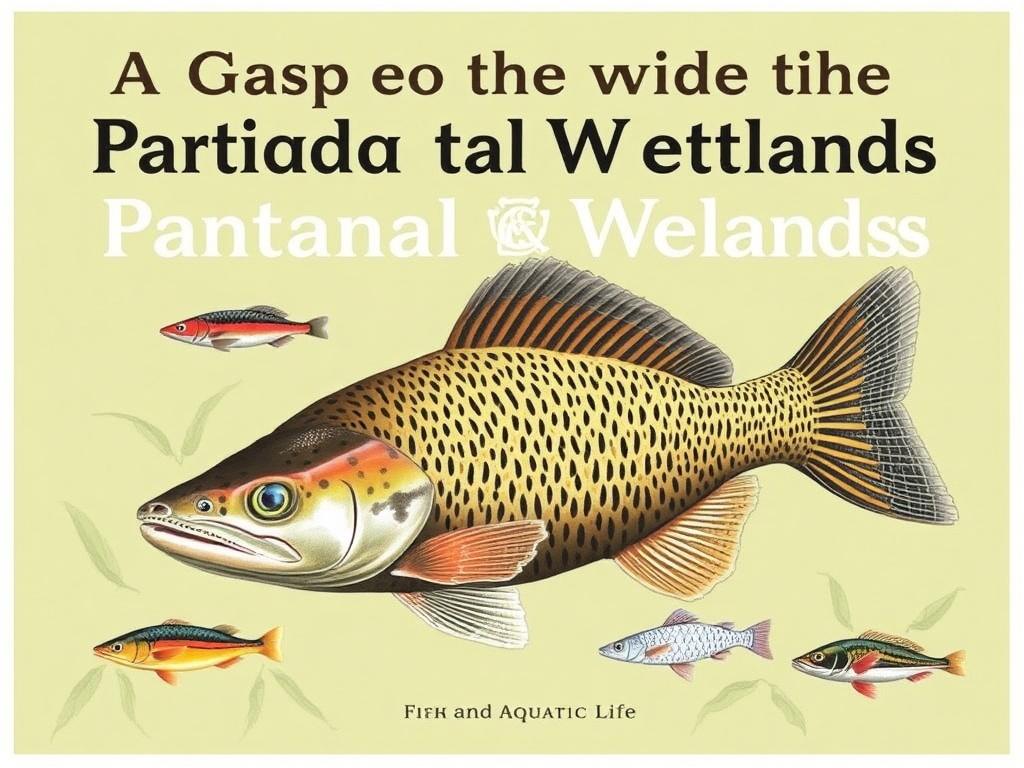
The Pantanal’s fisheries are robust and varied, supporting both wildlife and local livelihoods. Fish are crucial prey for birds, mammals, and reptiles.
Predatory Fish and Ecological Roles
Species such as piranhas, catfish, and dorado are significant predators and scavengers, helping to cycle nutrients through the system. Fish numbers fluctuate wildly with the seasons, and their migrations between floodplain and river channels are phenomena to behold.
Aquatic Invertebrates and Food Chains
It’s easy to forget the tiny creatures that underpin the entire system: crustaceans, snails, and insect larvae are abundant and feed birds, fish, and amphibians. Apple snails, for example, are a key food source for snail kites and other specialized predators.
Plants: Trees, Grasses, and Floating Vegetation
Plant life in the Pantanal ranges from floating mats of water plants to tall trees in gallery forests. The seasonal flooding shapes plant communities, and certain plants are keystone species.
Palm Groves and Flood-Tolerant Trees
Palm species are important for parrots and for the fruit that feeds mammals. Flood-tolerant trees line riverbanks and provide nesting sites and shade, maintaining microhabitats for a suite of species.
Grasses and Seasonal Meadows
The tall floodplain grasses are crucial grazing habitat for herbivores and nesting sites for ground-breeding birds. During the wet season these become temporary lakes that support an explosion of aquatic life.
Floating Vegetation and Wetland Engineers
Floating mats of vegetation create nesting platforms and shelter for fish and invertebrates. These living islands are dynamic and change as water levels rise and fall.
Where to See Wildlife: Regions and Hotspots
The Pantanal is big, and different regions offer different experiences. Here’s a quick primer on some of the most wildlife-rich areas and what you can expect there.
- Transpantaneira Road (Northern Pantanal): A long dirt road that cuts through prime floodplain habitat. Look for birds, capybaras, caimans, and occasionally jaguars along the adjacent rivers.
- Porto Jofre and the Cuiabá River: Famous for jaguar viewing—boats cruise rivers and lagoons where cats hunt caimans.
- Nhecolândia (Salt Pans): This southern area is known for pink lakes and flocks of flamingos in certain years; it’s also important for waterbirds and fish being concentrated in saline lagoons.
- Pantanal Matogrossense National Park: Offers protected habitats and is great for seeing a wide array of species with fewer cattle ranch disturbances.
- Southern Pantanal: More seasonal variety and a good place for seeing grassland species and migratory birds.
Best Time to Visit for Wildlife Viewing
Timing your visit makes a big difference. The Pantanal works on a wet-dry schedule that affects animal visibility.
Dry Season (May–October)
This is the classic wildlife season. As water recedes, animals concentrate around permanent rivers and ponds, making them easier to find. It’s also the best time for overland safaris, walking, and photography because dirt roads become passable. Birding is excellent because many species nest or gather in this period.
Wet Season (November–April)
The wet season transforms the Pantanal into a watery wonderland. It’s spectacular for seeing flooded forests, listening to amphibian choruses, and watching breeding behavior—many birds nest and raise chicks then. Some roads and lodges may be inaccessible, and large mammals may be more dispersed, but boat-based tours become extraordinary.
Ethical Wildlife Viewing: How to Make Your Visit Positive
Seeing wildlife is a privilege, and the way visitors behave can help or harm the animals and the communities that depend on them. Here are practical guidelines that help ensure your wildlife experience leaves a positive footprint.
- Choose responsible guides and lodges that follow codes of conduct and respect wildlife.
- Keep a respectful distance—use binoculars and long lenses rather than getting too close.
- Avoid flash photography at night and minimize noise, especially near nests or dens.
- Do not feed wildlife. Artificial feeding disrupts natural behavior and can cause harm.
- Support community-based tourism and locally run conservation projects when possible.
Photography Tips for the Pantanal
If you want great photos, preparation matters. Here are practical tips that work for both hobbyists and pros.
- Bring a telephoto lens (at least 300mm is useful). For smaller birds or shy mammals, 400–600mm is ideal.
- Use a beanbag or monopod for stability during boat trips—tripods are awkward on watercraft.
- Shoot in burst mode for unpredictable animal behavior, and be ready for sudden action.
- Take advantage of golden hours—early morning and late afternoon light is softer and more luminous.
- Keep gear dry and protected. Rain and splash can be frequent during boat-based outings.
How Local People Live with Wildlife
The Pantanal has a long tradition of cattle ranching, and many ranches (fazendas) have become important partners in conservation and ecotourism. Local knowledge is invaluable—ranchers and river guides have spent lifetimes watching seasonal patterns and animal movements. A sustainable future for the Pantanal depends on integrating livelihoods with conservation, and some ranches are proving that low-impact agriculture and tourism can coexist with thriving ecosystems.
Conservation Challenges and Threats
Despite its resilience, the Pantanal faces serious threats that require attention and action.
Deforestation and Watershed Changes
Land use changes upstream—like clearing forests for agriculture and construction of dams—alter the timing and volume of water that reaches the Pantanal. Because the wet-dry cycle is foundational for the ecosystem, changes in hydrology ripple through the entire system.
Agricultural Expansion and Chemicals
Soy plantations, cattle operations, and use of agrochemicals can introduce pollutants and increase sedimentation. Runoff and contamination affect fish, birds, and the overall food web.
Wildfires
Recent years have seen catastrophic fires that burned huge swathes of the Pantanal. While fires can be natural and part of some savanna systems, the scale and frequency of recent burns—often linked to human activity—are devastating to wildlife and habitat recovery.
Climate Change
Changes in precipitation patterns threaten to disrupt the regular flood pulses that many species depend on. Longer droughts or more intense floods could push already stressed populations over the edge.
What Is Being Done for Conservation
Conservation in the Pantanal is a patchwork of protected areas, private reserves, local stewardship, and international support. Researchers monitor populations, rehabilitation centers rescue injured animals, and community programs work on sustainable livelihoods. Ecotourism, when well-managed, provides financial incentives to preserve habitat and creates visible value for protecting wildlife. The most effective conservation efforts are those that combine science, local engagement, and policy measures to maintain natural hydrological cycles and habitat connectivity.
Practical Tips for Visiting the Pantanal
If you’re planning a trip, here are practical matters that make your visit smoother and more rewarding.
| Topic | Tip |
|---|---|
| Clothing | Bring lightweight, quick-dry clothing, a wide-brimmed hat, and a waterproof layer for sudden rains; neutral colors are best for wildlife viewing. |
| Health | Insect repellent, sunscreen, and basic first-aid are essential. Check vaccination recommendations with a travel clinic before you go. |
| Guides | Hire local guides with strong reputations; they know where animals are and how to watch them responsibly. |
| Transport | Expect a mix of 4×4 roads, river boats, and sometimes small aircraft for remote access; plan for mud during the wet season. |
| Money and Services | Bring cash; remote areas may not accept cards. Lodges vary from basic to very comfortable—choose according to your preferences. |
How to Learn More and Get Involved
If the Pantanal captures your imagination, there are ways to deepen your connection beyond a single trip.
- Support reputable conservation organizations that work on habitat protection and restoration in the region.
- Volunteer for citizen science projects, such as bird counts or camera-trap programs, when appropriate and meaningful.
- Choose ecotourism operators that invest in local communities and conservation, and ask about how your fees are used.
- Share stories and respectful images—raising awareness is a powerful tool for conservation.
Field Research and Citizen Science
Increasingly, researchers are collaborating with local guides and visitors to gather data on Pantanal wildlife. Camera traps, acoustic monitors, and sighting logs help scientists track populations, seasonal movements, and responses to environmental pressures. If you’re interested in contributing, inquire with lodges and research groups about ethical ways to participate that don’t disturb wildlife.
Notable Species at a Glance
| Species | Type | Where to See | Interesting Fact |
|---|---|---|---|
| Jaguar | Mammal (big cat) | Riverbanks, especially near Porto Jofre and Transpantaneira | Excellent swimmers; frequently hunt caimans and fish. |
| Giant Otter | Mammal (mustelid) | Rivers and lakes with abundant fish | Live in family groups and use vocalizations to coordinate hunting. |
| Hyacinth Macaw | Bird (parrot) | Palm groves and tree cavities | Largest parrot species by wingspan; feeds on hard palm nuts. |
| Capybara | Mammal (rodent) | Marshes and river margins | Highly social and often seen in family groups. |
| Black Caiman | Reptile (crocodilian) | Larger rivers and deep lagoons | One of the largest predators in the Pantanal aquatic system. |
Stories from the Field: What Encounters Feel Like
You’ll read stratified descriptions and lists throughout this guide, but a few short vignettes capture the Pantanal spirit. Imagine floating silently down a narrow channel at dawn, mist lifting from the water as a heron unfolds its wings and a capybara slides into the shallows. Further ahead, a jaguar—spotted, muscular—steps out onto a sandbar, sniffing the air. Or think of arriving at a lagoon where a cacophony of bright macaws and parrots create an aerial rainbow as they squabble over palm nuts. Nights bring their own magic: frogs chorusing in a rising tide of sound, and the distant roar of a jaguar broken by the plaintive calls of nocturnal birds. These are the moments that imprint themselves on memory.
Responsible Souvenirs and Supporting Local Culture
If you want to take home a memory beyond photos, look for locally made handicrafts that support artisans and communities. Avoid buying wildlife products or anything made from endangered species. Ask about the origin of a product and prefer items that promote sustainable livelihoods, such as handicrafts made from reclaimed materials or purchases linked to community projects.
Final Practical Checklist Before You Go
- Book well in advance during the dry season if you want peak wildlife viewing; lodges fill up.
- Confirm what’s included in your lodge package: meals, transfers, excursions, and equipment like boats.
- Bring binoculars, sun protection, and insect repellent. Consider a small waterproof backpack for daily outings.
- Learn a few basic Portuguese phrases; it enhances interactions and shows respect for local communities.
- Make sure your travel insurance covers remote-area activities and emergency evacuation if needed.
Conclusion
The Pantanal is a living classroom—a place where the interplay of water, land, and life is on full display. Whether you come for jaguars hunting at the water’s edge, for the riot of birds in the sky, or simply to feel the rhythms of a landscape that rises and falls with the seasons, the Pantanal offers unforgettable encounters. Responsible tourism, informed conservation, and respect for local communities are the keys to keeping this wetland healthy for future generations. When you plan a visit, do so with curiosity, patience, and humility; you’ll be rewarded with moments that widen your understanding of how wild systems work and why they matter.