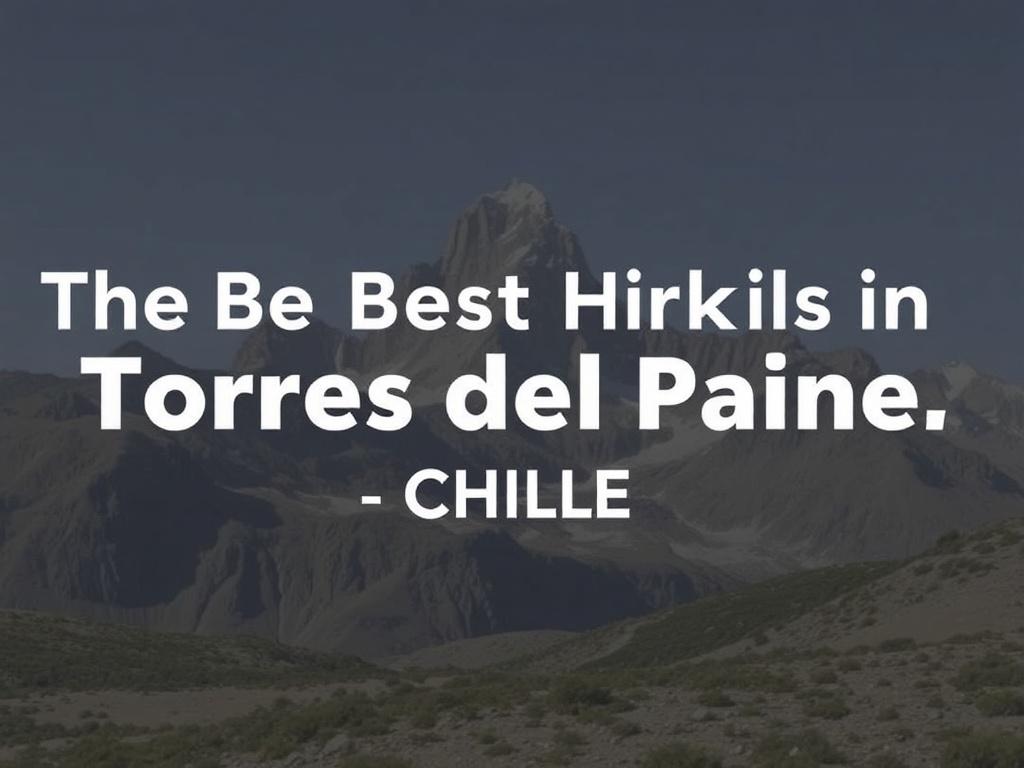
Torres del Paine is one of those landscapes that grabs you the moment you see it: jagged granite spires stabbing into skies that can flip through four seasons in a single afternoon, glaciers that glow an impossible blue, and wind that teaches you humility. If you love long walks that change your sense of scale, or short hikes that reward you with postcard views, this park delivers. In this article I’ll walk you through the very best hikes in Torres del Paine, from the classic W trek to the full O circuit, and the day hikes that fit into any schedule. I’ll also share practical tips—when to go, what to pack, how to sleep—and sample itineraries so you can plan a trip that fits your fitness and curiosity.
There’s a rhythm to trekking in Torres del Paine: early starts, slow coffee breaks while admiring the next turn, and evenings spent swapping stories with other hikers in a refugio or under a tarp. But behind that romance are logistics. Weather, trail conditions, and accommodation availability are real constraints. My aim here is to give you a clear, engaging guide that blends inspiration with practical detail so you arrive prepared and confident.
Why Torres del Paine Is a Hiker’s Paradise
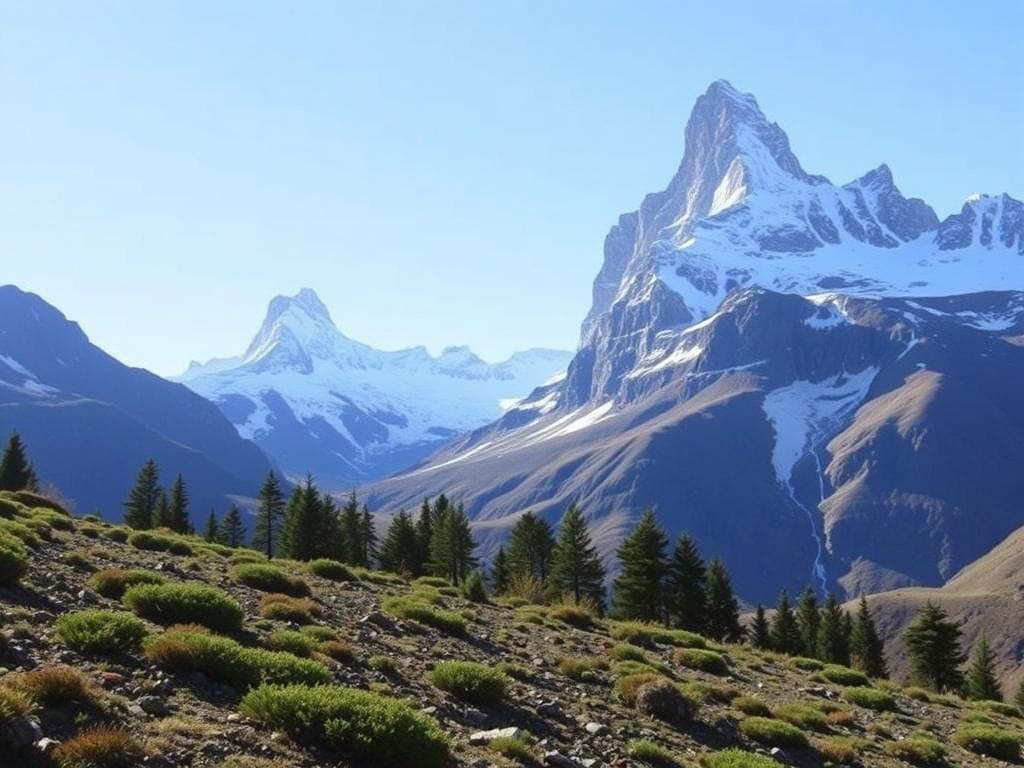
There are many reasons Torres del Paine attracts hikers and photographers worldwide. First, the dramatic topography — granite towers, ice fields, emerald lakes, and lenga forests — creates a diversity of landscapes within a relatively compact area. You can tackle steep rock gullies and then descend to prairies dotted with guanacos in the same day. Second, the park’s trail network is well-established and surprisingly varied: you’ll find multi-day circuits for those who want to go deep, and short day hikes for travelers with limited time.
Third, the human side of trekking here is rich. There are mountain refugios with warm meals and bunk beds, established campsites with basic facilities, and helpful guides who know the best viewpoints. That mix of wildness and infrastructure makes Torres del Paine accessible to adventurous beginners and seasoned backpackers alike. Finally, the wildlife—guanacos, foxes, condors—adds life to the scenery. Seeing a condor winging above a valley or a herd of guanacos grazing at dusk is a memory many trekkers keep forever.
Overview of Main Trek Circuits
There are two circuits people usually talk about: the W trek and the O circuit. Each offers a distinctive experience.
The W Trek
The W is the most famous route. Named for the W-shaped map of its three major valleys, it typically takes 4–5 days, covering the highlights: Base of the Towers, the French Valley, and Grey Glacier. It’s the perfect balance of challenge and reward—longer days but with accessible camping and refugios. The W is the go-to for first-timers who want a concentrated Torres experience without committing to the full O.
The O Circuit
The O circuit (or “full circuit”) wraps around the entire mass of the Paine massif and includes the W route as a section. It usually takes 7–10 days and includes the John Gardner Pass (between the W and the backside of the park), offering more solitude and sweeping views of the Southern Patagonian Ice Field. The O is for people who want to step off the beaten path and stretch their legs—and patience—for longer stretches.
Top Trails and Day Hikes
Below I’ll describe the park’s standout walks. For each trail I’ll cover distance, typical duration, difficulty, highlights, and tips. A comparison table follows to help you decide quickly which hike fits your time and appetite for effort.
Base of the Towers (Mirador Las Torres)
This is the most iconic hike in the park: the view of the three Torres (towers) at sunrise, reflected in a small glacial lake, is unforgettable. The trail starts from the park’s north sector—usually from the Refugio Torre Central or from the park entrance at Laguna Amarga if you take the bus early.
The route climbs steadily through lenga forest, crosses a moraine, and then makes a final steep push up a rocky valley to the viewpoint above the lake. It’s strenuous in the last hour but very doable for hikers with moderate fitness. Typical time: 6–8 hours round trip from the trailhead; distance about 18–20 km round trip, with around 800–900 meters of elevation gain.
Tip: Aim to arrive very early for sunrise photos and softer light. If you’re camping at Torres Central, you can time your departure to hit the viewpoint just as the sky changes. Bring layers and a windproof jacket—winds and cold are common even in summer.
Valle del Francés (French Valley)
The French Valley is one of the most dramatic side trips on the W trek. The trail climbs above the northern shore of the French Glacier-fed lake and spills into a bowl dominated by soaring spires and hanging glaciers. There are several viewpoints; the main one requires a steep detour but pays off with a panoramic bowl view.
Distance and time vary depending on where you begin (many start from the Refugio Paine Grande or Camp Italiano). From Refugio Paine Grande to the viewpoint and back is typically a 6–8 hour day, 18–22 km round trip, with moderate climbs. Difficulty is moderate to challenging if you include the higher viewpoints.
Tip: Weather in the valley can change quickly; clouds can obscure the spires, but sometimes the clouds add atmosphere and dramatic light. If possible, allocate extra time so you don’t rush through the best views.
Grey Glacier and Grey Viewpoints
Grey Glacier terminates in Grey Lake, and the area’s icebergs float and fracture in a constantly shifting tableau. Several viewpoints offer perspectives on the glacier: a closer look involves a walk to the glacier shore from the Refugio Grey area, while riverside lookouts and the Mirador Grey are accessible via shorter walks.
The Paine Grande to Mirador Grey route is a common leg of the W and takes 3–4 hours round trip (12–20 km depending on start point). If you’re keen to see ice up close, consider a guided ice-trekking or boat excursion (seasonal and weather-dependent).
Tip: Photographers love the contrast of aquamarine ice and dark mountains. Bring polarizing lenses if you shoot, and don’t stand too close to the waterline—ice calving and waves are real hazards.
Paine Grande to Refugio Grey (and camp options)
This stretch is a lovely walk along lakeshore and forest. It’s often done as part of the W when traveling west to the Grey side. The path gives different views of the glacier and offers some flat sections for easy walking. Distance: around 8–12 km between Paine Grande and Grey, taking 3–5 hours. Difficulty: easy to moderate.
Tip: There’s a catamaran service in summer that shrinks distances (and offers dramatic water views). Reservations are recommended in peak season.
John Gardner Pass (Paso John Gardner) — O Circuit Highlight
If you’re tackling the full O, the John Gardner Pass is the crown jewel. You cross high saddle country, often with exposed flanks and wind that demands respect. The pass gives sweeping views of the edge of the Southern Patagonian Ice Field and the chance to see the rear of the Paine massif.
This is a long, tough day on the trail—expect significant elevation changes and the highest altitudes on the trek. Crossing typically requires carrying overnight kit if you’re camping on either side. Weather can force route changes or delays. Time: several long days link this pass into the circuit; the pass day alone might be 6–10 hours depending on conditions and route.
Tip: Don’t underestimate the pass. Bring layers, check forecasts, and consider a guided crossing if you’re inexperienced with high-route navigation in unpredictable weather.
Mirador Condor and Mirador Cuernos (Short Day Hikes)
If you have limited time, several shorter hikes still pack a punch. Mirador Condor, reachable from the Laguna Amarga area, offers good views without the full-day commitment. Mirador Cuernos near the Los Cuernos area gives close views of the horn-shaped peaks.
Distance: 1–6 km depending on start; time: 30 minutes to 3 hours. These are perfect for a half-day and great when you want a quick hit of the park’s geometry.
Tip: Short hikes are ideal if your schedule is tight or the weather looks iffy—switching to a shorter route can still leave you satisfied.
Trail Comparison Table
Below is a quick comparison table to help choose a hike based on your time, fitness, and priorities.
| Trail | Distance (approx) | Typical Duration | Difficulty | Highlights |
|---|---|---|---|---|
| Base of the Towers | 18–20 km RT | 6–8 hours | Moderate to hard | Towers sunrise, moraine lake, granite spires |
| Valle del Francés | 18–22 km RT | 6–10 hours | Moderate to hard | Hanging glaciers, panoramic bowl views |
| Grey Glacier / Mirador Grey | 12–20 km RT | 3–6 hours | Easy to moderate | Glacier views, icebergs, lakeshore walks |
| Paine Grande to Grey | 8–12 km | 3–5 hours | Easy to moderate | Scenic lakeshore, refugio access |
| John Gardner Pass (O Circuit) | Varies; pass section ~20–30 km/day | Long multi-day | Hard | Ice field views, solitude, alpine terrain |
| Mirador Condor / Cuernos | 1–6 km | 30 mins–3 hours | Easy | Quick viewpoints, great for limited time |
Best Time to Hike and What Weather to Expect
Summer (December–February) is the busiest season and offers the mildest temperatures and longest daylight hours. Still, Patagonia’s weather is famously temperamental: strong winds are common year-round, and rain and cold spells can occur even in summer. Shoulder seasons (late spring and early autumn) can offer quieter trails and dramatic light but colder nights and reduced services.
Winter (June–August) is for experienced, well-equipped trekkers comfortable with snow, shorter days, and many closures. Some refugios close, and services like catamarans may not run. If you’re chasing solitude and don’t mind the cold, plan conservatively.
Always check the park’s official updates and local weather forecasts before setting out. Wind speeds, sudden storms, or high snowfall can cause route changes or delays.
Where to Sleep: Refugios, Campsites, and Domes
You can sleep in refugios (bunk-style lodges), campsites with tent pitches and communal kitchens, or private domes and hotels outside the park. Refugios are spread along the W and parts of the O and vary in comfort—some have hot meals and shared bathrooms, others more basic. Campsites often need reservations in peak season and require carrying your own cooking kit unless you book a meal plan.
Booking ahead is essential in high season; spaces fill fast. The refugios also provide a great way to meet other hikers and swap trail notes. If you prefer solitude, book tent sites on the O circuit but be prepared to carry more gear and food.
Packing List: What to Bring
Good packing keeps you comfortable and safe. Here’s a practical list to cover spring through autumn trekking:
- Sturdy, broken-in hiking boots or trail runners.
- Waterproof, breathable jacket and overtrousers.
- Warm insulating layers (down or synthetic jacket, fleece).
- Base layers (moisture-wicking), hat, gloves.
- Backpack (35–65 L depending on multi-day vs. day hikes).
- Sleeping bag rated for local temperatures if camping.
- Cooking kit and stove if not using refugio meals.
- Water bottle and water treatment or filters.
- Navigation: map, compass, or GPS device; a paper map as backup.
- Sun protection: sunglasses, sunscreen, lip balm.
- First aid kit, blister care, and personal medications.
- Headlamp with spare batteries.
- Food and snacks for days between refugios.
- Power bank and charging cables (refugios sometimes have limited power).
- Lightweight trekking poles (helpful on steep descents and in wind).
Safety Tips and Trail Etiquette
Safety and respect are essential in Torres del Paine. Here are practical rules to keep you safe and preserve the park:
- Tell someone your plan: refugio staff, guides, or travel companions should know your intended route and return time.
- Carry more warm clothing than you think you’ll need—temperatures can drop quickly.
- Respect wildlife: don’t approach or feed animals, and keep a safe distance from guanacos and foxes.
- Stay on marked trails to avoid erosion and fragile alpine plants.
- Follow Leave No Trace principles: pack out trash, and bury human waste only where permitted, following park rules.
- Bring cash or card for entrance fees and meals—services inside the park are limited.
- Check ferry/catamaran schedules if you plan to shorten routes with boat transfers, and book in advance in high season.
Transport and Getting There
Most visitors reach Torres del Paine via Puerto Natales, a small town roughly 2–3 hours by bus from the park entrances. Puerto Natales is accessible from Punta Arenas (3 hours by bus) or by flights into Punta Arenas and then land transfer. There are regular shuttle services and park buses that connect the major trailheads and refugios. Renting a car gives flexibility but be mindful of park vehicle rules, parking at trailheads, and limited fuel options nearby.
If you fly into Punta Arenas, expect a scenic bus ride through Magallanes’ open plains and into steppe country. Many hikers choose to stay a night in Puerto Natales to stock up on supplies, make final reservations, and acclimatize.
Sample Itineraries
Here are practical itineraries for different timeframes and goals.
Quick W — 4 Days (Popular)
- Day 1: Bus to park, hike to Refugio/Camp at Torres Central or Chileno (approach day).
- Day 2: Early hike to Base of the Towers, descend and transfer to Paine Grande (or stay at Torres area overnight).
- Day 3: Hike from Paine Grande to Valle del Francés and back; overnight at Paine Grande or Italiano.
- Day 4: Paine Grande to Mirador Grey / Refugio Grey, return and bus out to Puerto Natales.
Classic W — 5 Days (Less Rushed)
- Day 1: Hike to Refugio Torres or chileno camping.
- Day 2: Towers sunrise, transfer to and hike to Refugio Los Cuernos or French Valley approach.
- Day 3: Full day in Valle del Francés, overnight at Paine Grande/Italiano.
- Day 4: Paine Grande to Grey, Mirador Grey exploration.
- Day 5: Return to Puerto Natales via park bus/catamaran.
Full O Circuit — 8–10 Days (For Experienced Hikers)
This covers the W plus the backside of the park and John Gardner Pass. Expect long days, remote camps, and fewer fellow hikers. Plan for variable conditions and secure all campsite and refugio bookings early.
Guided vs. Independent Trekking
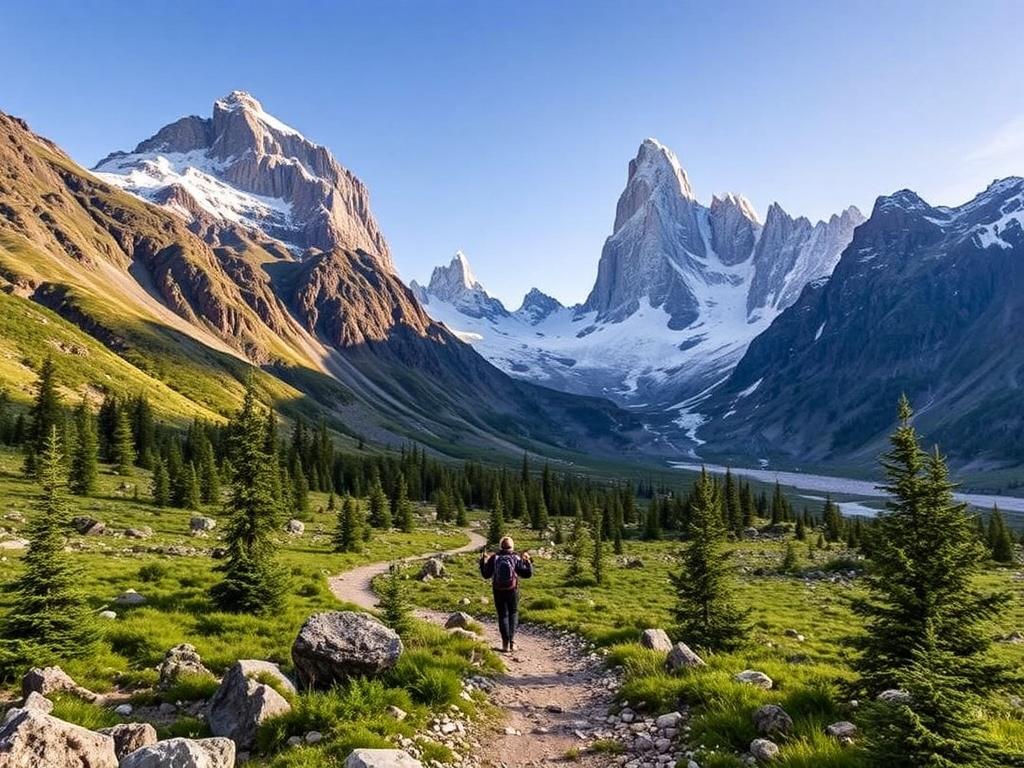
Guides add expertise, safety, and local knowledge—especially helpful for O circuit hikers or those unfamiliar with alpine navigation. Guided trips often include logistical support like food drops and campsite set-ups. Independent trekking gives you freedom and can be less expensive, but it requires careful planning, reservations for campsites/refugios, and competence with map reading and weather management.
If this is your first long trek in remote conditions, consider a guided trip for at least part of the route. If you go independent, read trail descriptions thoroughly, carry reliable navigation tools, and have contingency plans for bad weather.
Photography and Wildlife Watching
Torres del Paine is a photographer’s dream. Sunrise and sunset are peak times for dramatic light on the towers and horn peaks. Midday can give brilliant blues at glacial viewpoints. Wildlife is most active early or late in the day. Carry a telephoto lens for wildlife and a wide-angle for grand landscapes. Respect habitats and always keep a safe distance—especially from nesting condors or resting guanacos.
To protect your camera gear in wind and rain, use a protective cover and microfiber cloths for quick lens cleaning. Batteries drain quicker in cold weather—pack spares and keep them close to your body when not in use.
Park Rules, Fees, and Permits
Torres del Paine is a protected national park and has rules to protect its ecosystems and visitors. Entrance fees and campsite/refugio bookings are typically required and vary by season and nationality. Some refugios and campsites require advance booking months ahead in high season. Catamaran crossings and private tours may require separate bookings.
Before you go, check the official park website or authorized tourism pages for up-to-date information on fees, allowed camping gear, restrictions, and safety warnings. Rules change, and being informed is part of making the experience smooth and safe.
Common Mistakes First-Time Visitors Make
Here are a few things I see travelers stumble on—and how to avoid them.
- Underestimating the wind. Even calm forecasts can turn gusty. Secure tents and pack windproof clothing.
- Overpacking. Heavy packs make climbs longer and nights colder. Cut nonessential items and share communal gear where possible.
- Failing to book in advance. Refugios and campsites in high season sell out early. Plan and reserve early to avoid last-minute stress.
- Ignoring weather windows. Trying to push through stormy days is risky. Be flexible and plan extra buffer days.
- Not bringing cash or alternate payment methods. Some places don’t take cards or have limited connectivity.
Why You Should Hike Torres del Paine Now
Trails can change, weather can surprise you, and global travel is evolving—but Torres del Paine’s raw beauty is timeless. Hiking here connects you to a scale of landscape that recalibrates priorities: small problems feel small, the horizon is always ahead, and the reward at the end of a steep climb is a view that lingers. Whether you choose the classic W, the full O, or just a handful of day hikes, Torres del Paine promises both challenge and a deep sense of place.
Extra Tips for Long Trips
If you’re planning an extended trip: stagger your rest days, watch foot health closely (prevent blisters early), and rotate meal plans so you maintain energy. Learn to read the landscape: moraines, glaciers, and watercourses tell you where to expect slow footing or open wind. And finally, keep a small notebook. Notes on camps, water sources, and weather are invaluable if you return for another trip.
Resources and Further Reading
Before you go, consult the park’s official site for updated rules and booking information. Local guides and reputable travel forums provide recent trail conditions and personal stories that help you shape expectations. Books about Patagonian exploration add historical context and deepen appreciation for the land you’ll cross.
Conclusion
Visiting Torres del Paine is like stepping into a series of natural cathedrals: each valley and viewpoint offers a different sermon on scale, weather, and solitude. The park has trails for every kind of hiker—from short, spectacular viewpoints to multi-day circuits that require endurance and careful planning. Prepare with layers, a plan, and respect for weather and wildlife, book your lodgings early, and leave space for the unexpected; it’s often the sudden clearing after a storm, or a herd of guanacos at dusk, that becomes the memory you carry home.