
Coffee is more than a drink; it’s a ritual, a livelihood, an industry and, for many of us, the gentle nudge that starts the day. When I think about coffee, my mind wanders to sun-dappled hillsides in Colombia, where bright green shrubs bend under the weight of ripe cherries, to the hiss of steam from a downtown espresso machine, and to slow Sunday mornings when I cup, inhale and measure the tiny differences between two roasts. This article takes you on that full sensory journey — from Colombian farms through processing, roasting, brewing and tasting — and into the vibrant culture that surrounds every cup. Expect practical tips, surprising history, vivid descriptions and a few recipes you can try at home.
The Origins: Why Colombia Means Coffee to Many
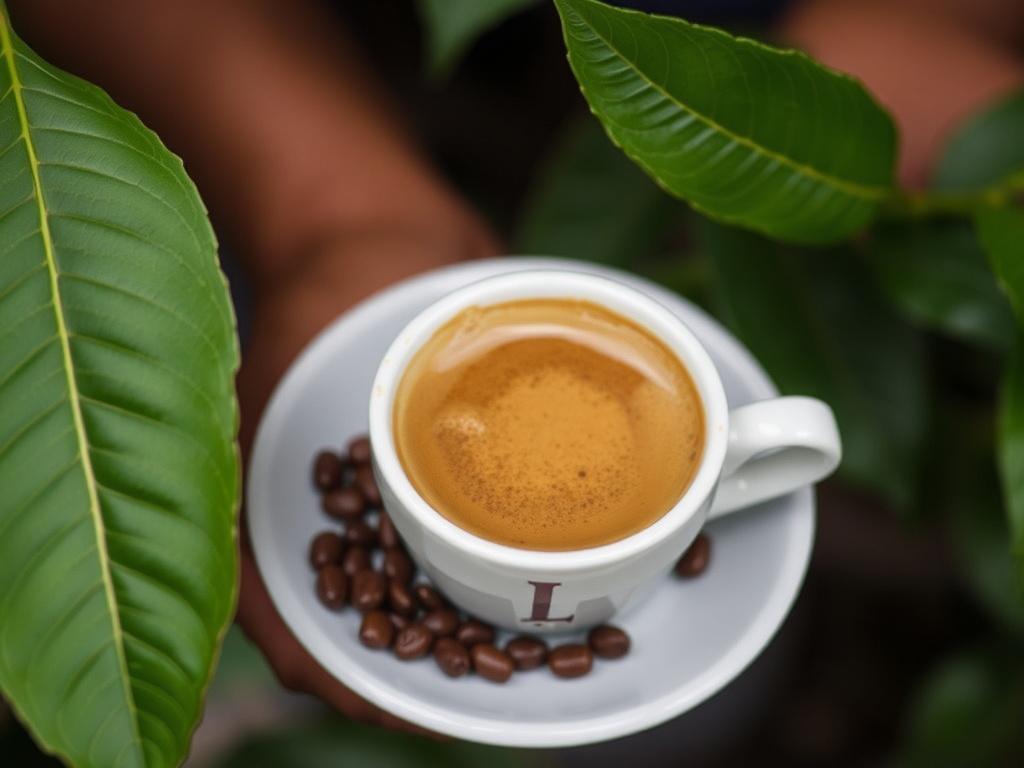
Colombia and coffee share an identity. For over a century, the country has been synonymous with high-quality Arabica beans and a culture that respects the plant and the people who grow it. Coffee arrived in Colombia in the early 18th century and found ideal conditions: mountainous terrain, volcanic soil, steady rainfall and a climate that nurtures slow, flavorful maturation. Those conditions still matter. Coffee grown on a steep slope at 1,600 meters develops flavors that differ from those grown lower in the valleys. Along with the land, small family farms and cooperative movements have shaped coffee culture in Colombia — and shaped what ends up in your cup.
Colombian coffee isn’t a single, homogeneous thing. Think of it like wine: microclimates, varietals and processing choices create a vast spectrum. You might find floral notes from a high-altitude farm, fruity brightness from a particular processing method, or chocolate and caramel when beans are harvested a little lower. The human story behind every bag is also rich: multigenerational families, cooperative mills, and a community rhythm tied to harvest seasons. Understanding this origin story adds weight and appreciation to each sip.
Small Farms, Big Impact
A remarkable feature of Colombian coffee is the prevalence of smallholder farms. Many are family-run plots of land where coffee provides more than income — it’s a heritage. These farms often sell cherries to local collection points or cooperatives, which offer processing, quality control, and a path to international markets. This structure supports rural economies and preserves traditional growing knowledge. When you choose coffees that support small farmers, you help sustain these communities and their stewardship of the land.
From Cherry to Bean: The Journey at the Farm Level
The visual transformation from cherry to green bean is basic yet magical. A bright red coffee cherry hides two seeds — the beans — wrapped in a mucilaginous layer and parchment. How the cherry is harvested and processed determines a large part of the final flavor.
Harvest starts with careful picking. In the best systems, pickers do selective harvesting, choosing only ripe cherries. This meticulous practice yields more consistent flavor than strip harvesting, which removes all cherries at once. After harvest comes processing. There are three classic processing methods: washed (wet), natural (dry), and honey (pulped natural). Each extracts sugars and flavors differently.
Washed (Wet) Processing
Washed processing removes the pulp and mucilage through fermentation and washing. It tends to emphasize clarity, acidity and floral or fruity notes. Many specialty Colombian coffees use washed processing to highlight unique varietal characteristics.
Natural (Dry) Processing
Natural processing dries the whole cherry in the sun. The bean interacts with the sugary fruit longer, often creating fruit-forward and heavy-bodied coffees with distinct sweetness. This method requires careful drying to avoid off-flavors.
Honey (Pulped Natural) Processing
Honey processing removes the skin but leaves varying amounts of mucilage on the bean during drying. It sits between washed and natural, producing a balance of sweetness and clarity. Producers sometimes label the result as yellow, red or black honey, indicating the degree of mucilage left on the bean.
Table: Processing Methods and Typical Flavor Profiles
| Processing Method | Key Steps | Flavor Tendencies |
|---|---|---|
| Washed | Pulped, fermented, washed, dried | Clean, bright acidity, floral/fruity notes |
| Natural | Whole cherry dried on patios or raised beds | Fruity, heavy body, berry-like sweetness |
| Honey | Pulped, mucilage retained, dried | Balanced sweetness, moderate clarity, syrupy body |
Processing, Milling and Export: How Quality Is Preserved
After drying, coffee still needs milling to remove parchment and any remaining husk. After milling, beans are sorted by size and density, often with flotation tanks or mechanical sorters. Specialty coffee will also undergo rigorous quality control, with defects removed by hand. Many producers in Colombia work closely with cooperatives to ensure standards are met; cooperatives are crucial for accessing export markets where buyers demand consistency and traceability.
Once milled and sorted, green beans are bagged and shipped. The way these beans are handled during storage and shipping — moisture levels, exposure to contaminants and time in transit — affects final quality. Importers who prioritize freshness and relationships with producers can make a huge difference in how the coffee later tastes.
Fair Trade, Direct Trade and Certification
A lot of attention goes to certifications such as Fair Trade, Rainforest Alliance, and organic labels. These programs aim to guarantee standards for labor, environmental protection and pricing. Some roasters pursue direct trade relationships instead, buying directly from farms or cooperatives at premium prices. Direct trade can facilitate better prices for farmers and greater transparency, though it lacks a uniform third-party verification. When you read a roast’s label, you’ll often find clues about the ethical practices behind your beans.
Roasting: Turning Green Beans into Aromatic Treasures

Roasting is where science meets art. Heat transforms the chemistry of the bean: sugars caramelize, proteins break down, and oils migrate to the surface. Light roasts preserve origin character — acidity, floral notes and brightness — while darker roasts emphasize body, chocolatey notes and roast-derived flavors. Roasters tweak development time, temperature curves and airflow to craft profiles that showcase a bean’s strengths.
When you open a bag of freshly roasted coffee, the aroma is a preview of what’s to come. That first smell — whether nutty, floral, fruity or smoky — ties closely to roast degree and origin. Specialty roasters often print roast dates on bags; aim to buy within a few weeks of roasting for peak flavor.
Home Roasting: A Brief Look
For the adventurous, home roasting offers complete control over flavor development. You can roast with small drum roasters, popcorn poppers adapted for coffee, or air roasters. It’s a rewarding hobby but demands attention to safety and technique. Home roasting transforms the way you perceive coffee, making you more attuned to subtle differences in roast level and origin.
Grinding and Brewing: The Moment of Truth
A great roast still needs a good grind and brewing method to sing. Grind size affects extraction dramatically: too fine and the brew tastes bitter and over-extracted; too coarse and it may taste thin and under-extracted. Water quality and temperature matter too — aim for filtered water and roughly 195–205°F (90–96°C) for most methods.
Below is a table summarizing common brewing methods, typical grind sizes and flavor outcomes.
Table: Brewing Methods at a Glance
| Method | Typical Grind | Brewing Time | Flavor Profile |
|---|---|---|---|
| Espresso | Fine | 25–35 seconds | Concentrated, bold, crema |
| Pour-over (V60, Kalita) | Medium-fine | 2–3 minutes | Clean, bright, nuanced |
| French Press | Coarse | 4–5 minutes | Full-bodied, more oils, heavier mouthfeel |
| AeroPress | Variable | 1–2 minutes | Versatile; can be espresso-like or clean |
| Cold Brew | Very coarse | 12–24 hours | Smooth, less acidic, sweet |
Taste, Dial In, Repeat
“Dialing in” is the practice of adjusting grind and dose to achieve balanced extraction. If your coffee tastes sour or overly acidic, it’s likely under-extracted — try a finer grind or longer brew time. If it’s bitter or hollow, it may be over-extracted — go coarser, lower temperature, or cut the brew time. Tasting with intention helps you find the sweet spot where acidity, sweetness and body harmonize.
The Art of Cupping: How Professionals Taste Coffee
Cupping is the standardized method coffee professionals use to evaluate beans. It involves grinding coffee, adding hot water, breaking the crust to release aromas, and tasting with a spoon to slurp and spread the coffee across the palate. Cuppers score for fragrance/aroma, flavor, aftertaste, acidity, body, balance, sweetness and defects. Learning basic cupping techniques at home is possible and useful — it trains your nose and palate to detect subtle differences and to appreciate origin characteristics.
Cupping also connects you to the story of the bean. When you can point to a floral note and link it to a region’s altitude or processing, coffee becomes more than convenience; it becomes context.
Café Culture: From Colombian Plazas to Global Neighborhoods
8aa805beac86aca311bb49dd4a0bd778.jpg
Cafés are social ecosystems. In Colombia, cafés are gathering spots where neighbors meet, students study and baristas practice their craft. The café scene varies by city: Bogotá’s cafés tend to be hip and experimental, Medellín mixes tradition with innovation, and rural coffee towns offer slow, authentic experiences. In other parts of the world, cafés adopt influences from their origins — a Medellín roaster might open a shop in London, blending Colombian beans with local tastes and barista culture.
A café’s design, music, furniture and menu shape the experience. Are you in for an espresso and a quick chat at the bar, or do you want a long pour-over in a quiet corner? The best cafés balance consistency with personality, and they often champion stories of origin, showing where their beans come from and why they taste the way they do.
Baristas and the Human Touch
Baristas are frontline ambassadors for coffee culture. Their knowledge about extraction, milk texturing, latte art and customer service makes a difference in how coffee is perceived. A skilled barista can make the same beans taste better through precise dosing, tamping, and milk temperature control. They also educate customers, recommending brew methods and explaining single-origin characteristics.
Sustainability, Ethics and Community
Sustainability in coffee covers environmental stewardship, fair wages and social accountability. Farmers face unpredictable weather, market volatility and rising production costs. Programs that support agroforestry, soil conservation and water management help farms adapt to climate change, while fair pricing and cooperative support help communities thrive.
Table: Sustainability Practices and Their Benefits
| Practice | Benefit |
|---|---|
| Agroforestry | Shade trees increase biodiversity, sequester carbon and improve coffee quality |
| Soil Conservation | Long-term fertility and reduced erosion |
| Water Management | Reduces contamination during processing and preserves local sources |
| Fair Pricing/Direct Trade | Improves farmer livelihoods and encourages investments in quality |
Supporting sustainable coffee means reading labels, asking questions at your local café, and choosing roasters who invest in long-term relationships with producers. It’s not just altruism; it sustains consistent quality and ensures that future generations can enjoy great coffee.
Pairings, Recipes and Small Rituals
Coffee’s flavors pair beautifully with various foods. Bright, citrusy coffees complement fruit-based pastries, while chocolatey, nutty coffees pair well with baked goods or creamy desserts. Try a bold Colombian roast with a slice of tres leches cake for a satisfying balance of sweetness and depth.
Here are some simple recipes and pairing ideas to experiment with at home:
- Espresso Affogato: A scoop of vanilla ice cream drowned with a shot of hot espresso — sweet and bitter in perfect balance.
- Cold Brew Tonic: Mix 3 oz cold brew with 4 oz tonic water, add ice and a slice of orange for a refreshing summer drink.
- Café con Leche: Equal parts strong brewed coffee and steamed milk, slightly sweetened — a Colombian morning staple.
- Cardamom Coffee: Add crushed green cardamom to the grounds before brewing for a fragrant, spiced profile.
How to Store Coffee for Peak Freshness
Freshness matters. Green beans have a long shelf life if stored cool and dry, but roasted beans change rapidly once exposed to oxygen. Whole beans stay fresher longer than pre-ground coffee because less surface area is exposed. Store coffee in an airtight container, away from light, heat and moisture. Avoid the refrigerator (which can introduce humidity and odors) and instead keep beans in a cool, dark cupboard. Buy smaller quantities if you want the freshest cup every day.
Quick storage tips:
- Buy whole beans and grind just before brewing.
- Buy roast-dated beans and aim to use within 2–4 weeks for peak flavor.
- Store in opaque, airtight containers at room temperature.
Brewing at Home: A Practical Step-by-Step Guide
If you want consistently great coffee at home, here’s a simple workflow that scales across methods:
- Start with fresh, whole-bean coffee and a good burr grinder. Blade grinders are inexpensive but produce uneven particle sizes that hurt extraction.
- Weigh your coffee and water. A common starting ratio is 1:16 (1 gram of coffee to 16 grams of water). For espresso, use a higher concentration.
- Adjust grind size for your method: fine for espresso, medium-fine for pour-over, coarse for French press.
- Mind your water temperature: 195–205°F (90–96°C) for most brews. If you don’t have a thermometer, bring water to a boil and let it rest 30 seconds.
- Practice timing and taste. Note what you like and tweak one variable at a time — grind, dose, or brew time — to find your sweet spot.
Recipe: Simple Pour-Over (Beginner-Friendly)
– Equipment: Pour-over dripper (V60 or similar), paper filter, kettle, scale, grinder.
– Dose: 20 g coffee / 320 g water (1:16 ratio).
– Grind: Medium-fine.
– Method: Rinse filter with hot water, add grounds, bloom with 40 g water for 30–45 seconds, then pour remaining water slowly in a circular motion. Aim for total brew time of 2:30–3:00 minutes. Enjoy.
Traveling to Coffee Country: What to Expect in Colombia
Visiting coffee regions in Colombia is an immersive way to deepen your appreciation. Towns like Salento, Manizales, and Armenia offer farm tours, haciendas that host tastings, and hands-on processing demonstrations. A typical farm visit includes a walk through the plantation, explanation of varietals, a demonstration of processing methods, and a tasting — often with a local’s warmth and stories of harvest. Plan visits during harvest season for the fullest experience, and bring curiosity and respect. Farms often operate on tight schedules and with local customs, so a gentle, flexible attitude is appreciated.
Here are a few tips for travelers:
- Hire local guides or book through reputable tour operators who support local communities.
- Learn a few Spanish phrases — it goes a long way in small towns.
- Wear comfortable shoes for hilly terrain and bring sun protection.
- Be mindful of altitude; some coffee regions are high and cooler than you might expect.
Barista Craft and the Visual Language of Coffee
Beyond brewing, the barista’s craft includes milk steam, crema, and latte art — visual language that communicates care and skill. Microfoam, created by velvety milk texture, allows for intricate patterns like hearts and rosettas. These visual cues also indicate that the milk has been properly textured and heated. If your barista pours a beautiful pattern, take a moment to appreciate the training and precision behind it.
Baristas also curate menus that reflect seasonal beans, experimental processes and community values. Specialty shops often rotate offerings and host tastings or workshops, turning cafés into classrooms and incubators for curiosity.
Economics and the Global Coffee Market
Coffee is a global commodity with deep economic implications. Prices fluctuate based on supply, demand, weather and speculation. Small farmers can be vulnerable to price drops, which is why sustainable practices and direct purchasing relationships matter. Roasters and importers who commit to paying premiums for quality and traceability can stabilize incomes for producers and incentivize higher quality.
Trends in the market — such as rising interest in specialty coffee, demand for traceability, and sustainability expectations — are reshaping how coffee is produced and traded. Consumers’ willingness to pay for better quality and ethical sourcing supports investments in farming practices and community development.
Future Trends to Watch
– Climate adaptation: Farmers are experimenting with shade management, varietal diversification, and altitudinal shifts to cope with changing weather.
– Traceability tech: Blockchain and improved supply-chain tools help prove origin and fairness claims.
– Specialty growth: More consumers seek unique single-origin coffees and experimental processing methods.
– Alternative beverages: Ready-to-drink cold brews, coffee concentrates, and non-dairy alternatives will continue to diversify how we consume coffee.
Stories from the Field: Voices That Shape Coffee Culture
Every cup carries stories: an elderly farmer who tends a small plot with meticulous care, a cooperative leader negotiating better prices, a roaster who wakes at dawn to taste new batches, and a barista who remembers your order and greets you by name. These human threads bind coffee culture across continents. Visiting farms and cafes, listening to these stories and tasting the coffees that come with them deepens your connection to what you drink.
When you meet farmers, you often learn that coffee is more than money — it’s tradition, identity and pride. For a barista, coffee is craft, science and hospitality. These perspectives turn a commodity into a culture, and culture into a narrative we all partake in.
Practical Tips for Enjoying Better Coffee
– Buy fresh and local when possible. Smaller roasters often offer fresher beans and more transparency.
– Use a burr grinder and grind right before brewing. Consistency beats flash.
– Keep your equipment clean. Residual oils and old grounds alter flavor.
– Experiment with ratios and methods. Keep a log of what you like.
– Support ethical sourcing by asking where your coffee comes from and choosing brands aligned with your values.
Quick Home Troubleshooting
– Bitter coffee? Try coarser grind, shorter brew, or slightly lower temperature.
– Sour coffee? Try finer grind, longer brew or higher temperature.
– Flat or dull coffee? Round out your extraction with slightly longer contact time or fresher beans.
– Weak coffee? Increase dose or grind finer.
Creative Coffee Experiences to Try
If you love coffee, consider branching out with one of these experiments:
- Host a coffee cupping night with friends and compare single-origin beans side by side.
- Try a coffee and food pairing event — match beans with cheese, chocolate or fruit.
- Roast a small batch at home and track flavor changes across roast levels.
- Volunteer on a coffee farm tour to learn harvest and processing firsthand.
These experiences change how you perceive coffee, turning a daily habit into a hobby, and sometimes into a passion.
Why It Matters: Coffee as Connection
Coffee culture is a web of relationships: between climate and crop, farmer and roaster, barista and customer. Each decision along the chain — how a plant is pruned, how cherries are processed, how beans are roasted and how a shot is pulled — shapes flavor and the livelihoods behind it. Enjoying coffee thoughtfully means appreciating that chain and, when possible, supporting systems that care for people and planet.
Next time you lift your cup, pause for a second. Imagine the hills of Colombia where the beans began, picture the hands that sorted and roasted them, and savor how many lives, skills and traditions contributed to that small moment of pleasure.
Further Reading and Resources
If you want to dive deeper, look for books and resources on coffee agronomy, roasting, barista techniques and coffee economics. Visit local roasters, attend tastings, and join community events. Coffee is a living subject — always changing, always offering more to learn.
Conclusion
Coffee is an invitation: to taste, to learn, and to connect. From the slopes of Colombia to the steaming cup on your table, each step in the journey influences flavor and meaning. By understanding origin, processing, roasting and brewing, you not only make better coffee at home but also appreciate the people and practices behind it. Support ethical sourcing, experiment with brewing, and let your curiosity guide you — one thoughtful sip at a time.