
Walk into a bustling market in Lima, Mexico City, or Salvador and you will see a world of color, scent, and energy that tells a story older than the nations themselves. Latin American cuisine feels immediate and elemental—maize, beans, chiles, fish, and fruits that grew in the hands of peoples who have lived on these lands for millennia. But it is also the product of journeys, conquests, migrations, and curious exchanges. This article takes you on a journey through time and across regions to explore the history and evolution of Latin American cuisine, tracing how indigenous foundations met colonial forces, how African, Asian, and European arrivals deepened the palette, and how modern creativity is reshaping what it means to eat in Latin America today.
We’ll move through eras and geographies—pre-Columbian kitchens, colonial transformations, the creolization of flavors through African and Asian influences, the national cuisines that emerged in the 19th and 20th centuries, and the modern fusion and sustainability movements changing the food landscape now. Along the way, expect stories about ingredients that transformed global diets, like potatoes and cacao, snapshots of regional specialties, and a few tables and lists to help you digest the complex threads that make up Latin American food.
Pre-Columbian Foundations: The Foods That Built Civilizations
Before Europeans crossed the Atlantic, the Americas were home to dense civilizations and a dizzying variety of foods and culinary knowledge. Indigenous peoples domesticated and perfected staples that would later travel the globe, including maize (corn), potatoes, beans, squash, tomatoes, chili peppers, avocados, and cacao. These crops were not merely food; they were central to agriculture, religion, trade, and identity. Farming systems like the chinampa gardens of the Valley of Mexico or the terraced fields of the Andes showcased an intimate knowledge of ecosystems.
The cooking techniques and communal eating practices of indigenous cultures also laid the groundwork for much of Latin American cuisine. Methods such as nixtamalization (alkaline treatment of maize), slow-roasting over open flames, underground pit cooking, vapor steaming, and fermentation were long established. These practices produced not only staple foods but also preserved flavors and techniques that would survive the dramatic cultural shifts to come.
Key Indigenous Ingredients and Their Roles
Let’s look at some foundational ingredients and why they mattered.
- Maize (corn): The backbone of many diets, transformed into tortillas, tamales, arepas, chicha, and countless regional variations.
- Potatoes: Originating in the Andes, potatoes supported dense populations and later became critical worldwide.
- Beans: Complementary protein to maize, forming the classic maize-and-bean nutrition combination.
- Chiles: More than spice—used for flavor, preservation, and ritual.
- Cacao: Prized for ceremonial chocolate drinks and later a global commodity.
- Quinoa, amaranth, and other Andean grains: Highly nutritious staples used for centuries.
The Columbian Exchange: A Global Transformation
When European explorers arrived in the late 15th and early 16th centuries, a two-way exchange of foods took place that historians call the Columbian Exchange. This transfer changed diets across continents. From the Americas to Europe, Africa, and Asia went maize, potatoes, tomatoes, cacao, and chiles, altering cuisines worldwide. From the Old World came wheat, rice, sugarcane, cattle, pigs, goats, chickens, onions, garlic, and new fruits and vegetables that were integrated into American dishes.
This era also marked ecological and social upheaval. The introduction of Eurasian domesticated animals transformed landscapes and diets but often accompanied colonial processes of land seizure and forced labor. Plantations producing sugar, cacao, and later coffee reshaped economies and brought millions of enslaved Africans to the Americas—an arrival that would deeply influence regional cuisines.
Table: Selected Foods and Their Movement During the Columbian Exchange
| From the Americas | To the Americas |
|---|---|
| Maize, potatoes, tomatoes, cacao, chiles, beans, squash, avocado | Wheat, rice, sugarcane, cattle, pigs, goats, chickens, onions, garlic, olives |
Colonial Kitchens and Culinary Fusion
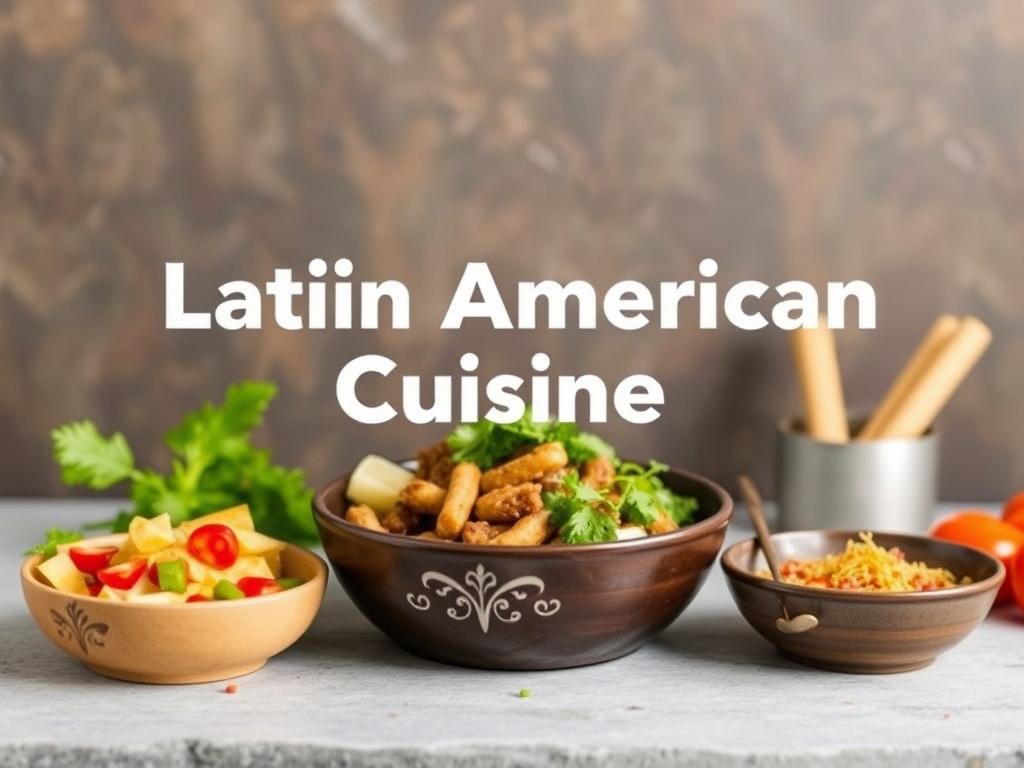
Colonialism reorganized societies and kitchens. Spanish and Portuguese colonists brought European ingredients, cooking vessels, and tastes, but they also had to adapt to new crops and techniques found in the Americas. Indigenous cooks and enslaved Africans played decisive roles in shaping household and plantation cuisine, blending techniques and substitutes that led to entirely new dishes.
In Mexico, the combination of indigenous staples with Spanish meats and dairy produced what we now recognize as classic Mexican cuisine—mole, for example, marries native chilies and peppers with spices like cinnamon and cloves. In the Caribbean and Brazil, African culinary traditions—one-pot stews, fried and battered preparations, use of tubers, and bold seasonings—became central. The Portuguese introduction of sugarcane transformed parts of Brazil into sugar-exporting economies that relied on enslaved labor, and the food culture of Brazilian regions absorbed a heavy West African imprint.
Influence of Enslaved Peoples and Creolization
African arrivals brought critical ingredients and techniques: okra, certain yams and tubers, palm oil (in some regions), and methods like deep frying and slow-cooking stews. Over time, local Indigenous ingredients merged with these African techniques and European tastes to produce creole cuisines—regional blends that are neither purely indigenous nor purely European or African. Think of Haitian griot, Brazilian acarajé, Cuban arroz con frijoles, or Salvadoran pupusas: each bears a mosaic of origins and histories.
Regional Cuisines Take Shape: National Traditions and Local Identities
As political boundaries and national identities formed in the 19th and 20th centuries, local foodways were often elevated as markers of cultural identity. Governments, writers, and restaurateurs sometimes codified “national dishes” to foster unity. These codifications masked the messy, mixed realities of most cuisines, but they also helped preserve and celebrate particular foods.
Mexico: A Central Heartland
Mexican cuisine is widely recognized for its continuity with pre-Columbian traditions. Nixtamalized maize remains central via tortillas, tamales, sopes, and more. Regional variations are immense: the seafood-rich coasts, the mole-rich Oaxaca and Puebla, the antojitos of the streets, and the rich use of chiles and herbs. Mexico’s culinary traditions were recognized by UNESCO as an Intangible Cultural Heritage, a testament to their depth and importance.
Peru: Layers of the Andes and the Sea
Peruvian cuisine is a collision of Andean staples, coastal seafood, and immigrant influences. The diversity of climates—from the Amazon to the Andes to the Pacific—creates a broad larder. Indigenous ingredients like potatoes and ají (Peruvian chiles) are combined with Spanish, African, Chinese (coolie), and Japanese (nikkei) influences to produce ceviche, lomo saltado, causa, and an array of regional specialties.
Brazil: A Continental Blend
Brazil’s cuisine reflects Indigenous, Portuguese, and massive African influences, as well as waves of immigrants from Italy, Germany, Japan, and the Middle East. Feijoada—black bean stew with pork—is often cited as a national dish, while regional dishes like moqueca (seafood stew) or acarajé (fried bean fritters from Bahia) show the variety. The use of manioc (cassava) and its derivatives is foundational in many regions.
Argentina and the Southern Cone: Meat, European Waves, and Gaucho Food
In Argentina, Uruguay, and southern Brazil, large-scale cattle ranching shaped diets: grilled beef (asado), empanadas, and hearty stews dominate. Massive European immigration from Italy and Spain in the 19th and early 20th centuries introduced pasta, pizza, and baking traditions that merged with local tastes. Mate, the herbal infusion sipped communally, is a cultural mainstay across countries in the region.
The Caribbean: Islands of Fusion
The Caribbean islands host intense culinary mixing. African techniques and ingredients paired with European and indigenous elements produced jerk, sofrito-based stews, soursop and tropical fruit desserts, and a strong tradition of seafood. The presence of indentured laborers from India and other regions also added curry-like flavors and spice blends to the mix.
Lists: Regional Staples and Typical Preparations
Here’s a compact list to help you picture how regional staples appear in everyday cooking.
- Mesoamerica (Mexico, Central America): Tortillas, tamales, pozole, salsas, tacos, beans, chiles.
- Andean (Peru, Bolivia, Ecuador): Potatoes, quinoa, cuy (guinea pig in some areas), pachamanca (earth oven), ají sauces.
- Caribbean (Cuba, Puerto Rico, DR, Jamaica): Rice and beans, plantains (maduros, tostones), stews, jerk seasoning, seafood.
- Brazil and Amazonia: Manioc, feijoada, moqueca, grill culture, tropical fruits.
- Southern Cone (Argentina, Chile, Uruguay): Asado, empanadas, grilled meats, mate, hearty breads and pastries.
Ingredients That Traveled the World and Changed Global Diets
It’s worth pausing to appreciate a few ingredients that originated in Latin America and rewired global eating habits. The potato, first domesticated in the Andean highlands, thrived in the cool European climate and became a staple crop, altering diets and demographics. Maize, once largely a New World crop, found uses in Africa, Europe, and Asia. Cacao from Mesoamerica became chocolate, a global luxury and then a staple confection. Chilies became indispensable in Asia and Africa. These ingredients remind us that food histories are mutual exchanges, not one-way exportations.
Table: Origin and Global Impact of Selected Crops
| Crop | Origin | Global Impact |
|---|---|---|
| Potato | Andes | Staple crop in Europe; fueled population growth and culinary innovations |
| Maize (corn) | Mesoamerica | Adapted worldwide for food, feed, and industry |
| Cacao | Mesoamerica | Became chocolate industry; global economic commodity |
| Chili peppers | Americas | Revolutionized cuisines in Asia, Africa, and Europe |
Street Food, Markets, and the Everyday Food Culture
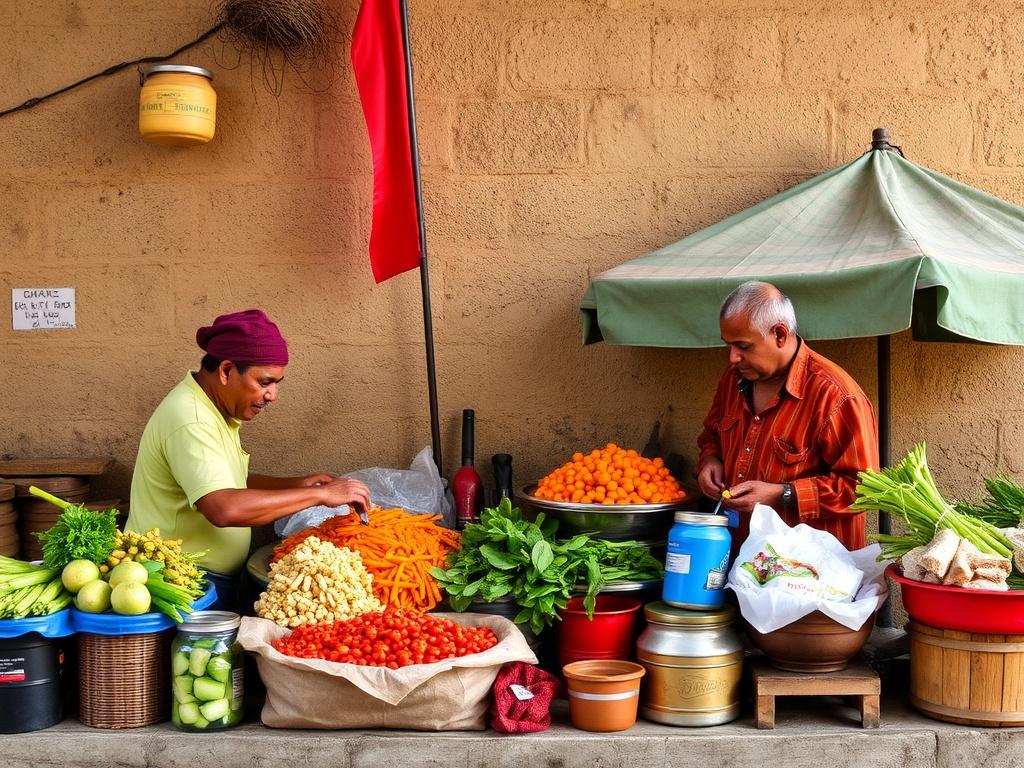
To understand Latin American cuisine is to stroll through its markets and stand in line at street stalls. Markets are where flavor, community, and commerce intersect—where vendors sell fresh produce, dried spices, cheeses, and prepared foods. Street food, in turn, is frantic, inventive, and democratic: tacos al pastor, arepas, empanadas, ceviche on a corner, roasted corn, sweet plantains, and bunuelos are experiences more than meals.
Street food has also been a social equalizer—accessible to many, adaptable, and a reflection of local tastes. It is where new food trends can emerge quickly, where cross-cultural influences are visible, and where chefs and home cooks alike test flavors in real time.
Popular Street Foods Across Latin America
- Tacos (Mexico) — endless regional variations
- Arepas (Venezuela, Colombia)
- Ceviche (Peru, Ecuador, coastal regions)
- Pupusas (El Salvador)
- Chivito sandwiches (Uruguay)
- Acarajé (Bahia, Brazil)
Immigration Waves and 19th–20th Century Innovations
Waves of migration in the 19th and 20th centuries brought Italians, Germans, Middle Easterners, Japanese, Chinese, and others to various Latin American countries. They introduced new dishes, cooking techniques, and ingredients that were incorporated and localized. In Peru, a significant Chinese coolie population created the chifa tradition—Chinese-Peruvian fusion typified by dishes like lomo saltado. Japanese immigrants integrated with Peruvian cuisine to invent nikkei cuisine, a refined mixture that plays with fish and citrus in new ways.
European arrivals influenced baking, dairy production, and meat processing, while Middle Eastern immigrants contributed breads and spicy stews. These changes did not replace native traditions; they layered on top of them, creating richer palettes and regional specialties.
Modern Movements: From Revival to Reinvention
In the late 20th and early 21st centuries, Latin American cuisine has experienced a renaissance. Chefs and culinary historians are revisiting indigenous techniques and ingredients, elevating them and telling stories that had been overlooked. Chefs like Gastón Acurio in Peru and Alex Atala in Brazil have championed local produce and indigenous knowledge, shining a global spotlight on previously local flavors.
At the same time, there’s a lively urban food scene across Latin America that mixes tradition with innovation: ceviche bars with molecular touches, tacos dressed with international sauces, and reinterpretations of classics that respect roots while celebrating creativity. The global interest in “authenticity” has pushed some to reclaim ancestral recipes, while others use heritage as raw material for new creations.
Table: Contemporary Trends in Latin American Food
| Trend | Examples |
|---|---|
| Ingredient revival | Rediscovering native grains, tubers, and herbs (e.g., quinoa, olluco) |
| Fusion and experimentation | Nikkei cuisine, chifa, modern ceviche |
| Sustainability and farm-to-table | Local sourcing, protecting fishing stocks, heirloom seeds |
| Street food elevated | Gourmet taco stands, market stalls winning awards |
Food, Identity, and Politics
Food is never just about flavor; it’s bound up with identity and politics. In many countries, efforts to protect traditional foodways intersect with land rights, indigenous sovereignty, and conservation. The drive to label certain practices or dishes as “national” can be political, uplifting cultural identity—and sometimes erasing regional and ethnic contributions. At the same time, culinary tourism is economic leverage, encouraging governments and communities to preserve markets, festivals, and agricultural diversity.
Food also becomes a site of protest and affirmation. Movements to save seed varieties, defend artisanal techniques against industrialization, and protest overfishing or monoculture are as much part of the evolving history of cuisine as the dishes themselves.
Preservation Efforts and Culinary Heritage
Organizations, chefs, and communities are working to preserve heirloom crops, protect artisanal methods, and document recipes. These efforts often involve collaborations between scientists, farmers, and cultural institutions to ensure flavors and knowledge survive economic changes.
Common Cooking Techniques and the Home Kitchen
Across Latin America, certain techniques recur because of their effectiveness in local contexts. Nixtamalization transforms maize into a nutrient-rich and workable dough. Pit-roasting and spit-roasting lend depth to meat. Fermentation appears in drinks and condiments. Slow-simmered sauces and stews allow tougher cuts to become tender. These techniques are adaptable and economical, born of households and communities needing to feed many with limited resources.
- Nixtamalization — alkali processing of maize
- Pachamanca and pit cooking — underground ovens that steam and roast
- Grilling (asado) — social ritual and technique
- Stewing and braising — building flavor over time
- Frying — from African and European influences
Sweetness, Coffee, and the Rituals of Drink
Latin America gave the world cacao and became a central player in coffee production. Coffee culture varies: café de olla in Mexico, espresso traditions in urban centers, and the global export economies centered in Brazil and Colombia. Traditional drinks—chicha (fermented maize drink), atole (warm maize beverage), aguapanela (sugarcane drink), and mate (herbal infusion)—speak to social rituals and daily routines as much as to taste.
Looking Forward: Sustainability, Globalization, and Food Security
As Latin American countries face climate change, migration, and market pressures, their food systems are both vulnerable and resilient. There is growing attention to sustainable agriculture: agroforestry, polyculture, and protection of biodiversity. Chefs and activists are highlighting the importance of small-scale producers and indigenous farming knowledge as essential components of food security.
Globalization brings opportunity and threat. While it can spread Latin American flavors and livelihoods through culinary tourism and exports, it can also push monocultures and industrial farming that undermine local foodways. The future likely involves negotiation—between tradition and innovation, market forces and conservation, global demand and local stewardship.
Practical Table: Pantry Staples to Start Exploring Latin American Cooking
| Staple | Use |
|---|---|
| Maize (cornmeal, masa harina) | Tortillas, tamales, arepas |
| Chiles (dried and fresh) | Salsas, marinades, sauces, mole bases |
| Beans (black, pinto, kidney) | Soups, stews, sides |
| Manioc (cassava/yucca) | Frying, stews, tapioca |
| Citrus (limes, oranges) | Ceviche, dressings, marinades |
How to Taste History: A Simple Guide for Curious Cooks and Travelers
If you want to experience Latin American cuisine beyond the tourist menu, visit markets, try street food, ask about ingredients, and look for family-run restaurants. Learn the basics—how to handle masa, how to balance acid in ceviche, how to toast chiles for depth. Read cookbooks written by local authors and follow chefs who celebrate regional producers. Taste is a direct way to connect with history; every bite reveals layers of migration, climate, and human creativity.
Short Practical List: Foods to Seek Out by Region
- Mexico: Regional moles, Oaxacan cheese, mixiotes, barbacoa, pozole
- Peru: Ceviche, anticuchos, causa, ají amarillo dishes
- Brazil: Feijoada, moqueca, tapioca pancakes, brigadeiros (sweets)
- Caribbean: Jerk, callaloo, saltfish and ackee, plantain dishes
- Andes: Papas a la huancaína, cuy in some areas, quinoa-based dishes
Stories on a Plate: The Emotional Power of Food
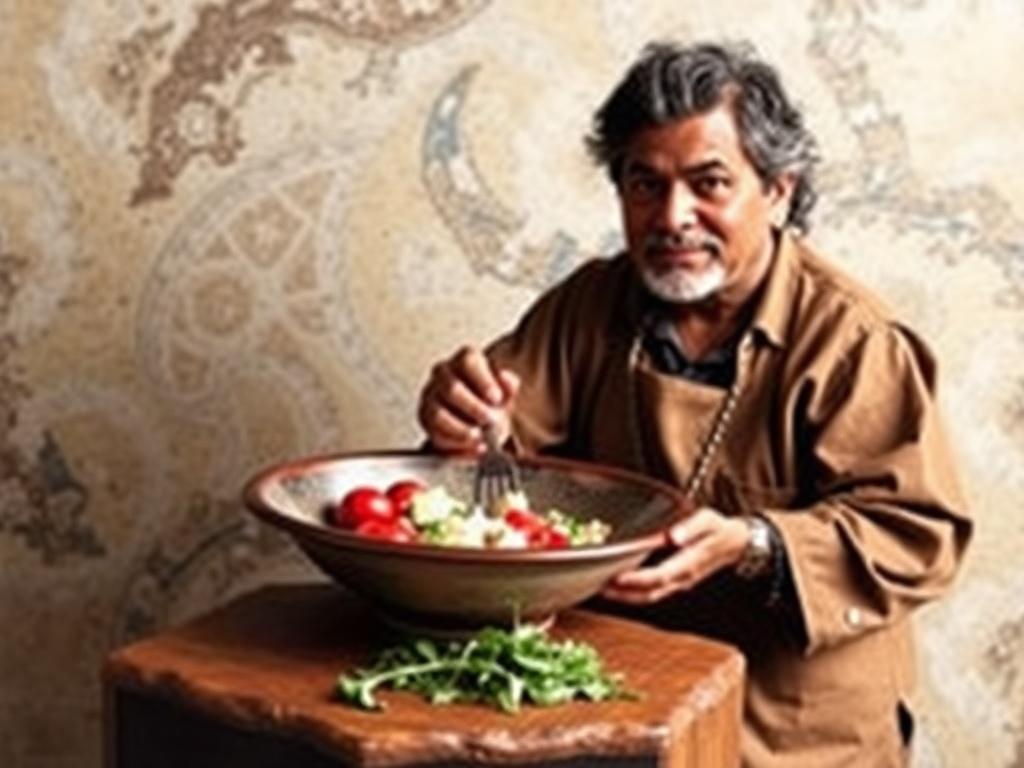
Food in Latin America is bound up with memory and family. Recipes are often transmitted orally: a grandmother’s mole that takes days to prepare, a street vendor’s tortilla technique learned from generations. These dishes are anchors of identity during migration and displacement. For diaspora communities, traditional foods evoke home, create continuity, and adapt in new lands. That emotional power is part of why Latin American cuisine is so resonant worldwide.
Conclusion
The history and evolution of Latin American cuisine are a mosaic of ancient knowledge and ongoing reinvention—rooted in indigenous ingenuity, expanded by colonial and immigrant encounters, enriched by African and Asian contributions, and energized today by chefs, farmers, and communities reclaiming and reinventing traditions. To taste Latin America is to taste a story of resilience, exchange, and creativity, where each dish is a doorway into landscapes, histories, and people who continue to shape the table. Whether you’re savoring a street taco, sharing ceviche at a coastal market, or sitting down to a family-made feijoada, you’re participating in a living culinary history—one that feeds body and soul and continues to evolve with every new generation.