
Finding an old coin in a drawer can feel like discovering a secret letter from the past. Before you let imagination run wild about fortunes hidden in metal, it helps to know how to assess a coin scanner value properly. Coin value isn’t a single number stamped on the surface; it’s the product of history, metal, rarity, condition, and market demand. This guide walks you through practical, hands-on steps to check the value of old coins—without requiring advanced numismatic training. By the end you’ll know what to look for, which tools to use, and when to call a professional.
We’ll move from simple identification to grading, from online research to real-world selling options. Along the way I’ll include examples, a few tables to organize useful resources, and checklists you can use when you pick up your next old coin. Keep a magnifier handy; this is both detective work and hobby—one that rewards patience and a careful eye.
Start by Identifying the Coin
Identification is the first and most important step. Record every visible detail before you handle the coin too much: the date, any mint mark, inscriptions, and obvious symbols or portraits. Some coins have mint marks hidden in places you might not expect. Photograph the coin from both sides and from the edge; a clear image can be invaluable later when you consult online catalogs or show the coin to an expert.
Key identifying features to note
- Date and mint mark (for example, “1921 S” or “1944 D”)
<li.Obverse/reverse designs and inscriptions
Simple tools to measure and inspect
You don’t need a laboratory. A jeweler’s loupe (10x magnification), a digital caliper for measuring diameter and thickness, and a small digital scale for weight will cover most needs. Use a soft glove or hold the coin by its rim to avoid fingerprints on faces or fields—oils from your skin can reduce value over time.
Understand Composition and Metal Value
Older coins often have intrinsic metal value: silver, gold, and sometimes copper can be worth more than the face value. Check reference guides to determine the metal composition for the year and type. A quick list of common precious metal indicators can save time:
- Gold coins: usually older commemoratives, sovereigns, and certain U.S. coins before 1933.
- Silver coins: many coins minted before the 1960s contain significant silver content.
- Copper: older cents and large bronze coins, with changing alloys over the years.
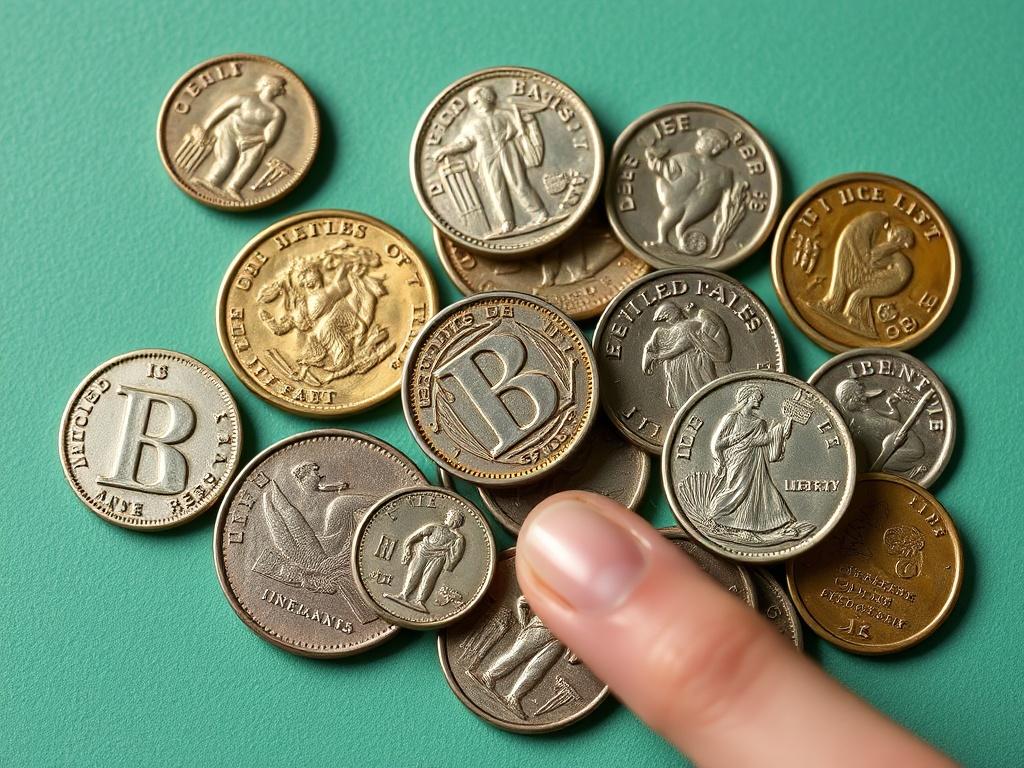
When the melt value is close to or above collector value, dealers may offer prices based on metal weight rather than numismatic interest.
Grading: How Condition Drives Price
Condition—often called grade—typically has the largest influence on a coin’s collectible value. Grading ranges from well-worn (often “Good” or “Fair”) to flawless (“Mint State” or “Proof” examples). Small differences in grade can mean dramatic price changes.
| Grade | Short Description | How it affects value |
| P (Poor) to G (Good) | Heavily worn, date/mint often readable but details faint | Lowest collector value; possibly only metal worth |
| VG to F (Very Good to Fine) | Moderate wear; main features visible | Collectible for common dates, modest premiums |
| VF to XF (Very Fine to Extremely Fine) | Light to moderate wear; good details | Noticeably higher value, popular grade range |
| AU (About Uncirculated) | Almost no wear; traces only on high points | High collector interest and premium |
| MS (Mint State) / PR (Proof) | No wear, possibly mint marks or proof surfaces | Top market prices; certification often required |
When in doubt, compare your coin to photos in grading guides or online grading galleries. If the coin might be valuable, consider professional grading from reputable services; their certification often boosts buyer confidence and price.
Research: Where to Look and What It Tells You
Research grows out of identification and grading. Use multiple sources to triangulate a realistic value: price guides give estimates, auction results show what bidders actually paid, and dealer listings reveal what sellers expect. Each source has biases—published guides tend to be conservative, while online market places can fluctuate.
| Resource | Best for | Limitations |
| Printed price guides (Red Book, specialized catalogs) | Baseline historical prices and rarity data | May lag current market; regional variations |
| Auction archives (Heritage, Stack’s Bowers) | Actual sale prices for high-end and rare coins | Results reflect auction conditions and buyer pool |
| Online marketplaces (eBay, dealer sites) | Current asking prices and local market trends | Asking price ≠ selling price; watch completed listings |
| Numismatic forums and clubs | Peer feedback and quick identifications | Advice varies in accuracy; verify with references |
Search completed auction and marketplace listings for coins with the same year, mint mark, and similar grade. Adjust for differences in strike, toning, and provenance. Note that coins with attractive original toning can fetch higher prices than similar, cleaned examples.
Detecting Forgeries, Alterations, and Cleaning
Sadly, counterfeits and altered coins exist. Some fakes are crude; others are advanced and require testing. Common red flags include odd lettering, incorrect weight, mismatched metal color, and unnaturally shiny surfaces that suggest harsh cleaning. Cleaning can drastically reduce value—collectors prefer original surfaces.
- Weigh the coin and compare to known specifications.
- Check edge reeding and lettering for uniformity.
- Use magnification to inspect for tooling marks or scratches that suggest alteration.
- Compare die details (tiny features) to reference images; counterfeit dies often miss small details.
- When unsure, seek professional authentication or use X-ray fluorescence (XRF) if available to confirm metal composition.
If you suspect a coin was dipped or scrubbed, document it—value is often lower and potential buyers will want to know.
When to Get Professional Grading or Appraisal
Professional grading services like PCGS and NGC provide third-party authentication and assign a numeric grade. This is worthwhile when a coin is potentially valuable enough that the grading fee is justified—typically for high-grade, rare, or uncertain pieces. Certification helps when selling at auction or to collectors who demand verified quality.
Appraisals from experienced dealers or numismatists are useful for insurance or estate purposes. Ask about the appraiser’s credentials, whether they charge a flat fee or percentage, and whether they work independently or as a dealer—conflicts of interest can affect valuations.
Typical costs and considerations
- Certification fees vary by service, declared value, and turnaround time—expect a baseline fee plus surcharges for expedited service.
- Submission risks: lost or damaged coins are rare but possible—use insured shipping and documented submission forms.
- Not every coin needs certification; common low-value coins usually sell fine without it.
Where and How to Sell
Choosing a sales channel affects the net you’ll receive. Dealers provide convenience and immediate payment but take a margin. Auctions can bring high prices for rare coins but charge commissions. Online marketplaces reach many buyers but require careful listings and shipping. Coin shows let you negotiate face-to-face; they’re a good middle ground.
| Channel | Pros | Cons |
| Local dealer | Quick sale, immediate cash | Lower price than collector market |
| Auction house | Potentially highest price for rare coins | Seller fees, longer wait |
| Online marketplace | Wide audience, sell many items | Listing effort, shipping risk, fees |
| Coin show | Negotiate with multiple dealers and collectors | Travel/time investment |
Whichever route you choose, present honest descriptions, high-quality photos, and any provenance or certificates you have. That transparency builds trust and often improves sale prices.
Practical Walkthrough: Checking a Coin’s Value Step-by-Step
Imagine you find a 1909 Lincoln cent with an “S” mint mark. First, photograph both sides and the edge. Next, measure diameter and weigh it; authentic 1909 VDB or 1909-S coins have known specifications you can match. Inspect the date style, mint mark placement, and portrait details against reference photos. If the coin looks uncirculated, consult auction records and price guides for 1909-S pennies in the grade you think it matches.
If the coin appears to be a key date like the 1909-S VDB or the 1909-S without VDB, you may consider submitting it to a grading service—because certified examples command strong premiums. If it’s a common late-century issue in average condition, compare completed sales on eBay to estimate a selling price, and decide whether the convenience of a dealer sale is worth the likely lower return.
Storage and Preservation to Protect Value
Avoid damage with good storage. Keep coins in stable, low-humidity environments away from direct sunlight. Use inert holders—Mylar flips, hard plastic slabs, or archival-quality albums. Never store coins in PVC flips; they emit chemicals that cause permanent damage. For precious metal coins, consider safe deposit boxes for long-term holdings.
- Handle by the rim; wear cotton or nitrile gloves if possible.
- Avoid chemical cleaners; if you must remove dirt, consult a conservator.
- Document provenance and store paperwork with the coin (receipts, certificates).
Quick Checklist Before You Sell or Submit
- Photograph the coin clearly (both sides and edge).
- Record measurements: weight, diameter, and any marks.
- Compare to trusted references and auction results.
- Check for signs of cleaning or alteration.
- Decide whether certification is likely to improve sale proceeds.
- Choose the sales channel that matches your time horizon and risk tolerance.
Resources to Bookmark
Keep a short list of go-to websites and books: the Guide Book of United States Coins (the “Red Book”) for US collectors, PCGS and NGC price and identification tools, major auction archives for sale histories, and active coin forums for peer feedback. Libraries and local coin clubs are excellent for hands-on learning and meeting experienced collectors who are often happy to look at an interesting find.
Conclusion
Checking the value of an old coin blends careful observation, reliable research, and sensible decision-making: identify it, grade it, check metal content, consult price references and auction results, and weigh the costs and benefits of professional grading or selling channels. With a loupe, a little patience, and the right references you’ll be able to separate truly valuable finds from sentimental keepsakes, protect your coins from damage, and make informed choices about appraisal and sale—turning a dusty discovery into a confident estimate and, possibly, a rewarding sale.