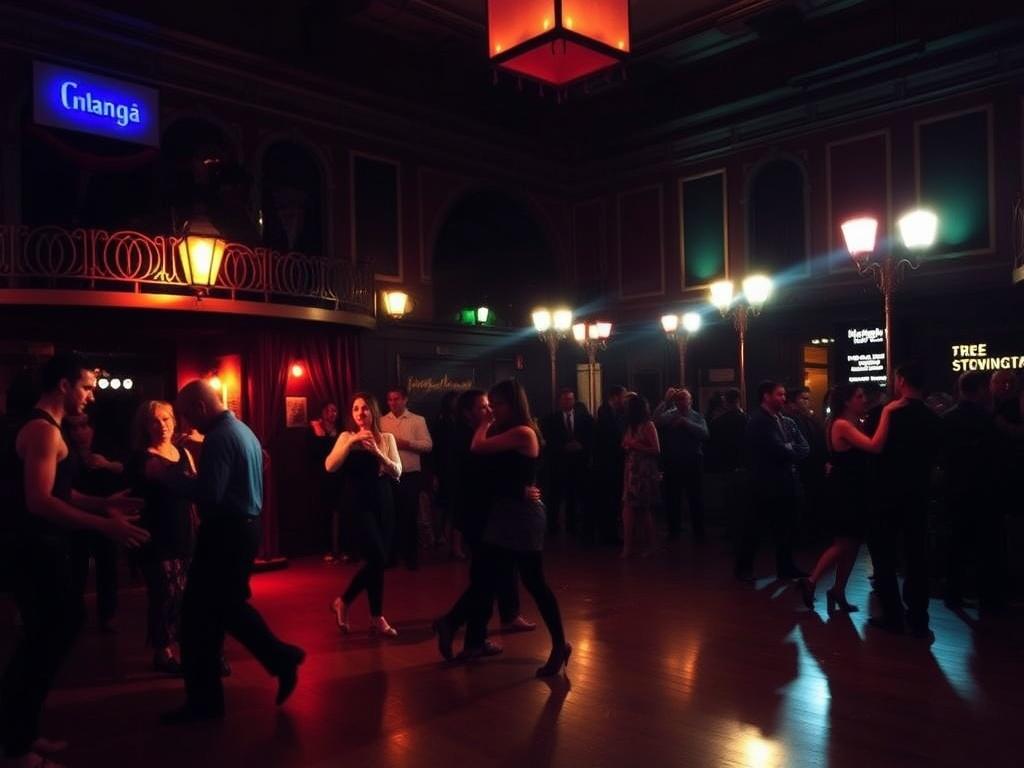
The first time you step into a milonga in Buenos Aires, something shifts. The light narrows, the music fills the room in slow swells, and the floor becomes a living map of human stories—short glances, confident steps, hesitant embraces, and the secret language of the cabeceo. Tango culture in Buenos Aires is more than a dance; it’s a social web, an emotional shorthand, and a nightly ritual that threads the past into the present. In this article I want to walk you through that world: its history, the places where it thrives, the etiquette that keeps it humming, the music that moves it, and how visitors can enter respectfully and joyfully. Whether you’re a curious traveler, a hopeful beginner, or someone enchanted by the idea of a city that breathes tango, you’ll find practical insights, colorful stories, and a clear roadmap to experience Buenos Aires like a local.
Buenos Aires doesn’t merely host tango; in many neighborhoods it lives in the architecture, on the sidewalks, and in family kitchens where grandparents hum bandoneón lines between spoonfuls of mate. To understand a milonga is to understand the porteño rhythm of life: late starts, long conversations, and pleasure taken in ritual. But let’s begin at the beginning—how tango rose from the margins to become the heartbeat of a city.
Where Tango Began: From the Port to the Parlor
Tango’s origin story is as layered as the dance itself. It emerged in the late 19th and early 20th centuries along the docks and immigrant neighborhoods of Buenos Aires, blending African, European, and Creole rhythms and gestures. Early tango was often associated with lower-class establishments—cafés, dance halls, and brothels—places where people sought release, connection, and sometimes a little danger. Over time, it moved into the salons and opera houses, shedding stigma and gaining sophistication without losing its emotional intensity.
As the dance migrated into the mainstream, it kept a dual personality: the raw, improvisational tango de barrio and the polished, choreographed tango de salón. Both remain alive in Buenos Aires today, and both claim authenticity. The city’s tango culture is not a monolith but a constellation of styles, histories, and social practices that overlap and diverge across neighborhoods.
Why the Milonga Matters
When people talk about a milonga, they mean several things at once. A milonga is a social dance event where tango is danced; it’s also a style of music and dance—faster, more rhythmic than the slow, dramatic tango canción—and it has a set of social rules that make community possible on the tight and often-crowded dancefloors of Buenos Aires. The milonga is where etiquette, music, and community meet.
In a milonga, the dancefloor is organized into tandas (sets of three or four songs) separated by cortinas (short non-tango music breaks) that allow partners to leave the floor and re-pair. This structure creates a rhythm of social exchange and gives dancers clear boundaries for who they are dancing with and when. Understanding this structure is your passport to participating rather than merely watching.
The Anatomy of a Milonga: What You’ll See and Hear
A milonga has its own choreography of behaviors. There are formalities to observe and local customs to relish. When you step into a milonga, notice the way people greet each other, the shoes they wear, and the respectful spacing between couples on the pista (the dance floor).
Tango music itself is the other half of the milonga’s identity. Traditional orchestras—often called orquestas típicas—feature bandoneon, violin, piano, double bass, and sometimes vocals. You’ll hear the greats: Astor Piazzolla for more modern, concert-like encounters; Carlos Gardel for classic canción; Aníbal Troilo, Osvaldo Pugliese, and Juan D’Arienzo for varied moods, from melancholic to driving.
Typical Milonga Flow
- Entrance and seating: People arrive, greet friends, and select a table or seat near the pista. Social life often starts at the table.
- Warm-up: Dancers might practice along the edge of the floor or do a few steps to loosen up.
- Tandas and cortinas: As mentioned, tandas (3–4 songs) are followed by cortinas—non-tango snippets like pop or folk music—where dancers thank and leave the floor.
- Cabaceo and invitations: The cabeceo, a head-nod invitation system, is used to propose a dance with minimal verbal interruption.
- End of milonga: People linger after the formal end, continuing conversations, drinking, and often hugging goodbye.
Etiquette: The Unspoken Rules That Keep Things Moving
If tango has a grammar, etiquette is the punctuation. The rules are pragmatic: they protect dancers from collisions, prevent awkward social misfires, and preserve a space where people can be vulnerable together. Learning milonga etiquette makes you part of the conversation rather than a tourist spectacle.
Key Milonga Etiquette
- Use the cabeceo to invite: Make eye contact and offer a subtle nod. If they nod back, the invitation is accepted. Approach only after the nod.
- Respect the line of dance: Tango flows counterclockwise around the floor. Keep your steps small and your awareness wide.
- Mind the tandas: Generally, you dance a full tanda with the same partner. Leaving mid-tanda is discouraged unless there’s an emergency.
- Dress appropriately: Smart casual is usually fine, but some traditional milongas favor more formal attire. Comfortable shoes suitable for pivoting are essential.
- Limit chatter on the pista: Conversation belongs off the dance floor. Maintain the mood of the music.
- Observe and adapt to style: Some milongas are more adventurous with embellishments; others favor strict walking-style tango. Watch first, then mirror.
- Be punctual—or at least normal-porteno-late: Milongas often start late; arriving during the first hour is common. Staying late is also normal.
Where to Go: Famous Milongas, Historic Salons, and Hidden Gems
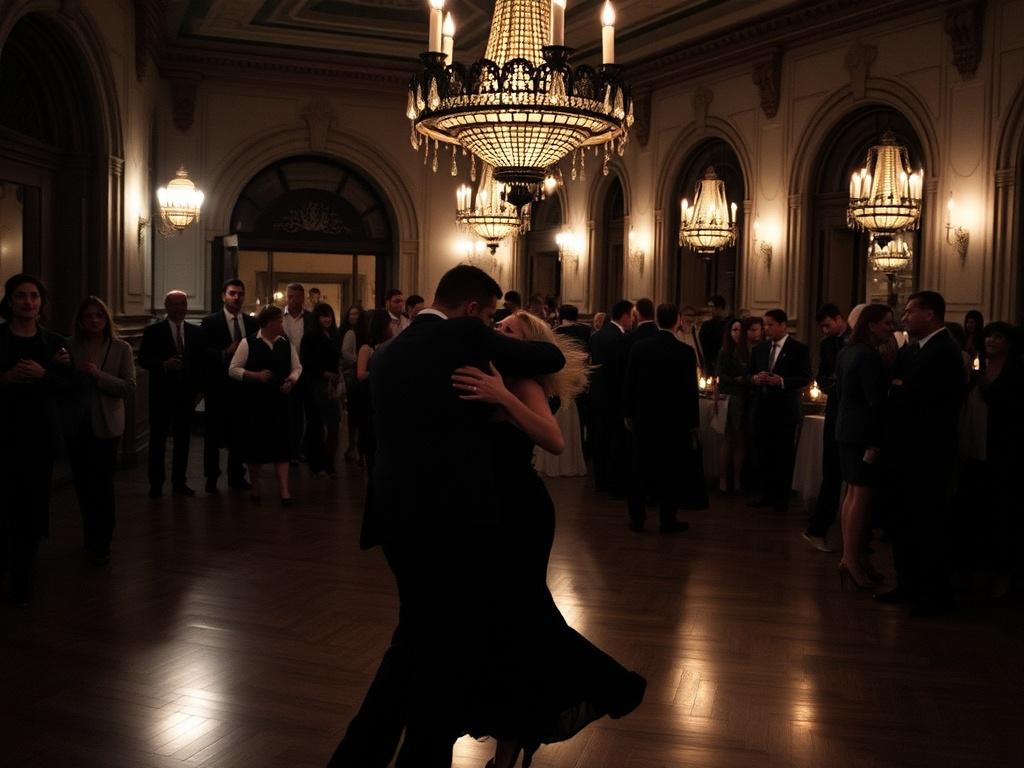
Buenos Aires is a patchwork of neighborhoods, each offering different milonga sensations. You can find grand, historic salons with chandeliers and polished floors, neighborhood milongas where elders recall stories of the first orchestras, and modern spots that blend tango with contemporary music and theater.
| Type of Venue | What to Expect | Neighborhood Examples |
|---|---|---|
| Historic Salon | Elegant, staged floors, often with orchestras; viewers and dancers share the space. | Centro, San Telmo |
| Neighborhood Milonga | Community-focused, friendly, more relaxed dress code, teaches local tradition. | Almagro, Boedo |
| Show/Performance Milonga | Designed for tourists, features professional shows and staged dances; can be expensive. | Puerto Madero, La Boca |
| Contemporary or Experimental | Mixes tango with modern music, theater, or fusion styles; attracts a younger crowd. | Palermo |
Recommended Milongas and Venues
- La Viruta (Palermo) — energetic, beginner-friendly, and lively; a great place to take lessons and dance into the night.
- Confitería Ideal (historic salon) — classic venue that carries echoes of early 20th-century tango culture.
- Salón Canning / Club 9 de Julio — known for traditional dancers and a serious local crowd.
- El Beso (Almagro) — intimate neighborhood milonga with a warm community vibe.
- La Catedral del Tango — arty, bohemian space that blends milonga with contemporary performances.
Each milonga has a personality: some reward polished technique, others celebrate improvisation and risk. Try a mix—start in a social, tolerant place if you’re new, then visit a traditional salon to observe higher-level patterns.
Learning Tango: Lessons, Practice, and Community
If you want to learn tango in Buenos Aires, you’re in the right city. Schools and private teachers abound, and social dancing provides the best classroom: real music, real partners, real etiquette.
How to Choose Classes
- Beginner vs. Intermediate: Start with a beginner class that focuses on walking, posture, embrace, and basic musicality before tackling complex figures.
- Private vs. Group: Privates accelerate learning and tailor corrections; groups build social skills and partner-switching experience.
- Teacher reputation: Ask for references, watch the teacher demonstrate, and check if they teach milonga etiquette and musical interpretation, not just steps.
- Practice opportunities: Choose a school that hosts practice sessions (practica) or can recommend local milongas.
Practice and Practica
A practica is an informal practice session where dancers try out steps, combinations, and musical interpretation without the pace of a milonga. It’s a low-pressure environment to experiment and learn from peers. Combine practicas with milongas: practicas refine technique; milongas refine social skills.
Typical Course Structure
| Level | Focus | Duration |
|---|---|---|
| Absolute Beginner | Walking, basic embrace, balance, rhythm | 6–8 classes |
| Beginner/Intermediate | Turns, ochos, simple embellishments, musical phrasing | 8–12 classes |
| Intermediate/Advanced | Complex sequences, improvisation, lead-follow dynamics | Ongoing |
Music: The Soundtrack of Buenos Aires
Tango music is a study in contrast: painful longing and playful rhythm, silence and impulse. The bandoneón—an accordion-like instrument—gives tango its mournful voice. Lyrics often tell stories of loss, nostalgia for the neighborhood, or the bittersweet humor of city life.
Key Musical Figures
- Carlos Gardel — the voice that popularized tango canción worldwide.
- Aníbal Troilo — soulful, intimate orchestra favored by dancers who like expressive phrasing.
- Osvaldo Pugliese — deliberate, dramatic, and favored for deep, intense dance.
- Juan D’Arienzo — “the king of the beat,” loved for driving rhythms that invite energetic dancing.
- Astor Piazzolla — revolutionary composer who fused tango with jazz and classical forms; best for listening rather than social dancing.
How Music Shapes the Dance
The orchestration and phrasing determine how dancers use space, when to pause, and when to accent a move. Dancers learn to “hear” the tanda’s mood: a D’Arienzo tanda might invite quick, decisive steps; a Pugliese tanda invites slow, expressive play with pauses.
Dress, Shoes, and Practicalities
Dressing for tango is about functionality and presence. Shoes make a huge difference: leather soles glide, suede soles have more grip, and heel height affects balance.
Shoes
- Women: A secure heel with ankle support; avoid very high stilettos if you’re just starting. Practice shoes with suede soles are common.
- Men: Leather-soled shoes with a slight heel make pivots easier; clean soles prevent floor damage.
Clothing and Comfort
Dresses and skirts are common for women but not mandatory; men often wear slacks and button shirts. The key is to wear what lets you move comfortably and appear respectful to the venue. Remember that milongas can be warm—until they’re not—so layered clothing helps.
Gender, Roles, and Changing Norms
Traditionally, tango has strict gender roles: men lead and women follow. But the tango community is changing. Many dancers practice role-neutral or role-flexible tango, and same-gender partnering is increasingly visible and accepted, especially in newer, experimental milongas and in cosmopolitan neighborhoods.
Respect the local vibe: in some traditional milongas, the dance floor still follows classic roles. In others, creativity and equality are embraced. If you’re unsure, ask the organizer or watch the room. Buenos Aires offers both continuity and change.
Language and Communication on the Dance Floor
While Spanish is the lingua franca, tango has its own nonverbal language. The cabeceo is a pinnacle of subtle communication. Use your eyes and body to express invitation and gratitude; keep verbal conversation for moments off the pista. A few Spanish phrases will help you connect:
- Gracias — Thank you.
- ¿Bailamos? — Shall we dance? (rarely needed if you use cabeceo)
- Perdón — Sorry/excuse me.
- Buenísima tanda — A great tanda (compliment).
Tango and Tourism: How to Experience Without Exploiting
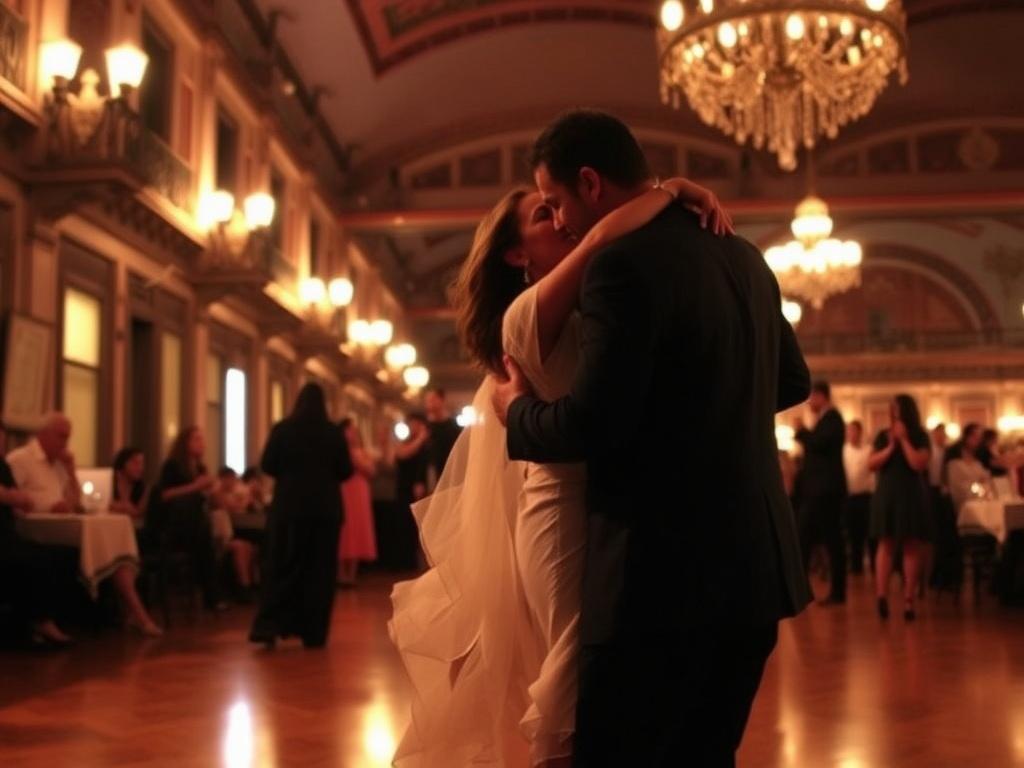
Tango tourism is a major industry in Buenos Aires, and with that come both wonderful opportunities and pitfalls. Tourist shows can be dazzling but often present a theatricalized version of tango: choreographed, polished, and removed from milonga norms. There’s value in those shows, but they’re not the same as participating in a milonga.
If you want an authentic social experience, prioritize community milongas, take lessons from local teachers, and support neighborhood venues. Avoid commodifying the culture: ask permission when taking photos, avoid dominating the pista as a large group, and tip teachers and musicians when appropriate.
Practical Tips for Visitors
- Take at least a few lessons before your first milonga—learn basic walking and the cabeceo.
- Ask the milonga organizer about the dress code and whether they welcome beginners.
- Avoid the “tourist trap” milongas if you want social immersion; instead, ask locals for recommendations.
- Bring cash for entrance fees, snacks, and tips; many places still prefer cash.
- Learn to listen: in tango, music and silence speak louder than words.
Stories from the Floor: Voices of Buenos Aires
I’ve sat at many tables and watched hundreds of tandas. There’s the elderly couple who arrive separately, greet each other with a look, dance as if they’re finishing a conversation that began decades ago. There’s the young man who learned from his abuela and now teaches children at a community center. There’s the traveler who took a lesson and then found, in the cadence of a Pugliese tanda, her way to a small group of friends who later became lifelong companions.
These are the human shapes you’ll meet in milongas: teachers who narrate history between songs, musicians who read the room like prophets, and dancers who use tango to remember someone they loved. The floor becomes a microcosm of the city—passionate, imperfect, resilient.
How Milongas Foster Community
A milonga is like a weekly town square. People come for the dance, yes, but also for conversation, shared memories, and the quiet affirmation of belonging. In neighborhoods like Almagro and Boedo, milongas are interwoven with local identity—neighbors volunteer, older dancers mentor younger ones, and events mark anniversaries and mourn lost members. This social infrastructure is part of what keeps tango alive beyond tourist seasons.
Challenges and Future Directions
Tango culture faces challenges: gentrification displacing long-running milongas, commercial pressures that prioritize spectacle over community, and debates about commercialization and authenticity. Yet tango also adapts. The rise of role-inclusive dancing, fusion styles, and international collaborations suggests a living culture that refuses to fossilize.
Digital platforms have introduced new ways to learn and share tango, and the pandemic prompted creative solutions—online classes, smaller private milongas, and socially distanced practice sessions. When milongas returned in force, they carried new habits and renewed appreciation for close, face-to-face connection.
What’s Happening Now
- More milongas are experimenting with inclusive policies regarding gender and role.
- Intergenerational projects are connecting older dancers with youth through schools and community centers.
- Collaborations between tango musicians and contemporary artists are generating fresh repertoires.
Practical Checklist: Preparing for Your First Milonga
Here’s a compact list to get you comfortable and confident before you go:
| Item | Why It Matters |
|---|---|
| Basic lessons | Prepares you for dance floor norms and basic balance. |
| Comfortable shoes | Protects your feet and improves your dance technique. |
| Cash | Entrance fees, drinks, and tips are often cash-based. |
| Respect for cabeceo | Helps you navigate invitations politely and efficiently. |
| Open attitude | Willingness to learn from watching and to accept correction. |
Common Mistakes to Avoid
- Talking on the pista—respect the music and mood.
- Ignoring the line of dance—watch for other couples’ spacing.
- Leaving mid-tanda—finish the tanda unless necessary.
- Assuming everyone wants to be photographed—always ask.
Tango Beyond the Dance: Cultural Ripples
Tango radiates into film, literature, fashion, and public memory. Argentine novels and films often use tango as a metaphor for complex relationships and urban melancholy. Local fashion borrows tango’s sharp lines and dramatic silhouettes, while restaurants and cafés curate playlists that keep the sound afloat between the milongas.
Tango’s emotional vocabulary—the ache, the humor, the resilience—speaks to universal human experiences. That’s why it travels so well and why visitors often leave Buenos Aires with a lasting appetite for the dance.
Where to Keep Exploring
- Record collections: Dive into the labels of orquestas típicas and seek out live recordings for a sense of historical breadth.
- Books: Look for memoirs by tango dancers and musicians to get first-person perspectives on culture changes.
- Film: Classic Argentine films weave tango into narrative and mood; viewing them can deepen your sense of the city’s aesthetic.
Practical Resources: Where to Learn, Listen, and Watch
If you want to keep learning, here’s a starter list of resources and places in Buenos Aires to find more:
- Local tango schools and private teachers—ask for recommendations from milonga hosts.
- Milonga calendars online—many Buenos Aires cultural websites post updated schedules.
- Record stores and music venues—hunt for vinyl to experience the warm sound of older recordings.
- Community centers—often offer lower-cost classes and volunteer-run practicas.
Suggested Reading and Listening
- Listen to classic tandas by D’Arienzo, Pugliese, and Troilo for a foundation in danceable repertoire.
- Explore Piazzolla for concert tango (best for listening and theatrical expression).
- Read memoirs and histories that situate tango within Argentine immigration and urban development narratives.
Final Thoughts Before You Go Out
If you remember nothing else about tango culture in Buenos Aires, keep these three ideas close: listen more than you speak, observe more than you perform, and treat every dance as an opportunity to enter a shared story. A milonga is not just a place to show your steps; it’s a social space where trust and rhythm are negotiated minute by minute.
Be curious, be humble, and be present. Tango rewards those who attend to the subtle interplay of music, body, and social code. You’ll find that dancing in Buenos Aires changes you—not necessarily because you’ll master a new step, but because you’ll meet people who take joy in an art form that asks them to be vulnerable together.
Conclusion
Tango culture in Buenos Aires is a living, breathing tapestry woven from history, music, movement, and communal ritual. From the dockside beginnings to the warm glow of modern milongas, tango offers a space where people meet, mourn, celebrate, and improvise together. If you come as a visitor, approach with respect—learn the etiquette, listen to the music, and let the cabeceo guide your invitations. If you come to learn, take lessons, practice in practicas, and then step bravely onto the pista. The city’s dance halls and milongas can feel like secret societies at first, but they’re generous if you show curiosity and care. In the end, tango is about human connection: the small risks of opening your chest, the way a particular orchestration can stop time, and the communal rhythm that keeps Buenos Aires dancing through the night.