Close your eyes and imagine a warm night in a plaza, the air pulsing, hips swaying, and drums answering one another like old friends. That feeling—intoxicating, communal, and alive—is the essence of Latin American music. From the sensual swoon of salsa to the sun-baked swing of samba and the bass-driven beat of reggaeton, the region’s music tells stories of history, migration, joy, resistance, and reinvention. This article takes you on a long, friendly stroll through that soundscape: its roots, major genres, instruments, dance connections, key artists, production techniques, and the way Latin American music has reshaped global pop culture.
Where the Beat Began: Historical Roots and Crossroads
The musical traditions of Latin America are the product of centuries of exchange. Indigenous rhythms and instruments met European harmony and structure, and both of those met the African drum languages and syncopated pulses carried across the Atlantic by enslaved peoples. This fusion wasn’t a single moment in time but a long process that produced a dazzling variety of local styles.
In the colonial cities and rural villages alike, people adapted what they had. Indigenous flutes and rattles, Iberian guitars and brass, and African percussion created neighborhood soundscapes that were at once familiar and completely new. Over generations, those soundscapes became formal genres—salsa, samba, tango, cumbia, merengue, bachata—each with its own social context, regional variations, and dance traditions.
The Three Pillars: Indigenous, European, African
Think of Latin American music as built on three pillars. Indigenous musics contributed melodic modes, vocal traditions, and instruments like panpipes and drums. European influence introduced string instruments, harmony, and formal song structures. African influence supplied rhythm, polyrhythms, call-and-response vocals, and the centrality of percussion. Those pillars support an enormous diversity of styles that continue to evolve today.
Salsa: The Orchestra of the Streets
Salsa is often thought of as a unified genre, but it’s a vibrant tapestry of regional trends and historical layers. Its most recognized form took shape in mid-20th-century New York City, where Puerto Rican and Cuban musicians, along with other Latin American migrants, mixed son montuno, mambo, and Afro-Cuban rhythms with jazz harmonies and big-band sensibilities. The result was a sound designed for the dance floor and the street, propelled by percussion and buoyed by cascading brass sections.
The clave—a syncopated two-measure pattern—is salsa’s heartbeat. It guides phrasing and groove, and if you can feel the clave, you’re halfway to understanding salsa. While classic salsa orchestras could be large, the genre also flourished in smaller ensembles and later evolved into salsa romántica and salsa dura, each emphasizing different elements—melody and lyrics in the former, raw, percussive energy in the latter.
Salsa’s Dance and Social Role
Salsa is more than music; it’s a social language. Dancing salsa is an act of connection and improvisation. In dance halls and street parties, it provides a place to socialize, court, resist marginalization, and celebrate identity. It has been central to Latinx community life across cities, acting as both entertainment and a vehicle for cultural pride.
Samba: Brazil’s Pulsing Heart
Move west to Brazil, and you enter the world of samba—a family of styles that range from the carnival frenzy of samba-enredo to the quieter swing of samba de roda. Samba emerged in the early 20th century from Afro-Brazilian communities, inheriting African polyrhythms and folding in European melodic elements. By the time Rio de Janeiro’s carnival schools started organizing large processional performances, samba had become a national symbol.
Samba’s instrumentation is percussion-forward: surdos (bass drums), tamborims, agogô bells, pandeiros, and cuíca create a tapestry of interlocking rhythms. But don’t overlook the influence of the cavaquinho (a small four-string guitar) and the acoustic guitar in certain samba styles. Bossa nova, often grouped with samba due to shared roots, brings a subtler, jazz-infused mood, showing how versatile Brazil’s musical exports can be.
Samba, Carnival, and Community
Carnival showcases samba in its most theatrical form, with schools competing in parades that are months in the making. But samba is also local: rodas (circles) where people sit, sing, and play together. Those grassroots settings preserve improvisation and communal music-making that are the lifeblood of the tradition.
Reggaeton: The Urban Pulse of a New Generation
Reggaeton is one of the most visible modern exports from Latin America. Emerging in Puerto Rico in the 1990s, reggaeton fused reggae en español, dancehall, hip-hop, and Latin rhythms into a relentless, club-focused groove. Central to reggaeton is the dembow rhythm: a looped, syncopated pattern that provides a hypnotic backdrop for rap-like verses and catchy choruses.
Artists like Daddy Yankee, Don Omar, and Tego Calderón helped define early reggaeton. The genre has since gone global. Modern hits blend reggaeton with pop, trap, EDM, and R&B, and artists such as Bad Bunny, J Balvin, and Karol G dominate charts worldwide. Reggaeton is not just a sound but a language of urban youth culture—sometimes controversial for its lyrics and imagery, but also a powerful platform for self-expression and identity.
Production and the Dembow Beat
Reggaeton’s studio craft is distinctive: producers often build tracks from a steady dembow loop, layering synths, vocal chops, and percussion while keeping the vocal delivery rhythmic and direct. This production approach makes reggaeton exceptionally danceable and radio-friendly, and it has allowed the genre to cross language boundaries.
Other Major Genres: Tango, Cumbia, Bachata, Merengue, and More
Latin American music cannot be reduced to just salsa, samba, and reggaeton. The continent and its diasporas are home to many more influential genres, each with fascinating histories and contemporary scenes.
Tango: The City’s Melancholy
Originating in the Río de la Plata region—mainly Buenos Aires and Montevideo—tango emerged in the late 19th and early 20th centuries among working-class immigrants. It blends European dance forms, African rhythms, and local milonga music, expressing both passion and nostalgia. The bandoneón, an accordion-like instrument, is emblematic of tango’s sound. Tango’s choreography is intimate and dramatic, and its global appeal endures through both traditional ensembles and modern reinterpretations.
Cumbia: The Dance That Travelled
Cumbia started on Colombia’s Caribbean coast as a courtship dance born of Indigenous, African, and Spanish influences. The genre’s infectious rhythm made it spread across Latin America, where different regions adapted it—Mexican cumbia, Peruvian cumbia, and Argentine cumbia each have distinct flavor. As a folkloric and a pop style, cumbia bridges generations, played at family gatherings and in clubs alike.
Bachata: From Margins to Mainstream
Bachata grew in the Dominican Republic as romantic, often melancholic guitar music linked to rural life and urban migration. Once marginalized and dismissed as music for the poor, it rose to global prominence in the late 20th and early 21st centuries with artists like Aventura and Romeo Santos. Bachata’s characteristic guitar arpeggios and intimate lyrics make it a favorite at slow dances.
Merengue: Fast and Festive
Also from the Dominican Republic, merengue is fast-paced and celebratory. Its instrumentation—accordion or saxophone fronting, with percussion and bass—creates a brisk, infectious beat that’s perfect for dancing. Like many Latin genres, merengue has modern pop iterations and maintains a presence at festivals and family events.
Instruments and Rhythms: The Tools of the Trade
To appreciate Latin American music, it helps to know some of the instruments and rhythmic foundations used across genres. While the combinations vary, certain elements appear often.
Key Instruments
- Percussion: congas, bongos, timbales, surdo, pandeiro, tamborim, guiro, cajón
- Strings: guitar (classical, acoustic, electric), cuatro, charango, cavaquinho
- Keyboards and brass: piano, organ, accordion, saxophone, trumpet, trombone, bandoneón
- Electronic tools: samplers, drum machines, synths—especially prominent in reggaeton, Latin trap, and pop fusion
Rhythmic Concepts
Several rhythmic concepts are central:
- Clave: a two-bar pattern (3-2 or 2-3) that functions as the fundamental guide in Afro-Cuban-based genres like salsa and son.
- Polyrhythm: multiple rhythms played at once, a hallmark of African-derived music that gives Latin American genres much of their complexity and swing.
- Dembow: the repetitive rhythm at the heart of reggaeton, derived from Jamaican dancehall.
Dance and Music: An Intimate Conversation
Across Latin America, music and dance are inseparable. The steps of salsa, samba, tango, and bachata are not mere choreography; they’re conversations that respond to musical cues, improvisation, and social codes. Learning to dance a genre deepens one’s understanding of its rhythm, phrasing, and cultural context.
Social dances are also mechanisms for community-building. Street parties, family gatherings, and religious festivals often center on participatory dance styles where everyone—regardless of formal training—can join. That accessibility ensures the continuity and vibrancy of these musical traditions.
Lyrics and Language: Stories, Identity, and Politics
Latin American music is rich in storytelling. Lyrics explore love, migration, hardship, celebration, and political struggle. Tango is famously poetic and melancholic; salsa often blends romance with social commentary; reggaeton ranges from partying anthems to introspective tracks about identity and struggle. Lyrics can be in Spanish, Portuguese, Indigenous languages, Creole, or hybrid forms, reflecting complex identities.
Music has also been a vehicle for political expression. Nueva canción movements across the continent used folk forms to protest dictatorships and social injustice. More recently, artists have used popular genres to highlight issues like migration, inequality, and gender. While some mainstream music avoids overt politics, the social role of music persists through protest songs, benefit concerts, and community-based projects.
Regional Flavors and Cross-Pollination
One of the most exciting things about Latin American music is how genres travel and evolve. Musicians borrow, remix, and hybridize styles. Salsa absorbed influences from jazz and rock; Brazilian musicians grafted bossa nova onto jazz harmony; reggaeton melded with trap and pop. These fusions produce new subgenres and styles, keeping the scene fresh.
Migration has been a major engine of exchange. Cities like New York, Miami, Los Angeles, and Madrid became hubs where Latin American music mixed with U.S. hip-hop and European pop. The internet and streaming services have accelerated this process, making collaborations between artists across continents commonplace.
Modern Production: From Live Bands to Bedroom Producers
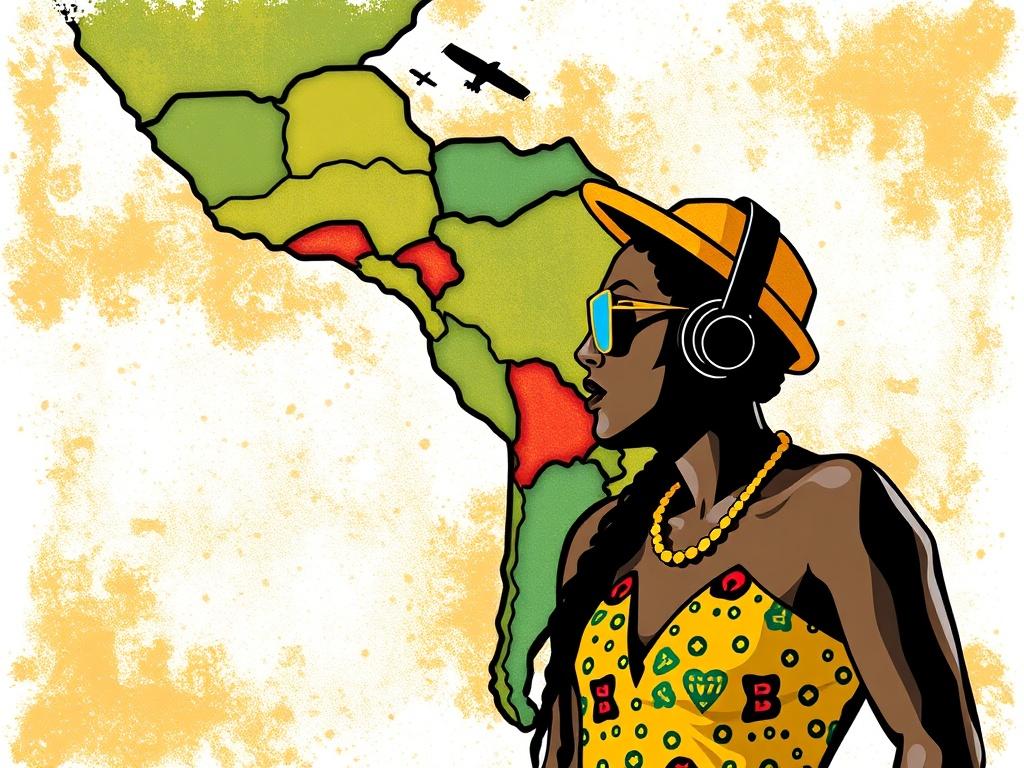
Traditional Latin music often involved live bands and community ensembles. Today, technology has widened access to music-making. A producer with a laptop can craft a reggaeton hit or a modern cumbia remix from a small home studio. That democratization has both preserved and transformed musical traditions: live performance remains vital, but electronic production opens new possibilities for sound design and global reach.
At the same time, many artists balance electronic production with acoustic authenticity. Producers layer digital beats beneath brass sections or live percussion, creating hybrid tracks that honor tradition while sounding contemporary. This balance is part of why Latin music has such broad appeal right now.
Major Artists and Influences: Who to Listen To
There are countless influential artists across genres. Below is a curated, not exhaustive, snapshot of important figures—both historical and contemporary—who shaped or popularized these musical styles.
| Genre | Classic/Foundational Artists | Modern/Global Stars |
|---|---|---|
| Salsa | Hector Lavoe, Celia Cruz, Tito Puente, Fania All-Stars | Marc Anthony, Gilberto Santa Rosa, La India |
| Samba | Cartola, Noel Rosa, Pixinguinha | Caetano Veloso, Gilberto Gil, Anitta |
| Reggaeton | Daddy Yankee, Tego Calderón, Don Omar | Bad Bunny, J Balvin, Karol G |
| Tango | Carlos Gardel, Astor Piazzolla | Gustavo Santaolalla (influences), contemporary orchestras |
| Bachata & Merengue | Juan Luis Guerra, Aventura | Romeo Santos, Prince Royce |
| Cumbia | Traditional Colombian artists, Los Wawancó | Los Ángeles Azules, modern cumbia fusions |
Recommended Starter Playlist
- Salsa: “Mi Gente” — Héctor Lavoe
- Samba: “Aquarela do Brasil” — João Gilberto / Various renditions
- Reggaeton: “Gasolina” — Daddy Yankee
- Tango: “El Día Que Me Quieras” — Carlos Gardel
- Bachata: “Obsesión” — Aventura
- Cumbia: “Cumbia Sobre el Río” — Celso Piña / Los Ángeles Azules”
Festivals, Scenes, and Global Impact
Latin music festivals—from Rio’s carnival to salsa congresses in cities around the world—are places where the music is lived, not just heard. These events drive tourism, community pride, and artistic exchange. In urban scenes, small clubs and dance schools keep traditions alive and create vibrant subcultures where experimentation happens.
On the global stage, Latin music has made massive commercial inroads. Streaming platforms list top charts by region; crossover hits reach bilingual audiences; collaborations with English-language artists are now routine. This commercial success raises questions about authenticity and commodification, but it also opens doors for artists who were previously marginalized.
Social Issues and Controversies
Latin American music has always reflected social realities. Some genres have been criticized for perpetuating stereotypes or misogynistic lyrics; others have used music to challenge conservatism, fight censorship, or mobilize voters. The reggaeton debate—between artists defending creative freedom and activists criticizing explicit content—illustrates the tensions that can arise when a popular genre becomes a cultural lightning rod.
At the same time, music remains a site of empowerment. Female artists across genres are claiming space, reshaping narratives, and insisting on new representations. Social movements use music as a rallying cry. In many countries, community radio and independent labels continue to be crucial platforms for voices outside the mainstream.
Learning and Participating: How to Dive In
If this article has stirred your curiosity, there are many ways to engage. Take a dance class, attend a local concert or festival, learn an instrument, or explore curated playlists that pair classic recordings with contemporary tracks. Language learning also deepens musical appreciation—understanding lyrics opens new emotional layers.
Practical Steps
- Start with genre-focused playlists and then explore artist discographies.
- Attend live shows—small venues are often the most revealing and joyful.
- Take dance lessons; movement teaches rhythm in a direct, embodied way.
- Try learning percussion basics or the guitar patterns used in salsa, bachata, or bossa nova.
- Support independent artists by buying music, merch, or contributing to crowdfunding campaigns.
Future Directions: Where Latin Music Is Headed
Looking ahead, expect continued fusion and innovation. Latin rhythms are already embedded in pop, hip-hop, and electronic music worldwide. Artists will keep blending acoustic tradition with digital tools, and cross-cultural collaborations will expand. At the same time, there’s a growing interest in preserving and reviving folk styles and regional expressions. The future seems likely to be plural: ultra-commercial stadium hits and intimate community music-making will coexist and influence one another.
Technology—AI, immersive live-streaming, virtual collaborations—will shape production and distribution, but the human elements—dance floors, family gatherings, and neighborhood bands—will remain central. Those human spaces are where the music breathes, evolves, and finds meaning.
Resources and Further Reading
If you want to learn more, explore academic works on ethnomusicology, biographies of major artists, documentaries about regional scenes, and specialized radio programs. Libraries and university collections often have deep archives. Streaming platforms can introduce you to new subgenres and local scenes, while grassroots organizations and cultural centers provide in-person learning opportunities.
Quick Reference: Genre Attributes
| Genre | Origin | Key Instruments | Typical Feel |
|---|---|---|---|
| Salsa | Cuba / New York | Congas, timbales, piano, brass | Energetic, dance-driven, polyrhythmic |
| Samba | Brazil | Surdo, pandeiro, tamborim, cavaquinho | Carnivalous, syncopated, percussive |
| Reggaeton | Puerto Rico | Drum machine, synths, samples | Driving, repetitive, club-focused |
| Tango | Argentina/Uruguay | Bandoneón, piano, violin | Melancholic, dramatic, intimate |
| Bachata | Dominican Republic | Guitar, bongos, bass | Romantic, melodic, intimate |
| Cumbia | Colombia | Drums, flutes, accordion (regional) | Danceable, folkloric, adaptable |
Practical Listening Guide
To hear the differences and similarities among these styles, try the following listening plan over a few focused evenings: evening 1—salsa and son to feel clave and horn arrangements; evening 2—samba and bossa nova to understand Brazilian rhythmic nuance; evening 3—reggaeton and trap for dembow and modern production; evening 4—tango and folk music for lyricism and melodic phrasing. Take notes on instrumentation, rhythm, and how your body responds—does it make you move, sit, or listen closely? That bodily feedback is often the clearest guide.
How Latin American Music Connects People
One of music’s most powerful effects is its ability to connect across language, class, and national borders. Latin American music has created diasporic networks, influenced global pop, and provided platforms for speaking and celebration. Whether at a family birthday where cumbia is spun, a club where reggaeton rules, or an academic lecture about indigenous song, the music is a living archive of human experience.
And crucially, it’s not static. As generations reinterpret, remix, and reclaim traditions, Latin American music continues to surprise. New subcultures arise, elders pass on techniques to enthusiastic youths, and technology amplifies voices previously unheard. Music remains a dialogue between past and future, and Latin America’s rhythmic legacy is one of the richest ongoing conversations on Earth.
Practical Table: How to Distinguish Genres Quickly
| Listening Cue | Likely Genre | What to Look For |
|---|---|---|
| Prominent bandoneón, slow dramatic melody | Tango | Melancholy vocals, close embrace in dance |
| Heavy percussion, carnival energy | Samba | Large percussion section, call-and-response |
| Clave pattern perceptible, brass hits | Salsa | Piano montunos, percussive solos, improvisatory horn lines |
| Looped dembow beat, rap-like delivery | Reggaeton | Electronic bass, choruses designed to hook |
Final Notes: Respect, Curiosity, and Enjoyment
As you explore Latin American music, bring curiosity and respect. These genres carry histories of colonialism, migration, and resilience. Recognizing that context enriches your listening and dancing. Support artists—especially those working outside mainstream channels—and be open to the deep variety that awaits. There’s no single “Latin sound,” only a galaxy of rhythms that reflect the lives and imaginations of millions.
Conclusion
Latin American music—from salsa and samba to reggaeton and beyond—invites you into an expansive, evolving world where drums, strings, voices, and technology converse across centuries. It’s music you can dance to, debate over, and learn from; it’s music tied to identity, joy, sorrow, and resistance. Whether you’re a casual listener, a curious dancer, or an aspiring musician, there’s always more to discover—so turn on a playlist, find a local show, and let the rhythms guide you.