There are places on Earth that feel like they were lifted from someone’s dream and set down where the sky is impossibly close to the ground. The Salar de Uyuni in southwest Bolivia is one of those places. It is vast, surreal, and humbling — a white plane that seems to erase the line between earth and sky, and a landscape full of unexpected textures, colors, and human stories. Whether you’re a photographer chasing the perfect mirror shot, a traveler searching for something beyond the ordinary, or someone simply curious about how such a place exists, Uyuni invites you to linger, wonder, and learn.
Visiting the salt flats is not just a single experience; it’s a set of layered experiences. There are stark, blinding expanses of pure salt, ink-blue skies that go on forever, seasonal shallow pools that create flawless reflections, islands of cacti that rise like small planets above the white sea, and colorful lagoons inhabited by flamingos. There is history, geology, and the daily lives of people who live in nearby towns. There are practical realities — altitude, remote roads, and weather — that shape how you plan, what you pack, and how you enjoy the place. This article unpacks all of that: the science, the seasons, travel logistics, photography tips, responsible travel practices, cultural notes, suggested itineraries, and helpful checklists to make your exploration of Uyuni rich, safe, and memorable.
Why Uyuni feels otherworldly
The first thing people notice about the Salar de Uyuni is scale. Covering more than 10,000 square kilometers — larger than some small countries — it is the largest salt flat in the world. Its scale is not just physical; it is spatial in a way that resets your sense of distance, perspective, and proportion. On the dry flats, the surface becomes a dazzling white polygonal crust. In the wet season, a thin film of water transforms the salt plain into a perfect mirror reflecting the heavens. The effect is at once playful and disorienting: horizon lines vanish, and you find yourself stepping across reflections of the sky while contemplating the physics and beauty of this ephemeral stage.
There’s also a surprising variety to the region. Within a relatively compact area you can experience vast white plains, cactus-dotted islands such as Isla Incahuasi, thermal springs, geysers, colorful high-altitude lagoons, and mineral-rich soils that paint the landscape in rust, turquoise, and pink. Wildlife — most notably several species of flamingos — punctuates scenes in the high plateau, making Uyuni an intersection of stark minimalism and vibrant life.
The geology that created the salt flats
Salar de Uyuni is the remnant of several prehistoric lakes that once covered the Altiplano. Over thousands of years, the evaporation of these lakes left behind massive deposits of salt and minerals. Beneath the salt crust lies a thick layer of brine rich in lithium, as well as other minerals like potassium. The crust itself forms geometric shapes — the familiar hexagonal salt polygons — that result from the contraction and expansion cycles as water evaporates and the salt settles. Tectonic uplift and shifts in climate have also shaped the broader Andean plateau, helping to form the dramatic high-altitude setting where the flats reside.
This geological story is not just academic. It affects local economies, global supply chains (lithium is vital for batteries), and the environment. The extraction of minerals, especially lithium, presents economic opportunities and environmental challenges for Bolivia and for anyone concerned about sustainable resource management.
When to go: dry season vs wet season
Timing your visit to Uyuni changes everything about the experience. There are two main seasonal moods to the flats: the dry season and the wet season, and each has its own magic.
- Dry season (May–October): The salt crust is hard and cracked into the familiar polygonal tiles. The sky is crystal clear and visibility can be excellent. This is the classic view for many postcards: endless white dunes under a deep blue sky. Driving across the flats is straightforward, and you can walk to distant points and appreciate the scale. Nights are very cold in the dry season — night temperatures often drop well below freezing.
- Wet season (December–March): Rainfall fills depressions with a thin sheet of water, creating the “mirror” effect that many travelers dream of. The reflection is most consistent during and just after the rainy months, when the water is relatively still. Roads across the flats can be more challenging, and some areas may be inaccessible due to flooding. The mirror effect produces astonishing photographs where the line between earth and sky disappears.
Shoulder months (April and November) may offer a mix of both moods, with pockets of water set against salt pans. If photography is your priority, plan around the rainy months; if you prefer trekking across the salt crust or want more consistent road access, aim for the dry months.
Best time for photography
Photographers flock to Uyuni for the mirror effect, but great shots can be taken year-round. Consider these tips:
- Shoot early in the morning or late in the afternoon for softer light and longer shadows. Midday is harshly bright and flattens the landscape.
- During the wet season, look for calm, windless mornings when the water surface is smooth. A wide-angle lens captures the expansive scene, while a longer lens can isolate interesting subjects like cacti or distant vehicles.
- Bring a polarizing filter to manage reflections and increase color saturation when needed.
Getting there: practical travel logistics
Uyuni can feel remote, but it’s increasingly accessible. The town of Uyuni serves as the gateway, and there are a few common ways travelers make their way there.
By air
There are flights to Uyuni’s small airport (Joya Andina / Oruro connections) from La Paz and, seasonally, other Bolivian cities. Flights cut down travel time significantly — a flight from La Paz takes roughly one hour. Air service may be irregular, and flights can be delayed or canceled with short notice, so allow flexibility in your plans.
By land
Many travelers combine Uyuni with the classic overland routes from La Paz or Potosí. Buses and shared transfers are common. The ride from La Paz is long (10–12 hours) and dramatic, traversing high passes and plateau villages. Overnight buses are available but be prepared for basic conditions. An increasingly popular option is to fly into Uyuni from La Paz and then join a ground tour for the salt flats, combining convenience with on-the-ground exploration.
Organized tours
Most visitors explore the salt flats via organized 1- to 4-day tours in 4×4 vehicles. Tours can leave from Uyuni town or from nearby towns like Tupiza or from Bolivia’s southwestern routes. What’s useful about tours is that they provide local guides, drivers familiar with the shifting conditions, and usually include meals, accommodations (salt hotels, basic lodges, or camping), and visits to highlight sites like Isla Incahuasi, the train cemetery, and high-altitude lagoons.
When choosing a tour, consider:
- Vehicle condition: Older vehicles and long routes can mean bumpy rides; ask about vehicle type and comfort.
- Group size: Smaller groups can offer a more personalized experience.
- Accommodations: Salt hotels are unique and unforgettable; basic lodges are more budget-friendly. Camps make for spectacular stargazing if you’re prepared for cold nights.
- Inclusions: Check whether meals, park fees, fuel surcharges, and driver/guide tips are included.
What to see in and around the salt flats
The salt flats aren’t just one feature — they’re a platform from which a constellation of attractions can be experienced. Below are highlights that deserve your time.
Isla Incahuasi (Fish Island)
This raised island in the middle of the flats is covered in giant cacti and offers panoramic views over the salt plain. Walking the paths gives you a sense of scale, and the cactus silhouettes make for iconic photos. The island’s rocky outcrops and fossilized corals hint at the region’s aquatic past.
Train cemetery
Just outside Uyuni town lies a collection of rusting 19th- and early-20th-century locomotives and cars. These machines, abandoned when mineral and transport routes shifted, create a stark gallery against the saltplain backdrop. It’s a favorite stop for people arriving in town looking to stretch their legs and explore photographic contrasts.
Thick salt crust and polygonal patterns
Walking on the flats during the dry season, you’ll notice honeycomb-like hexagonal salt patterns. These form as the crust dries and the salts crystallize. The patterns look almost intentionally geometric, a natural lattice made by evaporation and temperature cycles.
Colored lagoons and flamingos
On extended tours that go beyond the flats into the higher puna, you’ll encounter lagoons in brilliant reds and turquoises, colored by algae and minerals. These lagoons are breeding grounds and feeding sites for three species of flamingos — a striking sight against the rust and turquoise palette. Some areas also host geysers and hot springs, which steam against an otherwise frigid landscape.
Where to stay: from salt hotels to camping
Accommodation around Uyuni caters to various budgets and tastes. A few distinctive options:
| Type | Description | Who it’s for |
|---|---|---|
| Salt hotels | Built partially from salt blocks, these hotels are unique to the region and offer a novelty factor. Interiors can range from basic to surprisingly comfortable. | Travelers seeking an iconic Uyuni experience with some comfort. |
| Basic lodges (hostels) | In Uyuni town and nearby villages, hostels and small hotels offer affordable rooms and usually a communal dining area. | Budget travelers and backpackers. |
| Huts and refuges | On multi-day tours, simple mountain huts or refuges may be used. They are basic but practical for multi-day routes. | Adventurous travelers taking multi-day excursions. |
| Camping | Campsites can be used on tours, often with provided sleeping bags and mats. Clear nights yield unbelievable stargazing. | Those prepared for cold nights and wanting an immersive outdoors experience. |
If you’re staying in Uyuni town before or after your salt-flat tour, book your accommodation in advance during peak seasons. Amenities are improving, but remote lodgings will remain rustic.
What to pack: essentials for high-altitude desert travel
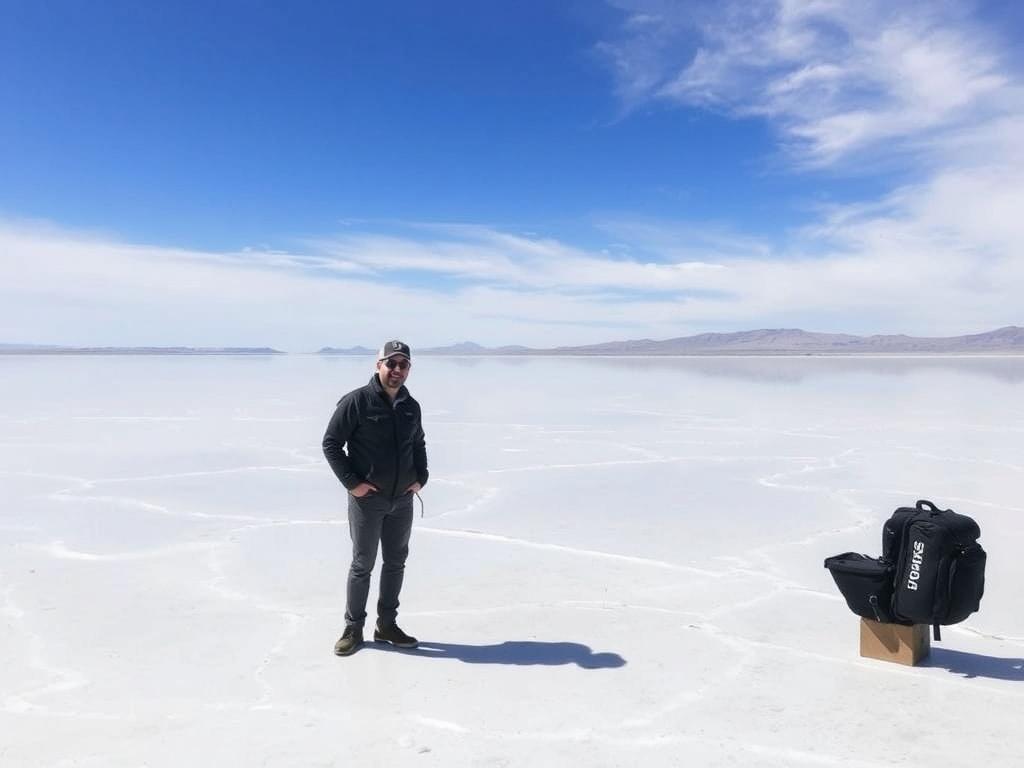
Packing for Uyuni is about preparing for extremes: intense sun during the day, freezing nights, and the possibility of wind and rain. Here’s a list to guide you.
- Layered clothing: Thermal base layers, a warm fleece or down jacket, and a windproof outer shell. Temperatures swing dramatically.
- Good sun protection: Sunglasses (UV-rated), sunscreen (high SPF), and a wide-brimmed hat. The white salt reflects sunlight strongly.
- Sturdy footwear: Waterproof hiking boots for wet season excursions and rocky islands; warm socks for cold evenings.
- Camera gear: Wide-angle lens for landscapes, tripod for long exposures or mirror shots, spare batteries (cold drains batteries faster), and microfibre cloths (salt can be rough on lenses).
- Personal medications and altitude sickness remedies: Consult your doctor about acetazolamide if you are prone to altitude sickness. Pack a basic first-aid kit.
- Reusable water bottle and electrolyte mixes: Staying hydrated at high altitude is crucial.
- Cash (Bolivianos) and copies of travel documents: ATMs exist in Uyuni but may have limits and currency exchange in town is practical.
A small table with a condensed packing checklist may help:
| Category | Items |
|---|---|
| Clothing | Thermals, fleece, down jacket, waterproof jacket, gloves, hat, sun hat |
| Sun & Eye Protection | Sunglasses, sunscreen, lip balm (with SPF) |
| Footwear | Hiking boots, warm socks, sandals (optional) |
| Health & Safety | First-aid kit, altitude meds, personal prescriptions, hand sanitizer |
| Camera & Electronics | Camera, tripod, spare batteries, chargers, power bank |
| Miscellaneous | Cash, photocopies of passport, water bottle, snacks |
Staying healthy: altitude and safety
Uyuni sits at about 3,650 meters (12,000 feet) above sea level, and some excursions go higher into altitudes above 4,000 meters (13,000+ feet). Altitude can affect anyone, even fit travelers, with symptoms ranging from mild headaches and nausea to more severe conditions. Here are some practical tips:
- Acclimatize: Spend a day or two in La Paz, Potosí, or Uyuni before joining high-altitude tours to let your body adjust.
- Hydrate: Drink water regularly and avoid excessive alcohol consumption in the first 48 hours.
- Eat lightly: High-carbohydrate meals can help; avoid large fatty meals before exertion at altitude.
- Recognize symptoms: Common signs include headache, dizziness, fatigue, and shortness of breath; severe symptoms require immediate descent and medical help.
- Bring medication: If you are prone to altitude sickness, consult a physician about preventive medication like acetazolamide.
Regarding general safety, the Salar de Uyuni is remote; mechanical problems, weather shifts, or delays can occur. Travel with reputable operators who carry satellite communication or reliable phones, extra fuel, and emergency supplies.
Responsible travel: protecting a fragile landscape
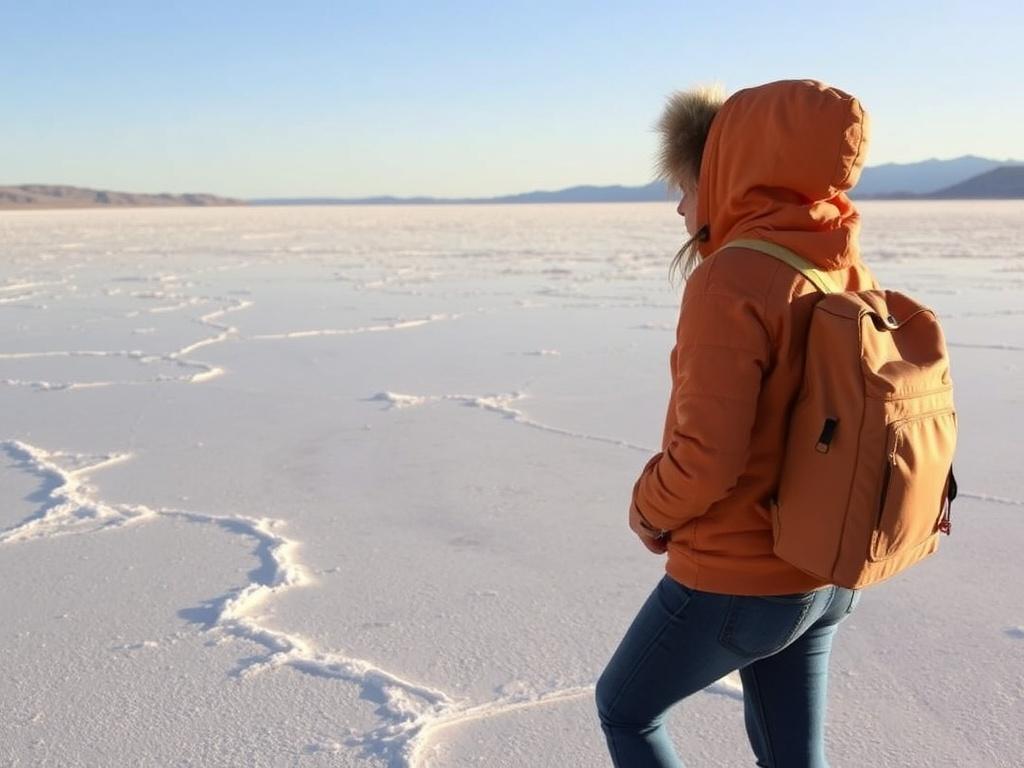
The salt flats are both resilient and fragile. While the salt crust appears impervious, it can be damaged by careless driving, litter, and unregulated mineral extraction. The rising global demand for lithium introduces new pressures on the region, and local communities are engaged in complex debates about economic development and environmental stewardship.
As a visitor, you can make choices that reduce your footprint:
- Respect local regulations: Follow signage, stay on designated routes, and avoid walking on fragile crust where guides advise against it.
- Leave no trace: Pack out your trash, avoid single-use plastics, and support tour operators that adhere to waste management practices.
- Support local businesses: Use locally owned tour operators, eat in local restaurants, and buy crafts directly from artisans.
- Be mindful of water: Water is scarce in the high plateau; conserve where possible and avoid contaminating freshwater sources.
Learning about the region’s environmental and social challenges will make your visit more meaningful. Conversations with local guides and community members can add depth to your understanding of how the salt flats feature in both local identity and national economies.
Food, culture, and meeting local people
Uyuni and nearby communities are steeped in Aymara and Quechua cultures. Markets and small eateries in Uyuni and regional towns offer hearty, simple meals — soups, stews, and locally sourced produce like quinoa and potatoes. Salteñas (Bolivian savory pastries) and api (a hot purple-corn beverage) are regional treats you might try. Hospitality in the Altiplano tends to be warm and practical: expect straightforward conversation, regional music, and opportunities to learn about local livelihoods like llama herding, small-scale agriculture, and salt collection.
Language-wise, Spanish is the lingua franca, but many locals speak Aymara or Quechua. A few words and gestures of respect in local languages — or simply a smile and interest — usually go a long way.
Suggested itineraries: make the most of your time
How long should you stay? That depends on your interests. A quick day trip or half-day tour introduces you to key highlights. A multi-day circuit that pushes into the southwestern highlands gives you a broader sense of the region’s ecosystems and wildlife. Below are two sample itineraries.
| Duration | Highlights | Why choose it |
|---|---|---|
| 1 day | Train cemetery, Salt Hotel (photo stop), Isla Incahuasi, sunset on the flats | Ideal for short schedules, gives a taste of the salt flats and iconic photo spots. |
| 3 days / 2 nights | Uyuni town, full salt-flat crossing, Isla Incahuasi, laguna colorada, geysers, hot springs | Balanced excursion that includes major natural highlights and wildlife; suitable for photographers and general travelers. |
| 5 days / 4 nights | Extended route into Eduardo Avaroa Reserve, multiple lagoons, flamingo spotting, desert landscapes, cultural visits | For deeper exploration, birdwatchers and nature lovers. More remote and immersive. |
Sample 3-day plan
- Day 1: Arrive in Uyuni town, visit train cemetery, overnight in salt hotel or Uyuni lodging.
- Day 2: Enter the salt flats, visit Isla Incahuasi, explore salt hotels and geological formations, sunset photography on the flats, overnight in a basic lodge.
- Day 3: Early departure to visit nearby lagoons and return to Uyuni mid-afternoon for departure or onward travel.
Photography tips: capturing the magic
Photographing Uyuni is rewarding but requires some thought.
Gear and settings
- Wide-angle lens (14–35mm): Captures expansive panoramas and sky reflections.
- Telephoto lens (70–200mm): Isolates details — flamingos, distant islands, or geological features.
- Tripod: Essential for long exposures, low-light shots, and precise compositions during mirror reflections.
- Spare batteries and memory cards: Cold drains batteries and clear skies encourage heavy shooting.
- Lens cloths and protective covers: Salt spray or dust can be abrasive — gently clean gear often.
Compositional ideas
- Use a low angle to elongate reflections and emphasize foreground textures like salt polygons.
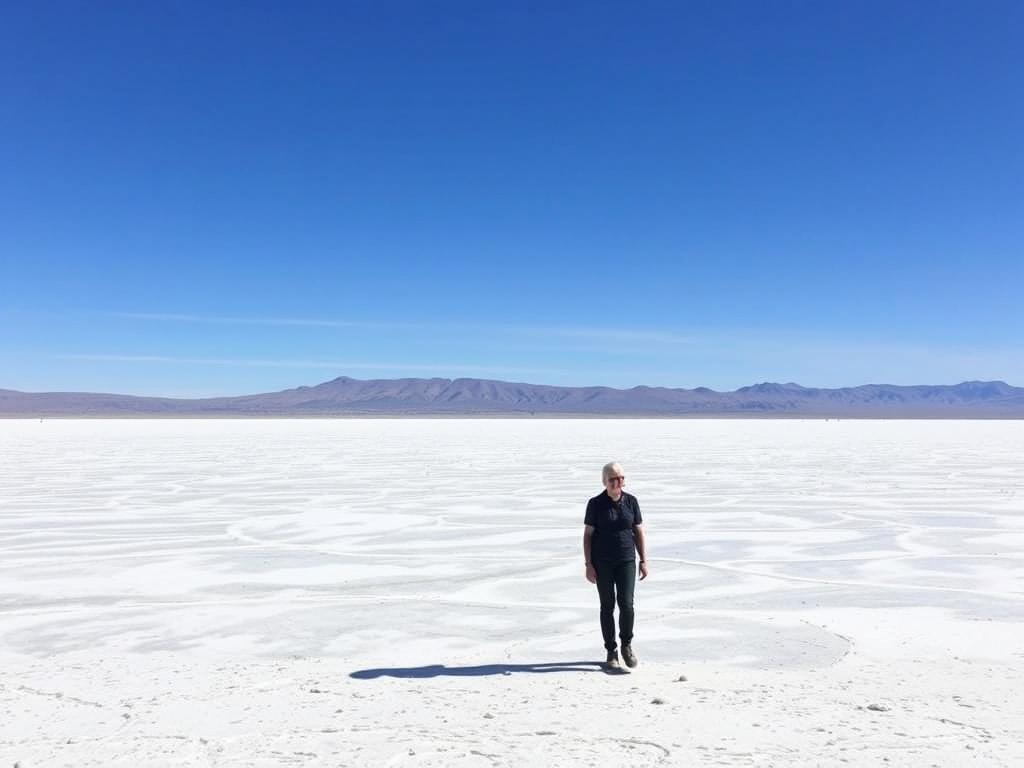
- Include a human subject or vehicle for scale; without scale, vastness can be lost on camera.
- Experiment with forced-perspective shots on the salt crust when it’s dry — they can be playful and amusing.
- Shoot during golden hour for warmer tones; the blues of the sky contrast beautifully with the white salt.
Budget and costs: planning financially
Costs vary depending on seasons, tour length, accommodation, and whether you fly or travel overland. Here’s a simple breakdown to guide you:
- Budget travelers: Hostels, shared tours, and public transport reduce costs. Expect to pay for a day tour, basic meals, and simple lodgings.
- Mid-range: Private or small-group tours with better vehicles, overnight stays at salt hotels or nicer lodges, and some guided wildlife excursions.
- Higher-end: Private tours, more comfortable vehicles, private guides, and superior lodging or bespoke photography-focused itineraries.
Always factor in park entrance fees, tips for guides/drivers, travel insurance (important for remote areas), and contingency cash for delays or extra needs.
Common questions travelers ask
Is Uyuni safe for solo travelers?
Yes, many solo travelers visit Uyuni safely. Use common precautions: travel with reputable tour operators for remote routes, secure your belongings in town, and avoid unnecessary risks at night. If you’re solo and want company, many group tours are available.
Can I visit Uyuni year-round?
Yes, but the experience differs by season. Rainy months offer mirror reflections; dry months offer easier driving and clearer skies. Plan according to what you want to see.
Do I need special permits?
Most popular areas are accessible via organized tours and don’t require special permits for short tourist visits, though national park fees and protected area permits may apply on longer routes. Your tour operator typically handles these.
How accessible is Uyuni for travelers with mobility challenges?
The flats themselves are physically accessible in many areas because the surface is flat, but getting to remote islands or navigating the rough terrain and vehicles may be difficult. Facilities in remote lodges are often basic. Discuss accessibility needs with tour operators before booking.
Final practical tips
- Bring cash: Small towns may have limited card services.
- Plan flexibly: Weather and road conditions can affect timing and routes.
- Ask about insurance: Ensure your travel insurance covers remote rescue and medical evacuation if you plan on high-altitude excursions.
- Respect local customs: A polite greeting, interest in local stories, and supporting local businesses enriches your trip.
Conclusion
Visiting the Salar de Uyuni is a quiet kind of revelation — a place that humbles with scale, surprises with color and wildlife, and rewards thoughtful preparation and respect for its fragile environment; plan carefully, travel responsibly, bring layers and spare batteries, choose your season by the experience you want, and allow the flats to slow your pace so you can appreciate one of Earth’s most extraordinary landscapes.