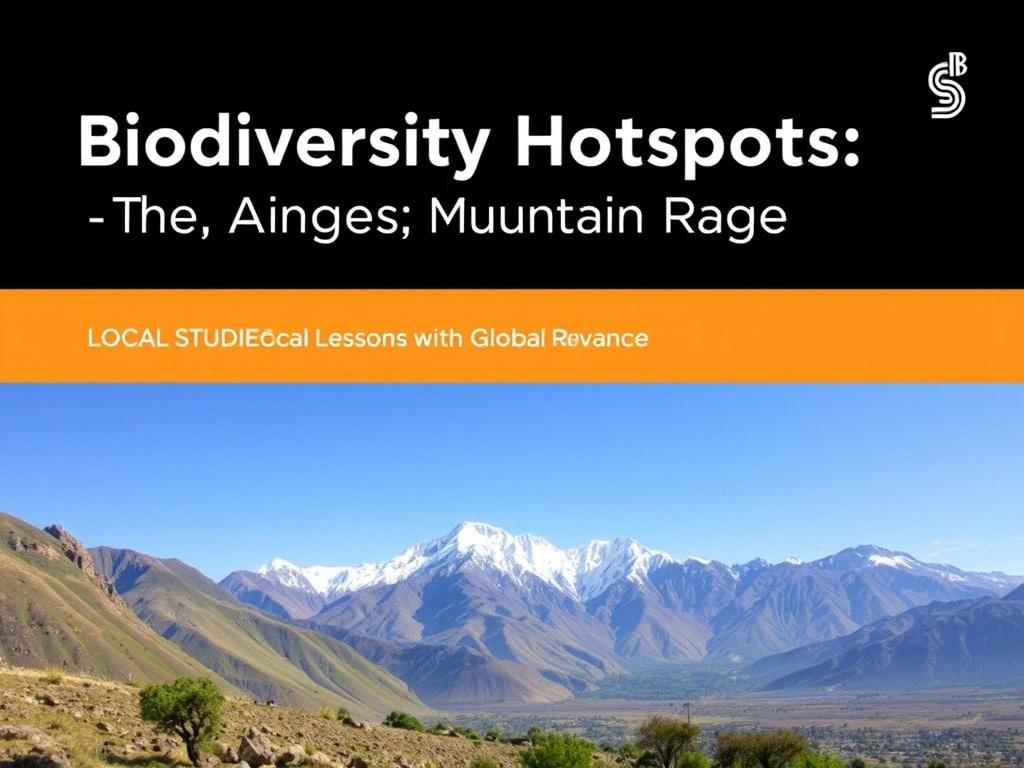
The Andes are more than a dramatic spine of peaks and passes running down the western edge of South America; they are a living, breathing archive of evolution, culture, and survival. Stretching nearly 7,000 kilometers from Venezuela in the north to Tierra del Fuego in the south, the Andes shape climate, water resources, agriculture, and the lives of millions of people. When we talk about biodiversity hotspots, the Andes pop to the top of the list not just because of their sheer species richness, but because of the intense concentration of unique life forms—species found nowhere else on Earth—and the acute threats they face. In this article I’ll take you on a journey up and down Andean slopes, into cloud forests and high-altitude grasslands, through dry intermontane valleys and across glacier-fed rivers. We’ll explore why the Andes are so special biologically, what ecosystems live there, who depends on them, what is threatening them, and what creative solutions are being tried to protect this extraordinary mountain range.
Why the Andes Are a Biodiversity Hotspot
The first thing to understand is that mountains are biodiversity engines. They create a mosaic of climates and isolated habitats in tight spaces. In the Andes, elevation changes of thousands of meters over short horizontal distances mean that a hike from valley floor to ridge can take you through tropical forest, cloud forest, montane forest, and high grassland—each with its own communities of plants and animals. This altitudinal variety produces microclimates, many microrefugia where populations can persist and diverge. Over geological timescales, this fragmentation has driven speciation: lineages split apart on different peaks and evolve independently, creating endemics.
But it isn’t just the verticality. The Andes straddle the equator and extend into temperate and subantarctic latitudes, giving them an enormous climatic and ecological breadth. The result is a layering of biodiversity: tropical rainforests at lower elevations in the north, cloud forests and páramos (high-altitude grasslands and shrublands) in the central belt, and grasslands, shrub steppes and deserts in the southern stretches. Each region hosts unique assemblages that together make the Andes one of the world’s richest and most complex biological systems.
Another factor is the geological youth and dynamism of the range. The Andes are tectonically active, and mountain uplift creates new habitats and isolates populations. Glacial cycles in the Quaternary repeatedly compressed and expanded species’ ranges, creating opportunities for adaptive divergence and recolonization. Human cultures have also interacted with—and shaped—Andean landscapes for millennia. Indigenous agricultural systems, terracing, and managed forests add another layer of biodiversity patterns, often maintaining high habitat heterogeneity.
Geography and Scale
The Andes traverse seven countries (Venezuela, Colombia, Ecuador, Peru, Bolivia, Chile, and Argentina) and host a staggering array of ecosystems. Major ecological zones include lowland Amazonian foothills, montane forests, cloud forest, páramo, puna, dry inter-Andean valleys, and coastal deserts where the range approaches the Pacific. Elevations commonly exceed 4,000 meters in many parts, and the highest peaks rise above 6,000 meters. These extremes mean that life here has adapted to thin air, intense ultraviolet radiation, temperature swings between day and night, and steep hydrological gradients.
When you move laterally along the mountain chain, local geology, rainfall patterns, and wind exposure produce very different habitats even at similar elevations. For example, the eastern slopes facing the Amazon Basin are humid and species-rich, while western slopes in Peru and Chile can be dramatically drier. This patchwork enhances the Andes’ role as a reservoir of global biodiversity.
Signature Andean Ecosystems
Climbing the Andes is like turning the pages of an ecological encyclopedia. Each altitude band offers a distinct community with characteristic plants and animals. Below is an accessible tour through the main ecosystems, with emphasis on the specialties that make each one important.
Montane and Cloud Forests
Montane and cloud forests sit in the moist band between lowland rainforest and high-elevation grasslands. Perennially shrouded in mist, these forests are saturated with epiphytes—orchids, bromeliads, mosses, and ferns—that drape trunks and branches. Trees are often shorter and gnarled compared with lowland forests, but they support incredibly rich invertebrate and bird communities. Because cloud forests trap moisture and regulate local rainfall patterns, they also act as natural water towers for downstream populations.
These forests harbor rare and specialized species: endemic frogs that require the misty understory, hummingbirds with unique bill shapes adapted to local flowers, and mammals such as the spectacled bear that use forest patches as corridors. Unfortunately, cloud forests are frequently cleared for agriculture and replaced by pasture or crops, fragmenting habitat and weakening their water-regulation services.
Páramo and Puna: High-Altitude Grasslands
Above the tree line lies a strangely beautiful world of páramo and puna—high-elevation grasslands, shrublands, and cushion plant communities. Páramo is mostly found in the northern Andes (Ecuador, Colombia, northern Peru) and is a cold, wet ecosystem that captures fog and rainfall, storing water in spongy peat soils and tussock grasses. It is a crucial source of freshwater for millions of people downstream. Puna, more common in central and southern sections, is drier and often grazed by camelids and livestock.
These highlands are home to specialized life forms: giant rosette plants that trap moisture, endemic grasses, and animals like the Andean condor, vicuña, and several species of frogs and rodents adapted to low oxygen and cold temperatures. Because páramo soils sequester large amounts of carbon, protecting them has climate benefits beyond local water security.
Dry Inter-Andean Valleys and Montane Scrub
In some areas the Andes create rain shadows—dry valleys and scrublands that support highly specialized desert-adapted species. These zones often show high endemism because populations become isolated in pockets of suitable habitat. Unique cacti, reptiles, and bird species inhabit these belts. However, dry valleys are also attractive for agriculture because of their flat terrain and access to water from rivers, which has led to extensive conversion and habitat loss.
Glaciers and High-Andean Wetlands
Glaciers and their associated meltwater systems are vital to mountain landscapes. Glacial lakes, streams, and wetlands (bofedales and high-altitude bogs) maintain flow regimes for rivers and provide breeding grounds for amphibians and birds. The retreat of glaciers—accelerated by climate change—alters seasonal water availability and threatens species that depend on cold-water habitats. Wetlands also store carbon and host unique plant communities that thrive in saturated soils.
Extraordinary Species of the Andes
If you love biodiversity, the Andes are a museum and a frontier rolled into one. From plants to vertebrates to insects, the range supports countless unique lineages.
Plants: The Green Wealth
Andean plant diversity is staggering. Orchid diversity in cloud forests is exceptionally high, with many species restricted to single valleys or ridges. Polylepis, a genus of stunted trees, is endemic to high elevations and forms the world’s highest-elevation woodlands; these Polylepis forests are biodiversity hotspots within hotspots, hosting endemic birds, insects, and mammals. Bromeliads and other epiphytes add vertical habitat complexity, providing microhabitats for frogs, insects, and small mammals.
Unique lifeforms like the giant rosette plants (Espeletia and related genera in the páramo) have evolved remarkable adaptations to cold and drought. Peat-forming sedges and cushion plants help retain water and shape the hydrology of highland catchments.
Birds: Hummingbirds, Tanagers, and Condors
The Andes are a birdwatcher’s paradise. Hummingbirds are particularly diverse here, with many species showing extreme bill specialization tied to specific flower types. Tanagers, a colorful family of passerine birds, also radiated enormously in Andean forests. The Andean condor, a charismatic vulture with cultural significance for many Indigenous peoples, soars over mountain plateaus and is a symbol of conservation challenges and successes.
A useful way to look at avian diversity is by altitude: certain species are confined to montane cloud forest, others to páramo, and still others to riparian corridors. This elevational stratification increases overall species richness because different niches are stacked vertically.
Mammals: From Bears to Camelids
The spectacled bear is the only surviving bear species in South America and a flagship for montane forest conservation. The mountain tapir, smaller and more threatened than its lowland cousins, inhabits cloud forests and high-elevation humid forests. Vicuñas, llamas, and alpacas (domesticated relatives) graze puna and altiplano regions; vicuñas are valued for their fine wool and were historically hunted until conservation measures revived populations.
Small mammals—rodents, shrews, and marsupials—show high levels of endemism in isolated valleys and forest fragments. These small-bodied species often go unnoticed but are crucial components of food webs and seed dispersal networks.
Amphibians and Reptiles: Hidden Diversity
Amphibians in the Andes include a striking diversity of frogs, many of which are microendemic, meaning they occur in extremely small ranges. Cloud forest streams, mossy understories, and ephemeral highland pools support species that depend on cool, moist conditions. Reptiles—lizards and snakes adapted to rock outcrops and xeric slopes—also display tight geographic specializations.
The high levels of amphibian endemism make these groups particularly vulnerable to climate fluctuations, disease (such as chytrid fungus), and habitat loss. Communities of frogs can be early indicators of environmental stress because of their sensitivity to temperature and moisture changes.
Why the Andes Matter to People
Biodiversity in the Andes is not just an abstract concern for scientists; it underpins human well-being across the region. Mountains provide ecosystem services that support agriculture, urban centers, and cultural traditions.
Water Towers and Agriculture
The high Andes function as natural water towers. Snowpack, glaciers, and páramo soils capture and hold water, releasing it slowly during dry seasons. Rivers originating in the range supply drinking water, irrigation, and hydropower for millions. In many Andean countries, cities depend directly on mountain catchments. When these systems are degraded by deforestation, overgrazing, or glacial loss, the resulting water insecurity hits the most vulnerable people first.
Andean agricultural systems have coevolved with local biodiversity. Terraced fields, native crop varieties (including thousands of potato varieties), and agroforestry systems contribute to genetic diversity and food security. Many Indigenous communities maintain seed banks and knowledge systems that preserve resilient crops adapted to mountain climates.
Cultural Value and Livelihoods
The Andes are a cultural tapestry. Indigenous peoples have shaped the landscapes through traditional land management—burning, grazing, cultivation—which in many cases enhances habitat heterogeneity and biodiversity. Sacred groves, páramo stewardship, and ritual uses of plants reflect deep connections between people and biota. Ecotourism—birdwatching, trekking, and visiting archaeological sites—generates income linked directly to healthy ecosystems.
Threats Facing Andean Biodiversity
The Andes’ status as a hotspot is a two-edged sword: the same geological and climatic drivers that promote diversity also magnify vulnerability. Small ranges, fragmented habitats, and species restricted to tiny areas mean that disturbances can have outsized impacts. Major threats include:
Deforestation and Agricultural Expansion
Lowland forests and montane forests are cleared for cattle ranching, crop production (coffee, cacao, soy), and smallholder agriculture. Even selective logging and fuelwood collection can degrade habitat and reduce connectivity. Fragmentation isolates populations, making them more susceptible to local extinctions.
Mining and Road Building
The Andes are rich in minerals. Mining—both large-scale and artisanal—can pollute waterways with heavy metals, alter hydrology, and remove vegetation cover. Road construction opens remote areas to colonization, illegal logging, and wildlife hunting. Roads also create barriers to animal movement and facilitate the spread of invasive species.
Grazing and Overuse of Highlands
Puna and páramo ecosystems are often grazed by livestock, which can compact soils, reduce plant cover, and change fire regimes. While traditional grazing practices can be sustainable, intensification without rest periods or adaptation can transform ecosystems and reduce their water retention capacity.
Climate Change and Glacial Retreat
Rising temperatures and altered precipitation patterns are reshaping Andean ecosystems. Glaciers are retreating, which alters seasonal streamflow and reduces the long-term availability of meltwater. Species adapted to narrow thermal bands are being pushed upward, sometimes to the point where no suitable habitat remains. Mountain ecosystems have fewer options for migration compared to lowland species, increasing extinction risk.
Disease and Invasive Species
Pathogens like chytrid fungus have devastated amphibian populations in the Andes. Invasive plants and animals—introduced through trade, agriculture, and travel—compete with or prey upon native species, altering community dynamics. In some cases invasive grasses change fire regimes, further degrading native habitats.
Conservation Strategies and Success Stories
Despite the challenges, the Andes also host many conservation success stories and innovative approaches. The complex social and ecological fabric of the range demands multifaceted solutions that combine protected areas with community stewardship and market-based incentives.
Protected Areas and Landscape Connectivity
National parks, biosphere reserves, and private reserves protect critical habitats. Well-managed protected areas—like Manu National Park in Peru—safeguard huge swaths of montane and lowland forest with astonishing species richness. However, protecting isolated pockets is not enough; connectivity through ecological corridors is essential so species can move in response to climate shifts and recolonize degraded lands.
Community-Based Conservation
Local and Indigenous communities are often the most effective stewards. Community-managed reserves, co-managed protected areas, and Indigenous conservation initiatives wrap cultural values into biodiversity protection. Payment-for-ecosystem-services programs that compensate communities for conserving water-regulating páramo or forests are becoming more common and offer a pathway to align livelihoods with conservation.
Restoration and Reforestation
Restoration projects across the Andes work to reestablish native forest patches, replant Polylepis woodlands, and rehabilitate degraded páramo. These efforts can improve water retention, increase carbon sequestration, and provide habitat for returning species. Successful restoration balances ecological goals with local needs for fuelwood, timber, and grazing land.
Species-Specific Actions
Some threatened species have benefited from targeted actions. Condor restoration programs—captive breeding, anti-poisoning campaigns, and community outreach—have helped stabilize local populations. Vicuña management, through regulated shearing and market access for fine wool, transformed a formerly hunted species into a valuable resource worth conserving.
Science, Monitoring, and Citizen Involvement
Long-term monitoring programs, biodiversity inventories, and research on species’ climate tolerances inform smarter conservation. Citizen science—local observations, bird counts, and water monitoring—can augment scientific capacity and build public engagement. Technology such as remote sensing, acoustic monitoring, and environmental DNA (eDNA) offers new tools for tracking biodiversity over large and inaccessible areas.
Case Studies: Local Lessons with Global Relevance
Real-world examples reveal what works and where more effort is needed. Here are a few illuminating cases.
Polylepis Forest Restoration (Peru and Bolivia)
Polylepis woodlands once covered large areas of Andean highlands but were fragmented by logging and grazing. Restoration projects led by local communities and NGOs have replanted Polylepis seedlings, fenced regenerating patches against livestock, and used traditional ecological knowledge to nurture recovery. These restored patches provide habitat for endemic birds and improve local water regulation. The projects show how combining science and tradition can rebuild rare ecosystems.
Páramo Protection and Water Security (Ecuador)
In Ecuador, protecting páramo ecosystems has become a national priority because of their role in water supply for cities like Quito. Payment-for-ecosystem-services schemes compensate upstream communities for conserving and restoring páramo, linking water users in urban areas with rural stewards. These programs reinforce the direct link between biodiversity conservation and human well-being.
Mining Conflicts and River Health (Peru and Colombia)
Mining in the Andes has often created intense conflicts over water quality and access. In some areas, strong legal frameworks and active civil society engagement have pushed companies to adopt stricter environmental practices, rehabilitate impacted areas, and support community development. However, challenges remain where governance is weak and informal mining persists.
Tools and Policy Approaches for Andean Conservation
To scale conservation effectively across the Andes requires integrating science, policy, finance, and community rights. Several tools and approaches are particularly promising.
Integrated Watershed Management
Managing entire catchments rather than isolated patches recognizes the hydrological connectivity that binds mountain and lowland environments. Integrated watershed approaches coordinate land use planning, reforestation, sustainable agriculture, and water allocation mechanisms to sustain both biodiversity and human needs.
Protected Area Networks and Transboundary Cooperation
Because the Andes cross national borders, transboundary conservation initiatives can create continuous protected corridors. International cooperation—sharing research, harmonizing protected-area policies, and supporting cross-border ecological connectivity—amplifies local conservation gains.
Market-Based Incentives and Sustainable Commodities
Certification schemes (organic, shade-grown coffee, sustainable wool) create market rewards for biodiversity-friendly farming and grazing. Access to premium markets can incentivize landscape practices that maintain habitat and conserve genetic diversity. Coupled with technical assistance, these schemes can shift local economics toward conservation-compatible livelihoods.
Climate-Smart Conservation
Conservation planning increasingly needs to incorporate climate projections. Identifying climate refugia (areas likely to remain suitable for species even under warming), restoring elevational corridors for species migrations, and preserving microrefugia within landscapes are all strategies to help biota track shifting climates.
How You Can Help: Practical Actions
Individual choices matter. Whether you live in the Andes or thousands of kilometers away, you can support Andean biodiversity in meaningful ways.
- Support ethical ecotourism that benefits local communities and funds conservation.
- Buy sustainably sourced products—coffee, cacao, wool—that support biodiversity-friendly practices.
- Donate to or volunteer with organizations working on Andean conservation, restoration, and community development.
- Advocate for strong environmental policies and responsible mining practices in countries where you can influence decisions.
- Engage with citizen science projects that support biodiversity monitoring in mountain regions.
Key Ecosystems, Elevations, and Typical Threats
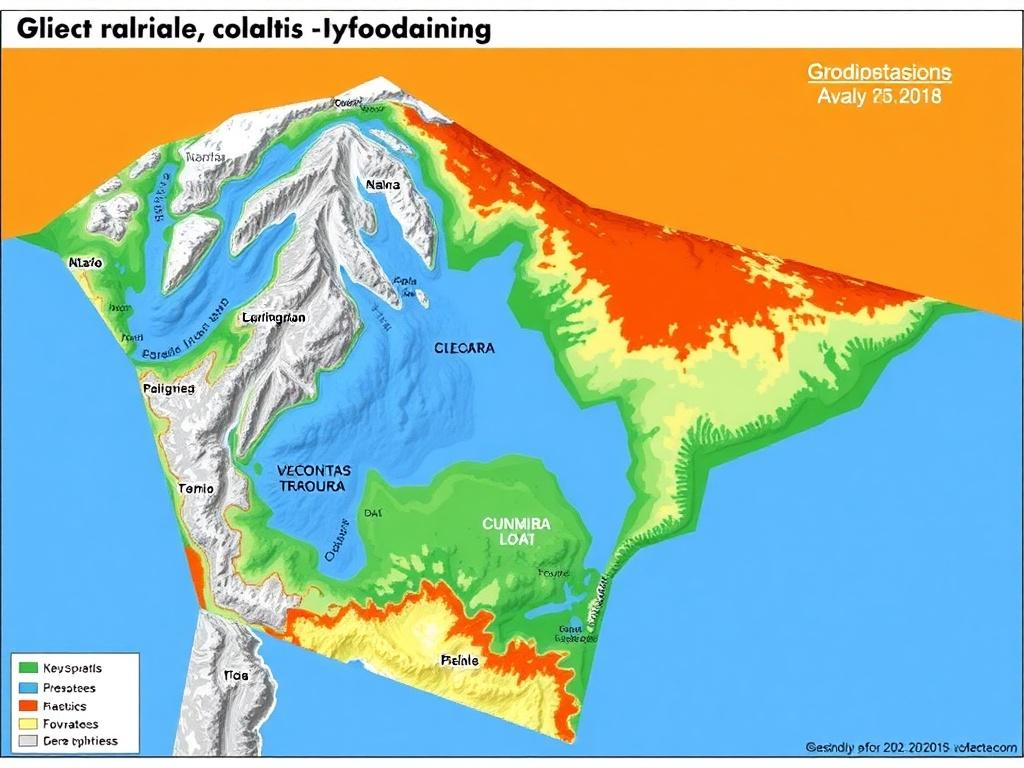
Below is a concise table summarizing major Andean ecosystems, their typical elevation ranges, characteristic species, and principal threats. This snapshot helps visualize how elevation structures both biodiversity and vulnerability.
| Ecosystem | Typical Elevation | Characteristic Species | Principal Threats |
|---|---|---|---|
| Lowland Amazonian Foothills | 200–1,200 m | High tree diversity, primates, macaws, amphibians | Deforestation for agriculture, logging |
| Montane/Cloud Forest | 1,200–3,200 m | Epiphytic orchids, bromeliads, spectacled bear, hummingbirds | Clearing for pasture, fragmentation |
| Páramo (High-Andean Grasslands) | 3,200–4,500 m | Espeletia, peat bogs, mountain tapir, birds | Grazing, peat degradation, climate change |
| Puna and Altiplano | 3,500–4,800 m | Vicuña, puna grasses, wetland bofedales | Overgrazing, mining impacts, water extraction |
| Dry Inter-Andean Valleys | 500–2,000 m | Cacti, endemic reptiles, specialized birds | Irrigation-driven agriculture, urban expansion |
| High-Andean Wetlands & Glacial Lakes | 3,500–5,000+ m | Amphibians, migratory birds, cold-water fish | Glacial retreat, water diversion, pollution |
Policy and Finance Instruments
A final practical table highlights some policy tools and the potential benefits they bring when applied to Andean conservation.
| Tool | What It Does | Potential Benefit |
|---|---|---|
| Payments for Ecosystem Services | Compensates land stewards for conservation actions | Maintains water supply, reduces deforestation |
| Community Conserved Areas | Grants local communities management rights | Aligns conservation with cultural values and livelihoods |
| Protected Area Networks | Establishes legal protection for habitats | Preserves large-scale biodiversity and ecological processes |
| Sustainable Certification | Rewards biodiversity-friendly production | Improves market access, reduces habitat loss |
Research Frontiers and Knowledge Gaps
The Andes are still yielding surprises to scientists. New species are regularly described, especially among insects, amphibians, and plants. But there are important knowledge gaps that limit conservation planning.
Mapping Microrefugia and Genetic Diversity
We need finer-grained maps of microclimates and genetic diversity to identify the most resilient areas under future climate scenarios. Genomic studies can reveal which populations harbor genetic variants important for adaptation, guiding conservation priorities.
Understanding Hydrological Responses
Hydrology in mountain systems is complex. More research on how páramo soils, glacial melt, and seasonal precipitation interact will improve water management strategies that balance downstream needs with in-situ ecological integrity.
Socioeconomic Research
Conservation is ultimately about people and incentives. Understanding how communities make land-use decisions, how market forces influence habitat conversion, and what policy designs most effectively reward stewardship is critical for scaling conservation.
Final Thoughts on Complexity and Hope
The Andes embody complexity: ecological, cultural, and political. Conservation here cannot be a one-size-fits-all project. It requires blending local knowledge with scientific evidence, national policy with community rights, and short-term livelihoods with long-term ecosystem services. The good news is that many pathways forward exist—restoration, protected areas, sustainable market incentives, and community stewardship—and examples already show positive outcomes. The challenge is to scale those successes across a vast and diverse terrain while ensuring equity, sovereignty, and resilience.
Conclusion
The Andes mountain range is a planet-class biodiversity hotspot whose towering slopes and mosaic of ecosystems host staggering numbers of species, many of them found nowhere else, and whose ecological processes sustain millions of people through water, food, and cultural values; yet this living treasure faces interconnected threats—deforestation, mining, grazing pressures, invasive species, and the accelerating impacts of climate change—that demand integrated, locally led, and scientifically informed conservation strategies that protect habitats, connect landscapes, support livelihoods, and safeguard the mountain range’s role as a resilient source of biodiversity and human well-being for generations to come.