
There’s a rhythm in the streets of Latin America that you can feel in your chest before you see it: drums, laughter, and a thousand brilliant colors moving together. Festivals here are not just events; they are living stories, woven through generations and calling visitors to join in the feast. In this guide, I’ll take you through the most dazzling celebrations, the quieter local rituals, and the practical know-how you need to plan a trip that’s as joyful as it is respectful.
Whether you’re dreaming of samba and sequins in Brazil, ancient Inca ceremonies in the Andes, the tender remembrances of Day of the Dead in Mexico, or bubbling street parties in Colombia, this article will be your travel companion. Expect history and myth, food and music, dos and don’ts, plus a handy festival calendar and tips for packing. Let’s dive into the heart of Latin America’s festivals—places where past and present meet, and where everyone, for a moment, celebrates life together.
Why Festivals Matter in Latin America
Festivals in Latin America carry layers of meaning: indigenous rituals blended with Catholic traditions, colonial history interlaced with modern creativity, and community identity boldly proclaimed in public squares. These events are where societies remember, reinvent, and express what matters most—family, faith, harvest, resistance, and joy. The vibrancy you see on the outside is the visible expression of social bonds, local pride, and memory.
For travelers, festivals are more than photo ops. They are an invitation to witness cultures in full display, to taste regional specialties made only once a year, and to meet locals who are at their warmest and most generous. That said, festivals also demand respect: many are sacred or carry deep cultural significance. Approaching them with curiosity, humility, and basic etiquette will make your experience far richer.
Major Festivals and What Makes Each Unique
Carnival (Brazil and Beyond)
If there is one festival that epitomizes exuberance, it’s Carnival. While Brazil’s Rio de Janeiro is world-famous for samba school parades and glittering floats, Carnival is celebrated across Latin America in many local forms—Uruguay’s comparsas, Colombia’s Barranquilla festivities, and small-town street parties in Peru and Ecuador. Expect parades, costumes, dancing, and an energy that lasts late into the night.
Historically tied to the Catholic calendar (the days before Lent), Carnival blends African, European, and indigenous influences, especially in music and dance. For visitors: book accommodations months in advance, secure tickets for major parades early, and carry a small bag with essentials—water, sunscreen, ID, and cash.
Inti Raymi (Peru)
Inti Raymi, the Festival of the Sun, is a spectacular reenactment of an Inca ceremony held every June 24th in Cusco. It’s an impressive mix of pageantry and ritual, performed near the ancient fortress of Sacsayhuamán. The day honors Inti, the sun god, and showcases traditional garments, music, and ceremonial offerings.
Visitors are often moved by the solemnity and theatricality of Inti Raymi. It’s less of a street party and more of a living history experience. If you plan to attend, expect cold high-altitude weather, so layer up, and consider acclimatizing in Cusco for a few days before participating.
Día de los Muertos / Day of the Dead (Mexico and parts of Central America)
Far from a somber memorial, Day of the Dead celebrates the lives of those who have passed. Families build altars (ofrendas) with photos, marigolds, favorite foods, and candles to welcome spirits back for a visit on November 1–2. In towns like Oaxaca, Patzcuaro, and Mexico City, you’ll find public parades, sand tapestries, and candlelight vigils in cemeteries.
Respect is essential here—this is an intimate, spiritual time for many families. If you visit cemeteries, observe quiet behavior, ask for permission before photographing mourners, and learn a few phrases to show your appreciation of the ritual.
Carnaval de Oruro and La Diablada (Bolivia)
Bolivia’s Carnaval de Oruro is a UNESCO-recognized festival blending Catholic and indigenous Andean traditions. One of its most iconic spectacles is La Diablada—the Dance of the Devils—where performers in ornate devil masks, gleaming costumes, and bells parade for hours. The festival is rooted in agricultural rites and religious devotion, and its choreography and costumes are breathtakingly intricate.
Attending Oruro gives you a window into syncretic religious expression—pre-Columbian deities and Catholic saints exist side by side in ritual practice. If you go, prepare for cold weather and long hours if you intend to follow the pilgrimage-style parade.
Semana Santa (Holy Week) — Guatemala and Across Latin America
Semana Santa (Holy Week) is observed throughout Latin America with processions, carpets (alfombras) made from colored sawdust and flowers, and intense religious pageantry. Antigua, Guatemala, is famous for its giant alfombras that decorate cobblestone streets and the elaborate processions that carry carved religious images. The atmosphere balances reverence and communal artistry.
Tourism spikes during Semana Santa—reserve lodging early and be respectful during processions. If you’re interested in cultural anthropology, this week offers fascinating insights into continuity and adaptation in religious ritual.
Festival de la Candelaria (Puno, Peru)
Every February, the shores of Lake Titicaca in Puno erupt in color for the Festival of the Virgin of Candelaria. This festival combines Andean dance traditions with Catholic devotion, featuring thousands of dancers, musicians, and elaborate costumes. It’s both a street theater and religious celebration, with roots in indigenous winter rites that were absorbed into Marian festivals after colonization.
For travelers, Puno’s elevation (about 3,800 meters) is an important consideration—altitude sickness can hit unexpectedly, so drink water, move slowly, and limit alcohol on your first days. The dances are spectacular and often represent local identity and community histories.
Feria de las Flores (Medellín, Colombia)
Medellín’s Feria de las Flores (Flower Festival) in August showcases the region’s extraordinary flower industry. The Desfile de Silleteros—a parade where flower growers carry massive, ornate flower “backpacks”—is the highlight. The festival also includes concerts, horse parades, and cultural events celebrating Antioquian traditions.
Medellín’s festival blends urban energy with agricultural pride, and it’s a great time to enjoy the city’s parks, museums, and food scene. Medellín has transformed its image over recent decades, and the festival reflects civic pride and cultural renewal.
La Guelaguetza (Oaxaca, Mexico)
La Guelaguetza is a spectacular festival celebrating the indigenous cultures of Oaxaca with dance, music, and traditional dress. Held every July in the city’s Guelaguetza auditorium and surrounding plazas, it’s a display of regional identity and communal exchange—artists from different districts perform their dances while exchanging goods and gifts.
The word guelaguetza comes from the Zapotec language and implies reciprocity. Visitors can watch performances, buy crafts, and taste Oaxacan cuisine, but should do so with cultural sensitivity—this is a living tradition, not a stage for tourist spectacle.
Vendimia — Grape Harvest Festivals (Argentina and Chile)
In wine regions like Mendoza (Argentina) and the Colchagua Valley (Chile), harvest festivals—Fiesta de la Vendimia—are vibrant affairs featuring wine tastings, parades, and the crowning of a Vendimia queen. Mendoza’s Vendimia is a mix of rural tradition and theatrical production, showcasing the region’s wine-making heritage and community pride.
For wine lovers, combining vineyard tours with harvest-season festivities is a lovely way to connect with local producers. Remember to pace wine tastings and arrange transport—driving after drinking is risky and generally frowned upon.
Carnaval de Barranquilla (Colombia)
Barranquilla’s carnival is one of Colombia’s brightest cultural expressions and a UNESCO-recognized event. It features cumbia, mapalé, and other Afro-Colombian and indigenous rhythms, along with lavish floats and colorful costumes. The city pours its creativity into parades, street dances, and spontaneous neighborhood parties.
Attending Barranquilla means diving into music and movement: be ready to dance, to accept invitations from locals, and to arrive with plenty of stamina. Safety is generally good in designated tourist areas, but exercise normal travel caution with valuables.
Festival Calendar: When to Go
Latin America’s festival calendar is busy year-round. Below is a compact table listing some of the major festivals, their typical months, and brief highlights to help you plan.
| Festival | Country/Region | Typical Month | Highlights |
|---|---|---|---|
| Carnival (Rio, Barranquilla, local variants) | Brazil, Colombia, region-wide | February–March | Parades, samba, street parties |
| Inti Raymi | Peru (Cusco) | June | Inca ceremony, traditional costumes |
| Día de los Muertos | Mexico, parts of Central America | November 1–2 | Ofrendas, cemetery vigils, parades |
| Carnaval de Oruro | Bolivia | February | La Diablada, processions, folk dances |
| Semana Santa | Guatemala, region-wide | March–April (varies) | Religious processions, alfombras |
| Festival de la Candelaria | Peru (Puno) | February | Dances, music, Andean costumes |
| Feria de las Flores | Colombia (Medellín) | August | Desfile de Silleteros, concerts |
| La Guelaguetza | Mexico (Oaxaca) | July | Traditional dances, indigenous culture |
| Vendimia | Argentina, Chile | February–March | Wine tastings, parades, crowning |
| Fiestas Patrias | Various countries | September (Mexico, Chile) / other months | Independence parades, civic celebrations |
Practical Tips: What to Pack and How to Prepare
Festivals can be joyful but unpredictable. Weather varies wildly across Latin America, and festivities can be crowded. Here’s a practical checklist to help you pack smart and stay comfortable.
- Essentials: passport, photocopy of passport, travel insurance details, cash in local currency, credit card.
- Clothing: layers for variable climates (lightweight shirts, a warm jacket for high altitudes), comfortable walking shoes, rain jacket during rainy seasons.
- Sun & Health: sunscreen, hat, reusable water bottle, basic first-aid kit, altitude sickness medication if headed to the high Andes, motion-sickness remedies for coastal boat parades.
- Tech & Safety: power bank, lightweight lock, secure crossbody bag, money belt for crowded events, and a camera (with extra batteries or memory cards).
- Respectful items: modest clothing for religious festivals, small gifts or tokens if invited into a home (local sweets or a thoughtful souvenir), and language phrases in Spanish or Portuguese for simple greetings.
Etiquette and Cultural Sensitivity
Different festivals have different tones—some are sacred, others purely celebratory. Use common sense and these specific guidelines to make sure your participation is welcome rather than intrusive.
- Ask before photographing people, especially during religious or intimate moments. Some communities ask for donations or permission to be photographed.
- Observe dress codes at religious events (cover shoulders and knees where appropriate).
- Approach rituals with curiosity, not judgment. What may look strange to an outsider can hold centuries of meaning for locals.
- Respect space during processions and avoid stepping on alfombras (sawdust carpets) and other ceremonial decorations.
- Support local economies by buying food, crafts, and services from small vendors rather than big chain stores.
Safety and Health Considerations
Large crowds and late nights mean that common-sense safety measures are essential. Pickpocketing can increase during festivals, and alcohol consumption may be higher than usual. Also be mindful of health-related issues tied to altitude, heat, or food safety.
- Keep valuables concealed and split cash/cards between pockets or bags.
- Use official taxi services or arrange hotel transport rather than hailing unknown cars late at night.
- Stay hydrated, especially in hot lowlands or at high altitudes—dehydration makes you more vulnerable to illness.
- Consult your doctor about vaccines and altitude medication based on your itinerary.
- Eat from busy, popular stalls to reduce risk of gastrointestinal upset, and practice hand hygiene.
Food, Drink, and Street Eats to Try at Festivals
One of the richest parts of festival travel is the culinary variety. Street foods and festival dishes are often unique to the time and place—recipes passed down through families and sold only during specific celebrations. Here are a few classics to look out for:
- Feijoada (Brazil): a hearty black-bean and pork stew often enjoyed during Carnival seasons in some regions.
- Tamales and atole (Mexico and Central America): especially popular around Día de los Muertos and Christmas seasons.
- Anticuchos (Peru, Bolivia): skewers of marinated meat often sold at festival stalls.
- Empanadas (widespread): stuffed pastries with savory fillings—perfect festival finger food.
- Ceviche (Peru, Ecuador): fresh, citrus-cured seafood common at coastal festivals.
- Chicha and Sours (various): traditional corn-based beverages and regional cocktails for celebration.
Photography and Recording: Do’s and Don’ts
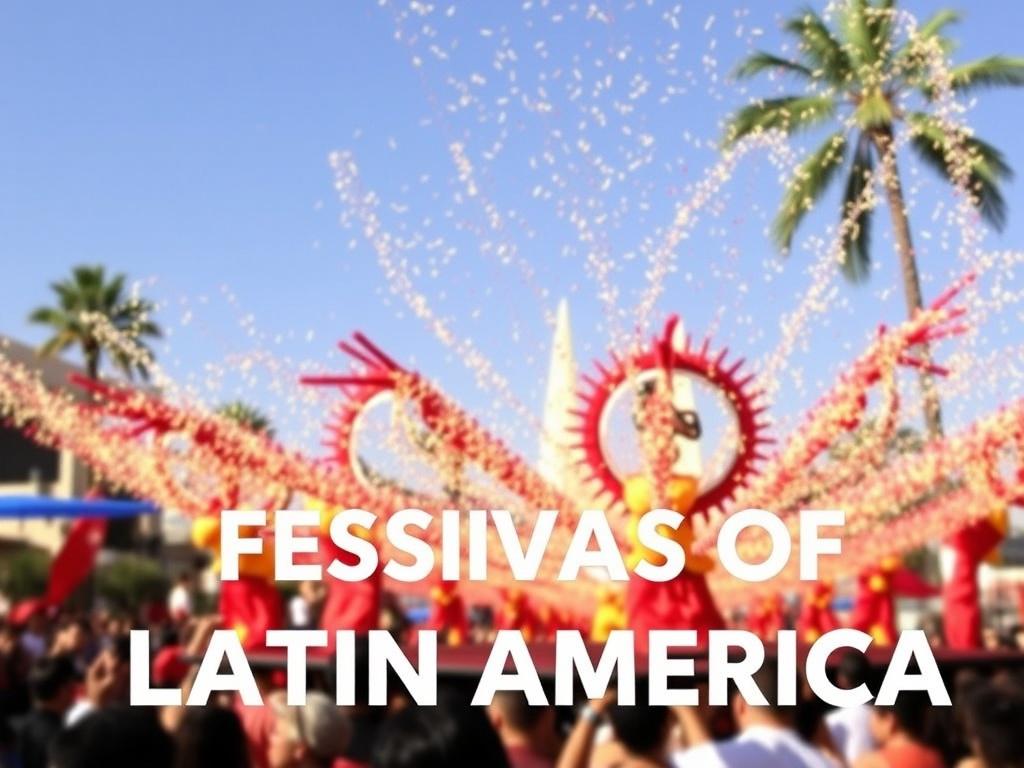
Festivals are magnetic for photographers, but capturing respectful and meaningful images takes thought. Consider these rules of thumb when photographing ceremonies and people.
- Always ask permission when possible. A nod or a smile can go a long way; a quick “¿Puedo tomar una foto?” (Spanish) or “¿Puedo tomar una foto de usted?” shows respect.
- Be aware of restricted areas—processions and religious ceremonies sometimes have zones off-limits to the public.
- Use a zoom lens to photograph sensitive moments from a distance rather than invading personal space.
- Offer printed photos when possible—many locals appreciate receiving a physical image taken of them or their group.
How Festivals Impact Local Communities
Festivals are important economic drivers. They support artisans, performers, vendors, and tourism businesses, and they often help preserve cultural practices that might otherwise fade. However, the influx of visitors can create tensions—rising prices, crowded public spaces, and environmental strain. Sustainable festival tourism aims to balance visitor enjoyment with local needs, ensuring that celebrations remain authentic and beneficial to communities.
If you care about positive impact, choose locally owned accommodations, hire local guides, purchase crafts directly from artisans, and follow festival rules designed to protect heritage sites and neighborhoods.
Lesser-Known Gems Worth the Journey
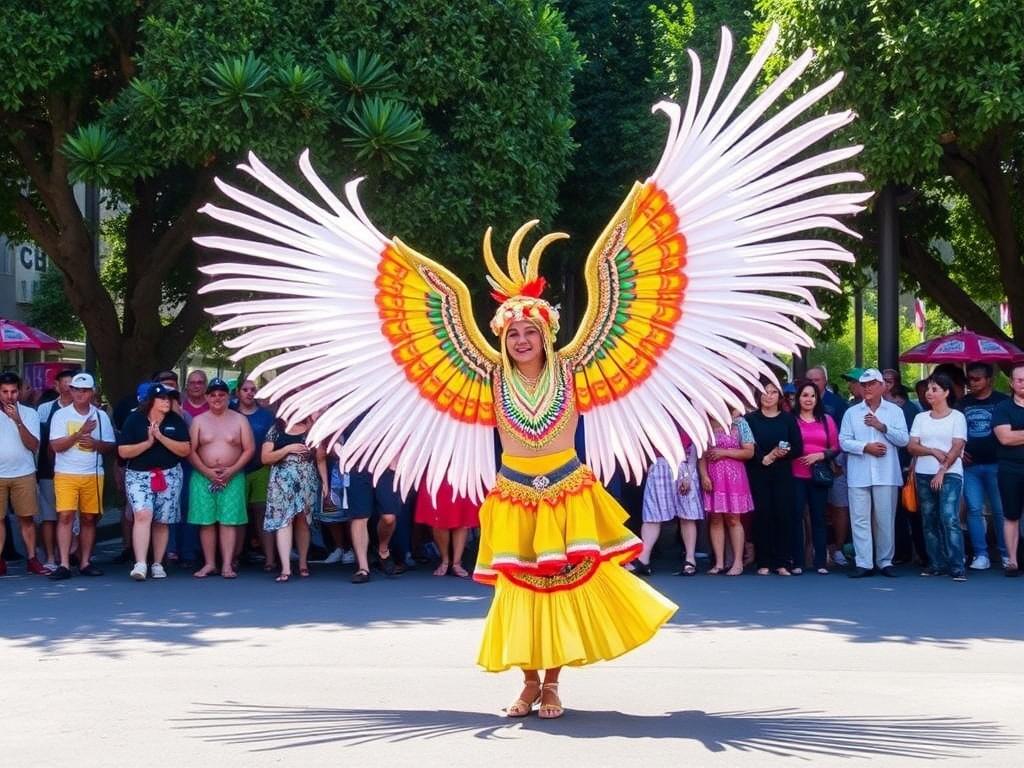
Beyond the headline festivals are countless local celebrations that are intimate, authentic, and often less expensive to attend. These smaller events offer meaningful cultural experiences without the crowds.
- Festival of San Juan (Amazon regions): river blessings, traditional music, and community gatherings tied to river life.
- Fiesta de la Tirana (northern Chile): a mix of Andean and Catholic devotion with vibrant dance traditions.
- Patio Tololo (small Ecuadorian town festivals): folk dances, regional foods, and community parades.
- Local harvest festivals in rural Argentina and Uruguay: traditional gaucho competitions, asados, and music.
Accessibility and Family-Friendly Options
Not all festival sites are accessible, especially in historic centers with cobblestones and narrow streets. Many large festivals now offer accommodations for people with disabilities—designated viewing areas, accessible restrooms, and assistance services—so inquire ahead. Traveling with children? Opt for daytime parades and family-friendly events, pack ear protection for loud music, and plan rest times to avoid overstimulation.
Budgeting for Festival Travel
Festivals can be expensive, particularly in big cities during peak times. To make your trip more affordable:
- Book flights and hotels early—sometimes months in advance—when festivals are announced.
- Consider staying in nearby towns and using public transport to reach festival venues.
- Eat like a local—street food is often both delicious and inexpensive.
- Join free public events and watch parades from sidewalks rather than purchasing premium seats.
Planning Your Festival Itinerary
Start with the festival’s official website or local tourism board to get dates and ticket information. Consider adding a few buffer days to your trip to account for weather or unexpected delays. When mapping out your festival itinerary, include:
- One or two major events you’re determined to attend (book in advance).
- Time for local exploration—markets, museums, and neighborhood walks.
- Rest days, especially if events are intense or you’ll be traveling between high and low altitudes.
Sample 10-Day Festival-Forward Itinerary (Example)
This sample plan assumes you want to experience a major festival and explore nearby cultural highlights.
- Day 1: Arrive and acclimatize; light city walk and market visit.
- Day 2: Guided historical tour and local food tasting.
- Day 3: Festival opening events; enjoy smaller parades or rehearsals.
- Day 4: Main festival day—parade seating or enrolled event.
- Day 5: Rest and small-town excursion to nearby artisan village.
- Day 6: Satellite festival events—concerts or dance showcases.
- Day 7: Day trip to a cultural site (ruins, colonial town, vineyards).
- Day 8: Attend a community-led ceremony; visit a family-run kitchen or workshop.
- Day 9: Free day for shopping and last festival moments.
- Day 10: Depart, leaving room for transfer time.
Stories from the Street: Moments You’ll Remember
Travelers often return from festivals with a few memories that never fade: a spontaneous dance with a local at midnight, an elderly artisan explaining the meaning behind a costume, the smell of fried dough at dawn, or a child handing you a flower. These small encounters are the connective tissue of festival travel. They remind us that while festivals can be photographed and scheduled, their true value is the human connection they create.
Ask questions, swap stories, and, when appropriate, step into the circle rather than merely observing. You’ll find that people often welcome genuine interest—and a willingness to learn—more than anything else.
Resources and Final Checklist Before You Go
Before you leave, complete this brief checklist to avoid common pitfalls:
- Confirm festival dates and ticket availability via official sites.
- Notify your bank of travel plans to avoid blocked cards.
- Register with your embassy if recommended, especially for remote festivals.
- Pack photocopies of documents and store digital backups securely.
- Brush up on basic local phrases and cultural norms.
Conclusion
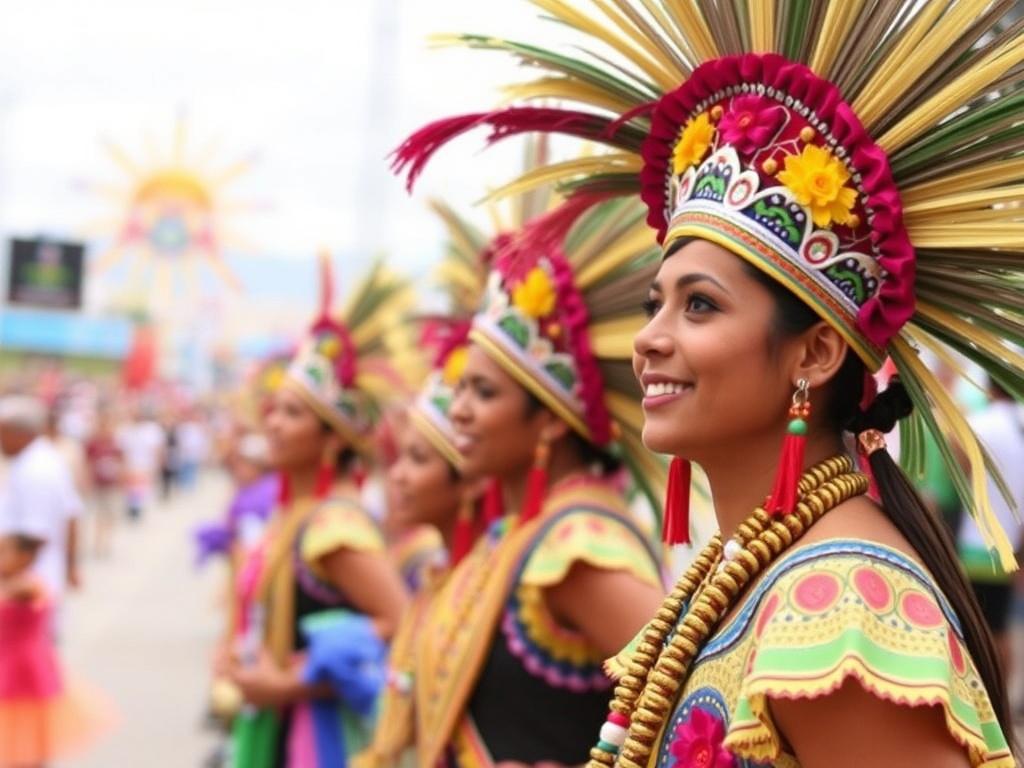
Latin America’s festivals are windows into history, culture, and the simple human joy of coming together. From thunderous Carnaval parades to quiet, candlelit ofrendas, each celebration offers lessons in resilience, creativity, and community. Prepare practically—book ahead, pack smart, and learn a few words of the local language—but also prepare emotionally: bring curiosity, respect, and the willingness to be surprised. Festivals can change the way you see a place, and, quite often, the way you see yourself. So go, celebrate with an open heart, and leave space in your suitcase for memories (and a few hand-made treasures) that last a lifetime.